Will Peter Parker Die in the Next Chapter? The Cost of Losing His Human DNA
His spider-DNA is winning the fight for his body. If that transformation keeps going unchecked past Brand New Day, does Peter Parker have a biological expiration date?
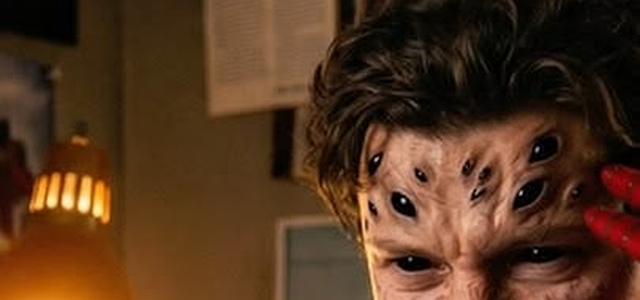
Peter Parker spends the back half of Spider-Man: Brand New Day fighting a war inside his own body, and by the time the credits roll, his side is losing.
Black eyes, blackouts, organic webbing firing straight from his wrist because his mechanical shooters can no longer keep pace with what he's become — his own equipment tells him the truth in plain terms: his spider-DNA is overwhelming his human DNA, and grief is the accelerant.
That is an alarming sentence to put in a Marvel movie, and to its credit, the film never finishes the thought on screen. Nobody in Brand New Day says the word dying. Nobody puts a visible countdown on Peter's humanity. But the film also ends with the DNA problem completely unresolved, which is exactly the kind of loose thread Marvel tends to let a sequel pick up. For the full blow-by-blow of how the story gets there, our complete ending explained recap covers everything that happens on screen. Everything past this point is us extrapolating from what the film establishes — not a leak, not a confirmed plan for a future project.
What the Film Actually Shows, No More and No Less
It helps to separate the diagnosis from the prognosis. Brand New Day is very specific about the diagnosis. After the rooftop encounter that costs him MJ's memory of him a second time, Peter's body starts changing under stress in ways his suit's own sensors flag as a biological event, not a costume malfunction.
- Pitch-black eyes and blackouts that arrive under emotional or physical stress
- Organic webbing shot straight from his wrist, stronger than anything his mechanical shooters produce
- Sensory overload severe enough to disorient him mid-fight
- A predatory rage he has to actively fight to control
- Mechanical gear, including his web-shooters, beginning to reject or malfunction around him
Spider-Man himself frames it as his spider half winning ground his human half used to hold. That's the diagnosis. The prognosis — what happens if nobody intervenes — is left completely open, and that gap is where this whole theory lives.
The Banner Visit Is the Key Scene, and It's Ambiguous on Purpose
Peter's decision to visit Bruce Banner at Empire State University is the film's clearest signal that it wants us thinking about long-term biological cost, not just this week's fight. He isn't looking for a pep talk. He's asking Bruce Banner how the wrist-mounted inhibitor that keeps Hulk contained actually works, because he wants to build his own version for himself.
Brand New Day never says Peter is dying. It says his body is losing an argument it didn't know it was having.
Banner's answer, in short, is don't. He's lived inside a body that fights itself for gamma exposure, and he warns Peter off the exact kind of self-engineered fix Peter goes on to build anyway — a warning the film proves correct almost immediately, when Peter's homemade inhibitor overheats and detonates his own web-shooters in an alley. That scene only works dramatically if the movie believes tampering with this transformation carries real risk. It just never quantifies what that risk is.
The Case for a Ticking Clock
Read the film's own rules literally and the pessimistic case writes itself. Trauma accelerates the DNA shift. Peter has just lost MJ twice, in different ways, in the same year. He ends the film shot through the chest, saved only by Jean Grey's telepathy buying time for his healing factor. If Marvel wanted a reason for the transformation to keep escalating in a sequel, the film has already handed it one, gift-wrapped.
There's also a comics shadow hanging over all of this that longtime readers will recognise immediately: the Man-Spider, a version of Peter Parker whose body completes the transformation into something closer to an actual arachnid than a man in a suit. Our breakdown of the Man-Spider evolution goes deeper on where that comics precedent lines up with what Brand New Day shows, and where it diverges.
- Escalation: each stressful event in the film makes the symptoms worse, not better, with no sign the pattern plateaus
- No fix on screen: Peter's own attempted solution fails and the film doesn't offer a working replacement
- A body that already breaks the rules: he takes a sniper round to the chest and survives on healing factor alone, which only holds if his biology keeps changing
The Case Against It
Here's the honest counter-argument, and it matters more than the doom-laden version. There is no evidence yet that Marvel intends any of this as a mortality clock rather than a power upgrade. Superhero cinema reframes destabilising origin symptoms as final-form strength constantly — Bruce Banner himself is walking, talking proof, having gone from a man who couldn't control the Hulk to Smart Hulk without ever dying along the way.
Peter tearing off his inhibitor in the film's climax reads the same way: not as a man losing himself, but as a man choosing to stop fighting what he is. The strength that follows saves Jean Grey's life and possibly Bill Agent's. Framed that way, the DNA shift isn't a disease. It's an unfinished upgrade the film simply didn't have time to land before the credits, which is a very different story than a countdown to death. Our look at the gamma collision identity theory explores that more optimistic reading in detail, alongside the harder question of how exactly Peter survived that sniper round in the first place.
Reality Check: What's Shown vs. What's Speculation
| Shown in Brand New Day | Pure speculation for a future film |
|---|---|
| Spider-DNA is overwhelming human DNA, confirmed by Peter's own systems | That process is fatal if left unchecked |
| Symptoms escalate under trauma and stress | There is a fixed timeline or countdown to a final collapse |
| Mechanical gear rejects/malfunctions as the change progresses | Peter permanently loses his human identity or memories |
| Peter survives a point-blank sniper round via healing factor | His healing factor will keep scaling to cover any future injury |
| Banner warns against tampering with an inhibitor, and is proven right once | Hulk's inhibitor tech is the actual, intended solution long-term |
That table is the single most important thing on this page. Everything in the left column happened on screen in Brand New Day. Everything in the right column is us reasoning forward from it, and none of it is confirmed by Marvel, Sony, or anyone attached to the production.
Where Doomsday Fits, and Where It Doesn't
The post-credits scene — Ned's Spider-Tracker app locking onto Spider-Man's usual Queens route, then the signal shooting straight past the atmosphere — is timed to land right before Avengers: Doomsday closes out the year on 18 December 2026. It's tempting to read that as the DNA storyline's next chapter.
There's a real complication worth naming honestly: Tom Holland is not among the roughly thirty names on the announced Doomsday cast. That doesn't rule out a surprise appearance — Marvel has kept bigger secrets than that, and Sadie Sink's own Jean Grey casting only leaked days before release via a red-carpet slip. But it does mean nobody should treat a Doomsday appearance, let alone a DNA-collapse subplot inside it, as settled fact. It's a genuine open question, not a confirmed crossover.
The honest summary is this: Brand New Day plants a genuinely unsettling biological premise and refuses to resolve it. That's good storytelling craft, not a confirmed death sentence. Whether Peter Parker is racing toward losing himself entirely is a question the film is content to leave open — which is precisely why it's worth asking, as long as everyone's clear that's all we're doing.
Frequently asked
Does Spider-Man: Brand New Day confirm Peter Parker is dying?
What causes Peter Parker's transformation in Brand New Day?
Why did Peter Parker visit Bruce Banner in Brand New Day?
Is Peter Parker becoming the Man-Spider from the comics?
Will Peter Parker appear in Avengers: Doomsday?
How did Peter Parker survive being shot by Frank Castle?
Characters in this story
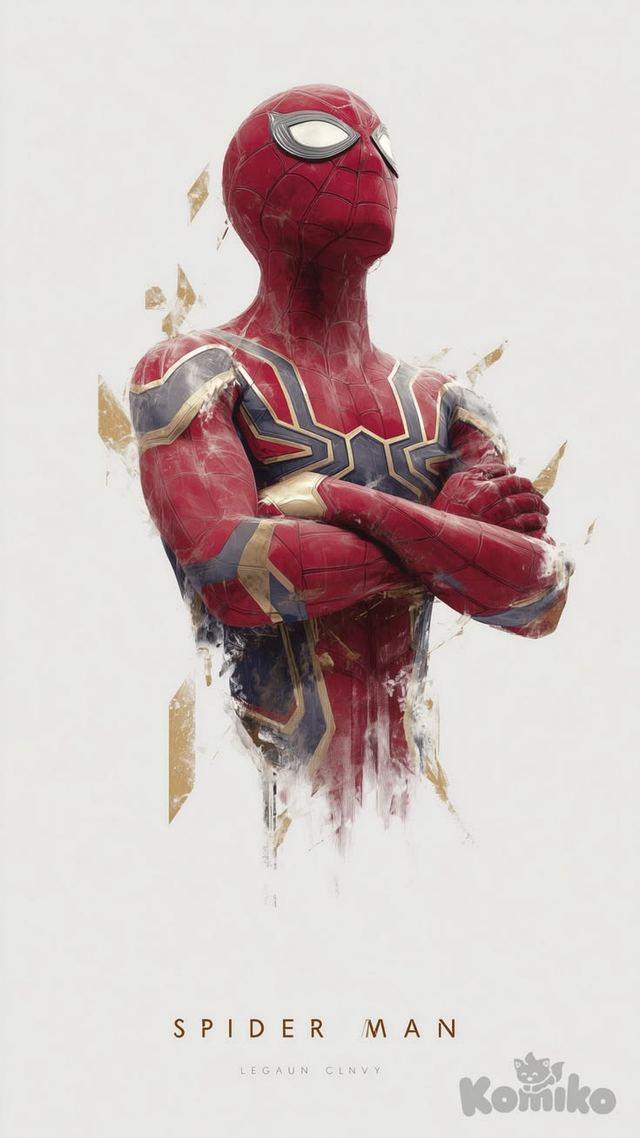
Spider-Man
Peter Benjamin Parker
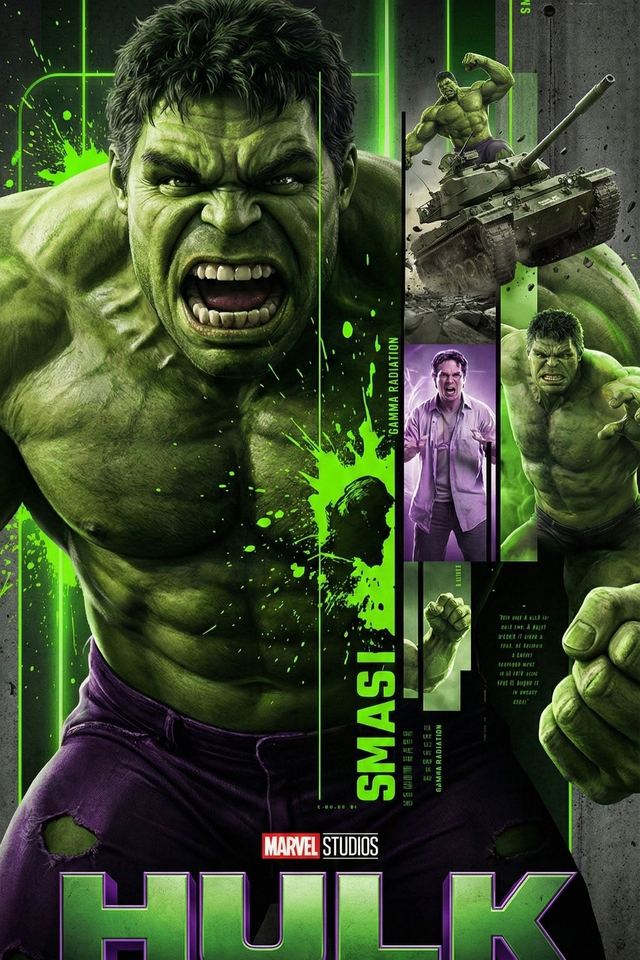
Hulk
Robert Bruce Banner
Catching up on the MCU? See where this fits on our full timeline.
Read next
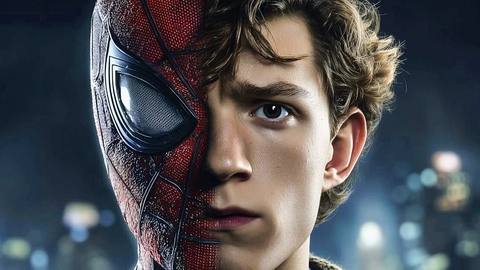
Spider-Man: Brand New Day — Full Ending Explained (Major Spoilers)
Spider-Man: Brand New Day is finally in theaters, and the twist ending is a big one. Here's every beat explained…
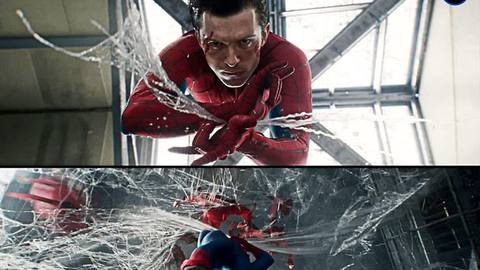
Man-Spider Evolved: The Terrifying Science Behind Peter's Black Eyes & Organic Webs
Grief cracked Peter's DNA wide open. Here's the science, the comics precedent, and why his own web-shooters turned…
Did Peter Parker Actually Survive the Sniper Shot? His Evolved Biology Explained
Frank Castle's bullet hits Peter square in the chest. Here's the biology behind why Spider-Man walked away instead…