The Reality Stone's Forgotten Flaw: Did Malekith Cause the First Incursion?
Everyone remembers Thor: The Dark World as the MCU's worst film. Nobody clocked that its Convergence might be where the multiverse actually broke.
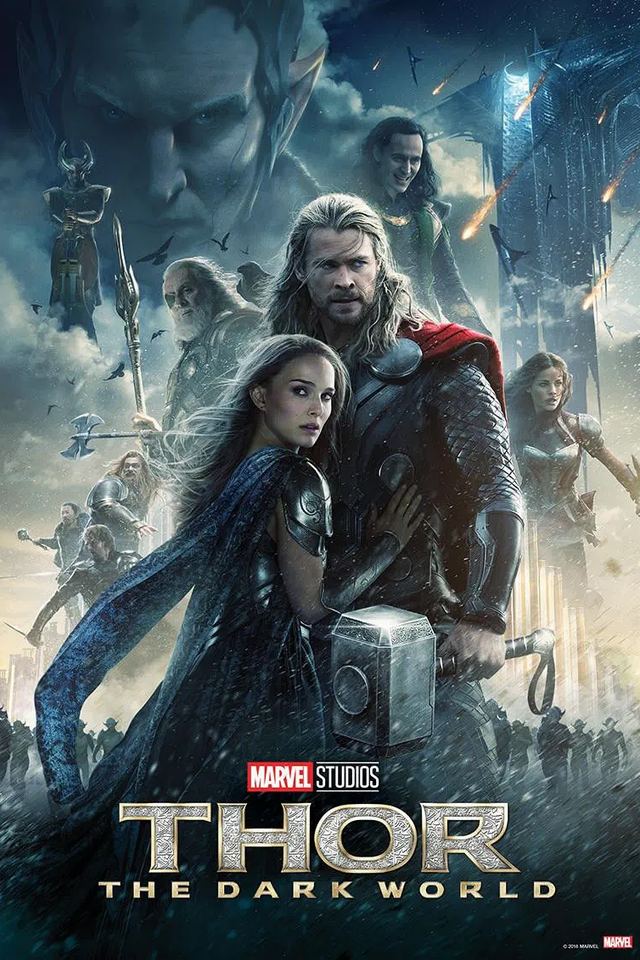
The Reality Stone doesn't get much respect, and neither does the film that introduced it. Thor: The Dark World is the entry MCU ranking lists love to bury near the bottom — remembered mainly for a flat villain named Malekith and a subplot about a glowing red liquid living inside Natalie Portman's bloodstream. But a theory doing the rounds ahead of Avengers: Doomsday asks a sharper question: what if the Convergence Malekith tried to weaponise in 2013 was the first real Incursion in MCU history, cracking the multiverse open years before anyone had a word for it?
Call it the Reality Stone Incursion theory, and understand upfront that it isn't really about the Infinity Stone doing anything special. It's about the event that happened around it. The Convergence temporarily aligned all Nine Realms so tightly that solid matter, vehicles and people started falling between worlds at random — a plot device Dark World mostly played for comic relief. Avengers: Doomsday's own marketing describes heroes converging from three distinct universes. The theory's pitch is simple: Dark World showed audiences, thirteen years early, what it looks like when the walls between worlds stop holding.
Worth saying plainly before going any further: nobody at Marvel Studios has connected Thor: The Dark World to Doomsday, on the record or off it. This is fans reading backwards from a two-line logline, the way fans always do with this franchise. But it's a better reading than Dark World usually gets credit for, and it only works if you go back and watch the Convergence sequence closely instead of remembering it as the film's weakest stretch.
What Thor: The Dark World Actually Set Up
Jane Foster, the Aether, and a 5,000-Year-Old Warning
The plot mechanics are worth a quick refresher. Jane Foster stumbles into a pocket of realigned space in an abandoned London facility and is infected by the Aether — a sentient, liquid form of the Reality Stone capable of converting matter into dark energy. It isn't a new discovery.
Bor, Odin's father, sealed the Aether away five thousand years earlier after defeating Malekith and the Dark Elves at the last full Convergence. That detail is easy to skate past on a first watch, but it means the MCU established, in only its ninth film, that this exact event had already gone catastrophically wrong once before and needed to be actively contained by force.
The Convergence, Malekith, and a Plan Bigger Than Asgard
Thor: The Dark World's Convergence is a once-every-five-millennia alignment of the Nine Realms, and Malekith's plan is to detonate the Aether at its exact peak. His stated goal isn't conquest. He wants to return the universe to the darkness that existed before creation itself — language the film treats as villain flavour text, but which, taken literally, is a plan operating on a cosmic register rather than a regional one.
Thor and Loki end up forced into an uneasy alliance to stop him, fleeing to Svartalfheim after Malekith's assault on Asgard kills Frigga, extracting the Aether from Jane mid-flight, and faking Loki's death to buy an opening. The final battle relocates to Greenwich, established in the film as one of Earth's strongest Convergence points, where the realignment is at its most violent.
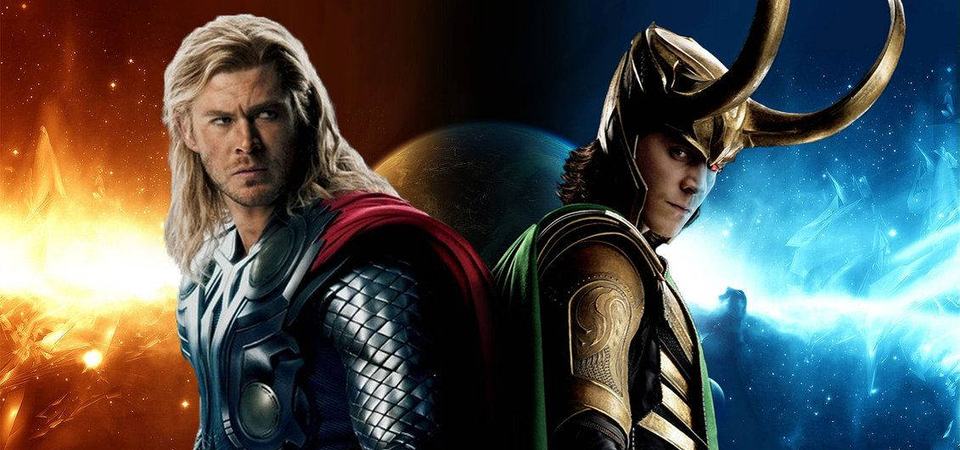
The Reality Stone Incursion Theory, Explained
Realms Aren't Officially Universes — That's the Weak Joint
Here's the honest complication, and it's worth sitting with before going further. In Marvel cosmology, the Nine Realms are traditionally branches of one structure, Yggdrasil the World Tree, not nine separate universes in the parallel-Earths sense Loki later introduced. A Convergence realigning Asgard, Midgard and Svartalfheim isn't, strictly, the same category of event as two universes physically colliding.
Doomsday's logline about heroes from three distinct universes almost certainly means something closer to that second definition — full, separate realities touching, the thing comics call an Incursion, and which this site's own breakdown of the Incursion plot leak treats as the likely mechanism. Dark World never claims to be that. This is the gap the theory has to talk its way across.
What the Convergence Actually Proved
The theory's case is that the taxonomy matters less than the mechanism. Whatever you call the Nine Realms, the Convergence demonstrated, on screen and repeatedly, that the MCU's version of reality has a structural failure point. Walls that are supposed to keep separate places separate went thin enough for a London bus, a golf ball, and eventually Malekith himself to end up somewhere they shouldn't be.
Malekith didn't cause that instability; he found it and pushed an Infinity Stone's power through it on purpose. That's functionally close enough to how later multiversal collapse tends to get described — pressure applied to a boundary until it gives — that the theory reads Dark World as the MCU's proof of concept, years before anyone had a word like Incursion to put on it.
- Bor seals the Aether after the last full Convergence, five thousand years earlier — implying even one previous alignment needed forceful, active containment, not just time passing.
- The 2013 Convergence realigns the Nine Realms precisely enough that solid matter, including buses, people and a golf ball, passes between them at random.
- Malekith weaponises the Aether at the Convergence's peak, deliberately amplifying a natural alignment with Infinity Stone-level energy.
- Thor's team defeats Malekith mid-Convergence by using the destabilised boundaries as a weapon, flinging him between realms, rather than by sealing them shut.
- The Convergence ends on its natural schedule, and no MCU project since has revisited whether Malekith's amplification left anything behind.
Why Dark World Rewards a Rewatch Before Doomsday
The Greenwich Battle Reads Differently With This Theory in Mind
Judged as a Thor movie, the Greenwich finale is chaotic in the bad sense — a sprawling brawl interrupted by sight gags about a double-decker bus phasing through a wall. Judged as a document of the MCU's dimensional plumbing failing in real time, it's one of the more purposeful action sequences Marvel Studios had made by that point. Every gag is doing structural work: things exist somewhere they shouldn't, then don't, then do again, and the film never fully explains the rules, because reality, at that specific moment, doesn't have any.
What to Actually Watch For
- How many separate realms visibly bleed into Greenwich within a few minutes of screen time — it's more than the film gets credit for.
- Erik Selvig's chalk-and-string diagrams mapping the Convergence, which play like an early, unfunded attempt to chart something closer to a multiverse than a solar system.
- The way Malekith gets displaced between locations mid-fight — an object existing somewhere categorically different, not just somewhere else in the same city.
- Odin's throne-room warning about the Convergence's danger, delivered with the exact gravity later Marvel projects reserve for multiversal collapse.
Malekith, Reconsidered
Malekith gets dismissed as one of the MCU's flattest villains, and the performance doesn't do Christopher Eccleston many favours. But recast him as the first character in this franchise to try to force open the space between worlds, rather than just invade the one next door, and the flatness reads less like a writing failure and more like an idea the film had no framework for yet. Nobody in 2013 was building toward a multiverse. Malekith just happened to be the villain standing in the room when the MCU accidentally rehearsed one.
The Honest Problem With This Theory
The Aether Was Extracted, Not Left Open
This is where the theory has to be graded on a curve. Thor: The Dark World doesn't end on an unresolved wound. Malekith is dead, crushed under his own warship.
The Aether is extracted from Jane, and in the film's final scene, Sif and Volstagg hand it over to Taneleer Tivan, the Collector, for safekeeping, specifically because Asgard already holds the Tesseract and storing two Infinity Stones in one vault was considered too dangerous. The Convergence itself ends on schedule. Every piece of this story gets tidied away by the credits.
Nothing Since Has Treated the Convergence as Ongoing
More damaging to the theory: no MCU project in the thirteen years since has treated the 2013 Convergence as a structural problem still working itself out. Every later multiversal crisis gets its own, separate origin — a variant Loki derailing the Sacred Timeline, He Who Remains' death fracturing it into branches, the TVA's pruning policy, or whatever mechanism Doctor Doom is running in Doomsday itself, up to and including the kind of full reality-merge described in Battleworld merge leak theories. Nobody has ever gone back and said the crack started in Greenwich. That silence is either proof the theory is wrong, or proof nobody's had a reason to say it out loud yet, and the thirteen years of MCU chronology between the two films currently supports the first reading a lot more than the second.
| What's actually confirmed | What's theory / unconfirmed |
|---|---|
| Avengers: Doomsday's logline describes heroes from three distinct universes. | That collision is being called an Incursion by fans and leak-tier reporting — Marvel hasn't used the word. |
| The 2013 Convergence aligned the Nine Realms and caused matter to pass between them at random. | The Convergence is the event that first cracked the barrier between separate universes, not just realms. |
| The Aether was extracted from Jane Foster on Svartalfheim and given to the Collector for safekeeping. | That extraction, or the Collector's vault, is why the crack was never fully sealed. |
| Chris Hemsworth is confirmed to return as Thor in Doomsday. | Thor personally remembers or references the Convergence as the Incursion's origin in the new film. |
| Thor: The Dark World is widely ranked among the weakest MCU films by critics and fan polls. | That weak reputation is exactly why its multiversal foreshadowing has gone unnoticed until now. |
What This Would Mean for Doomsday's Three Universes
A Cheap, Elegant Retcon — If Waldron Wants One
If Michael Waldron's script wanted a piece of connective tissue explaining why this specific multiversal collision is happening now, Dark World is sitting right there, mostly unused. It already has an Infinity Stone tied to reality's fabric, a villain who tried to exploit a rare alignment, and a founding myth about a previous catastrophic attempt five thousand years prior. Retroactively naming the Convergence as the first crack wouldn't require reshoots or new lore, just one line of dialogue from a returning character.
Thor is confirmed for Doomsday. He was standing in Greenwich when this allegedly started.
Or It Stays Exactly What It's Always Been: A Rewatch, Not a Reveal
The more likely outcome is that Doomsday's three-universe collision has nothing to do with 2013 London and gets its own explanation entirely, something closer to the dimensional-anchor mechanics floated in theories about Doctor Doom's own tech. Robert Downey Jr.'s Doom, per the case for his version of the character, doesn't need a thirteen-year-old assist from Malekith to justify tearing a hole in reality.
Every Convergence in Thor lore gets described the same way: the walls between worlds go thin enough to walk through. Doomsday's plot, on paper, is what happens when they don't thicken back up again.
None of that makes the theory true. It makes Dark World worth another ninety minutes before December, watched less as a Thor movie and more as the MCU's first, clumsiest attempt at describing a problem it wouldn't have language for until years later. Whether that character even gets to comment on it is its own open question — the leaks around Loki's own ending suggest he might not be around to. And for a sense of how far Asgardian-scale power was ever going to stretch against whatever Doom is bringing to December, the power-scaling comparison is worth reading next.
Frequently asked
What is the Reality Stone Incursion theory?
Did Marvel confirm that Thor: The Dark World is connected to Avengers: Doomsday?
What is the Convergence in Thor: The Dark World?
What happened to the Reality Stone after Thor: The Dark World?
Is Avengers: Doomsday's plot an Incursion?
Is Thor: The Dark World worth rewatching before Avengers: Doomsday?
Characters in this story
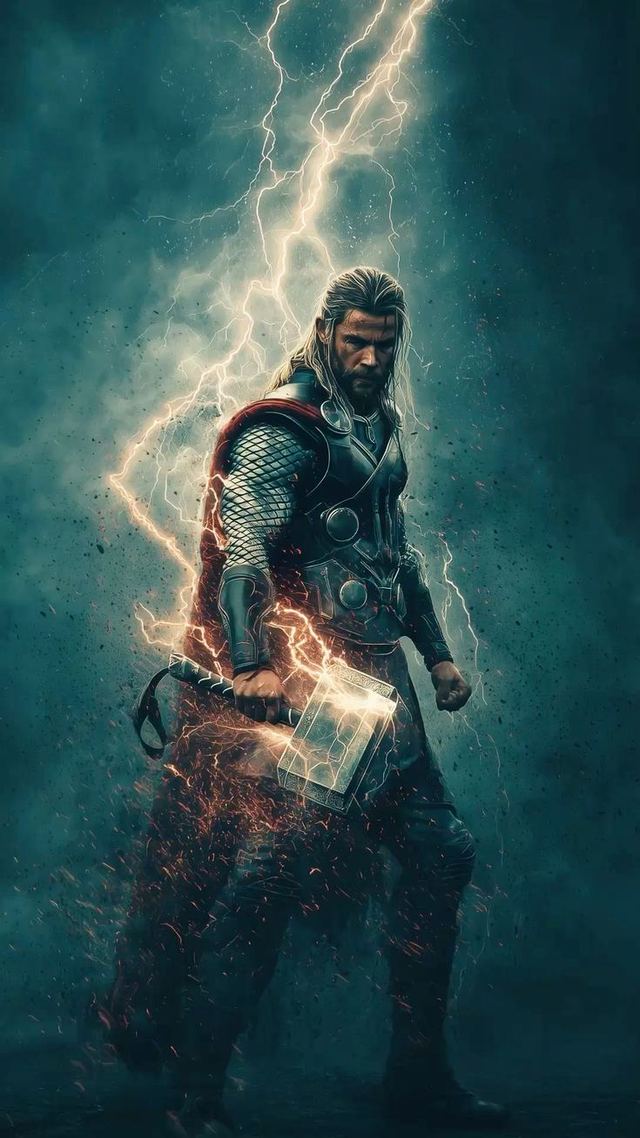
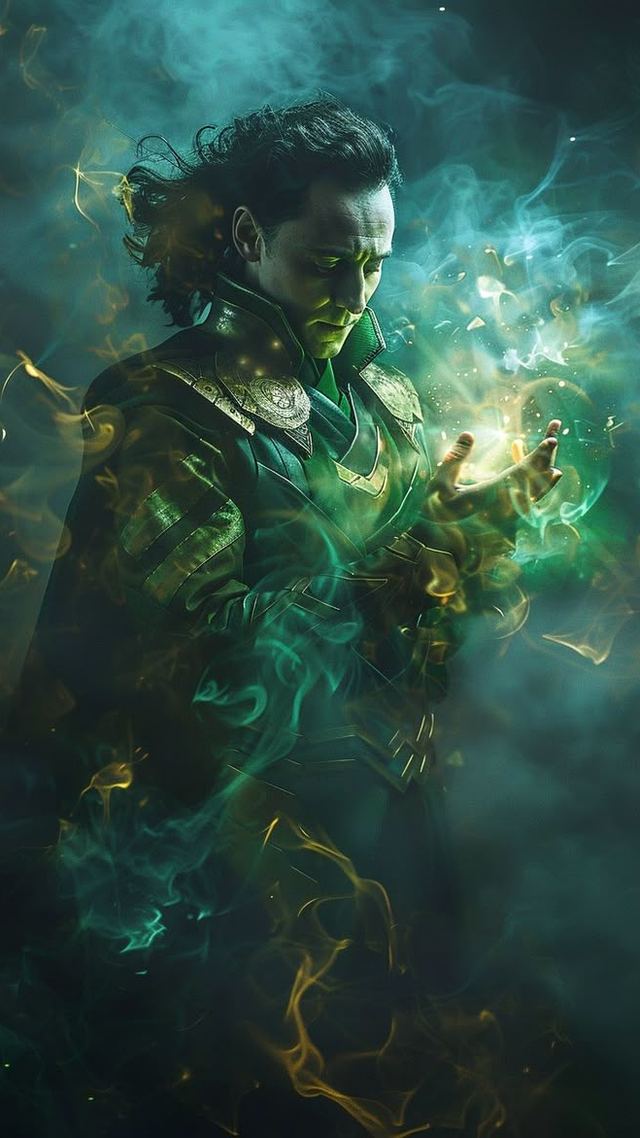
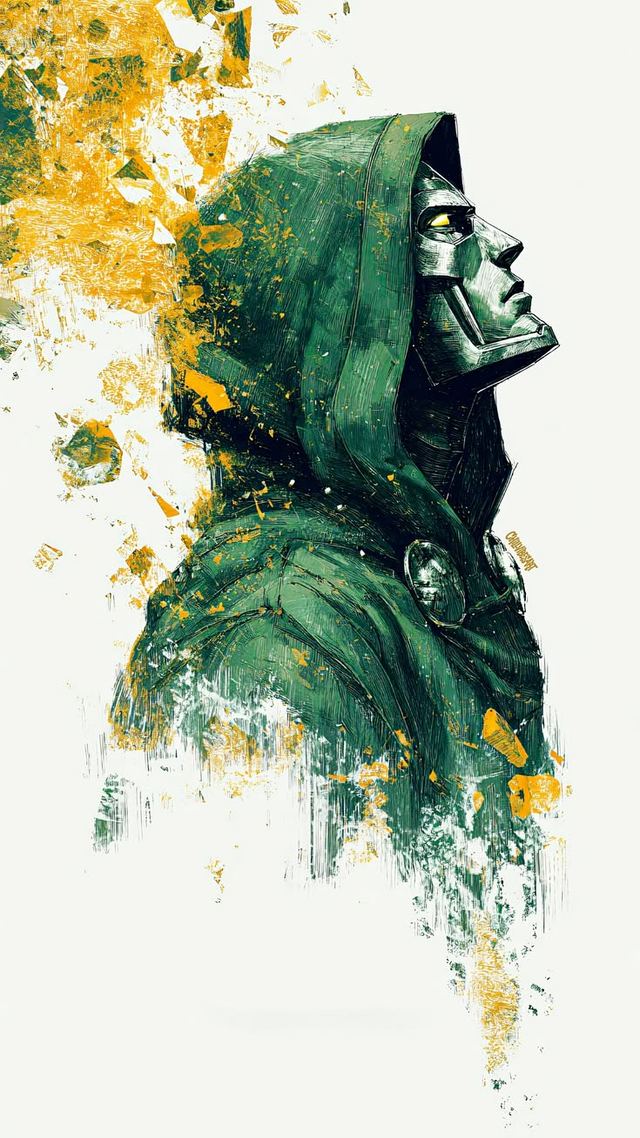
Catching up on the MCU? See where this fits on our full timeline.
Read next
Does Doctor Doom Actually Cause the Incursions in Avengers: Doomsday? The Leak, Explained
A detailed leaked document, endorsed on air by a critic with a real track record on this film, claims incursions…
How Does Doom Actually Build Battleworld? Two Leaks Give Two Different Answers
Every leak agrees Doom ends up ruling Battleworld. They don't agree on how he builds it — one describes colliding…
Why RDJ's Doctor Doom Needs to Acknowledge Tony Stark's Legacy
Every Doctor Doom fan theory traces back to one cave in Afghanistan. Here's why RDJ's version of the villain might…