Will Asgardian Magic be the Only Thing That Can Pierce Doom's Armor?
Doom's armour has shrugged off bullets, blasts, and Reed Richards for six decades. Comics precedent says enchanted weapons are an entirely different story.
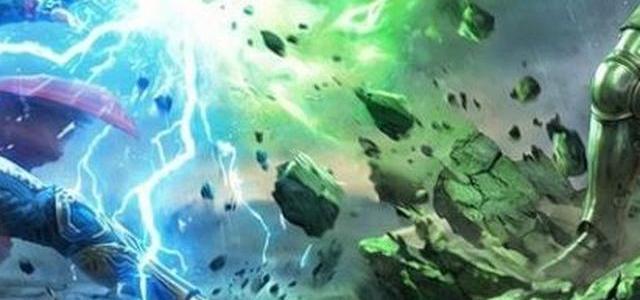
Thor vs Doctor Doom power scaling might be the single nerdiest question hanging over Avengers: Doomsday, and Marvel has done nothing to answer it. Pair a god of thunder against a man in a suit of armour and on paper it sounds lopsided — for the tech guy. Doctor Doom has out-manoeuvred Reed Richards for six decades of comics, traded blows with the entire Fantastic Four roster, and generally treated genius-level intellect as a personality trait rather than a superpower. But readers who've followed Victor von Doom through his Marvel Comics history know something the trailers haven't shown yet: his armour has a very specific blind spot, and it isn't a bigger repulsor.
The theory, as fans have pieced it together across forums and comics deep-dives, goes like this. Doom's force-fields and plate armour in the source material are engineered primarily against physical and energy-based attacks: repulsor blasts, bullets, conventional super-strength, the sort of thing Tony Stark or Sue Storm might throw at him. What they're not built to fully cover is genuine mystical force, because Doom's own power is a hybrid of stolen science and dark sorcery, and no hybrid system covers every angle equally. If MCU's Doom is built the same way, Thor's Asgardian-enchanted weapon — Mjolnir historically, Stormbreaker now — becomes one of the few tools in the entire ensemble reliably able to leave a mark, while Iron Man-style tech might just skid off the metal.
Worth saying plainly before we go further: none of this is confirmed. There's no leaked script page describing a Thor-Doom fight, no official synopsis mentioning one, nothing from Anthony and Joe Russo or writer Michael Waldron. This is a comics-informed argument built entirely on the premise of 'if the film plays by the rules already established,' and as you'll see below, the biggest hole in the theory is that MCU's Doom has never actually shown his powers on screen at all.
Doom's Armour, By the Numbers We Actually Have
What's Actually Confirmed
Avengers: Doomsday arrives 18 December 2026, directed by Anthony and Joe Russo from a script by Michael Waldron. Robert Downey Jr. is confirmed as Doctor Doom, a genuine swerve after a decade as Tony Stark, and the official logline promises heroes pulled from 'three distinct universes.' The confirmed cast list runs to roughly thirty names, including Chris Hemsworth as Thor, Chris Evans in an unspecified role, Pedro Pascal, Vanessa Kirby, and a small army of Thunderbolts, X-Men, and Fantastic Four faces. That's the whole of what Marvel Studios has actually said.
What's Still Guesswork
Everything past that list — who fights whom, what Doom's armour can and can't shrug off, whether there's a Thor-Doom confrontation at all — is fan reconstruction. Doom hasn't appeared in the MCU in armour yet, in any confirmed footage. We don't know if Downey's version keeps the classic Latverian sorcerer-engineer background, leans harder into tech, or reinvents the power set entirely. Exactly where Doom's introduction lands on the MCU timeline — before, after, or entirely outside Tony Stark's death — only adds to the uncertainty.
The Comics Case for a Magical Blind Spot
Science Plus Sorcery, Not Science Alone
In the comics, Victor von Doom is not just an armoured genius. He's the sorcerer-king of Latveria, self-taught in the same disciplines that eventually make Doctor Strange his rival, and his armour reflects that split identity: plating and force-generators built with stolen Reed Richards-tier technology, then reinforced with spellwork Doom picked up from Tibetan monks and demonic pacts along the way. That hybrid is exactly why the armour holds up against so many different threats. It's also, per decades of stories, why it's not uniformly good against everything.
Where the Armour Has Struggled Before
Comics writers have leaned on this gap for years. Doom's shielding reliably no-sells bullets, repulsor fire, and brute-force hits, but genuine sorcery — the kind wielded by Doctor Strange, Scarlet Witch, or a weapon with real mystical pedigree — has gotten through in places where tech-based attacks bounced straight off. It's not an absolute rule, and Doom has out-thought plenty of magic users through sheer preparation. But as a recurring pattern, it's consistent enough that fans reconstructing an MCU version keep landing on the same conclusion: hit him with an enchanted hammer, not a bigger blaster.
| Attack type | Comics-precedent effectiveness vs Doom | MCU equivalent |
|---|---|---|
| Repulsor blasts, conventional tech | Often absorbed or deflected | Stark-style repulsors, Chitauri-derived weapons |
| Bullets, kinetic force | Armour rated to resist | Conventional weapons, blunt-force hits |
| Enchanted or mystical weapons | Historically one of Doom's rarer weaknesses | Mjolnir (legacy), Stormbreaker |
| High-level sorcery (Strange/Wanda tier) | Contested, Doom is a trained sorcerer himself | Not yet depicted on screen |
Thor vs Doctor Doom Power Scaling: What the On-Screen Feats Say
Mjolnir's Receipts
Start with what's actually on screen. Thor's track record with enchanted weaponry is the entire basis for this argument, and the MCU has given us plenty of it across four solo films and several team-ups.
- Summoning storm-scale lightning directly through Mjolnir against Ultron's forces
- Losing the hammer entirely in Thor: Ragnarok and discovering the power was his, not the metal's
- Wielding Stormbreaker, an axe built specifically to be capable of killing Thanos, through Infinity War and Endgame
- Generating a full 'god of thunder' lightning storm in Ragnarok's climax, large enough to level a battlefield
None of that is Doom-specific. Marvel has never put these two characters in the same scene, let alone a fight. But it establishes the toolkit fans are scaling against: an Asgardian who's demonstrated god-tier lightning output, wielding a legacy of enchanted weapons that keep getting more powerful, not less.
Stormbreaker Changes the Maths
Stormbreaker matters more than Mjolnir here, and it's worth being specific about why. It was forged in a dying star with the explicit purpose of being lethal to Thanos — not just powerful, but built with intent against a nearly unkillable target. If Doomsday's writers are borrowing the comics' magic-versus-machinery framing, an axe with that pedigree is a far stronger candidate for cracking Doom's armour than another round of Stark-style repulsor fire, which is simply more of the exact kind of force the armour is already designed to eat.
Why Thor: Ragnarok Is the Rewatch That Actually Matters Here
The Clearest Look at Full-Power Thor
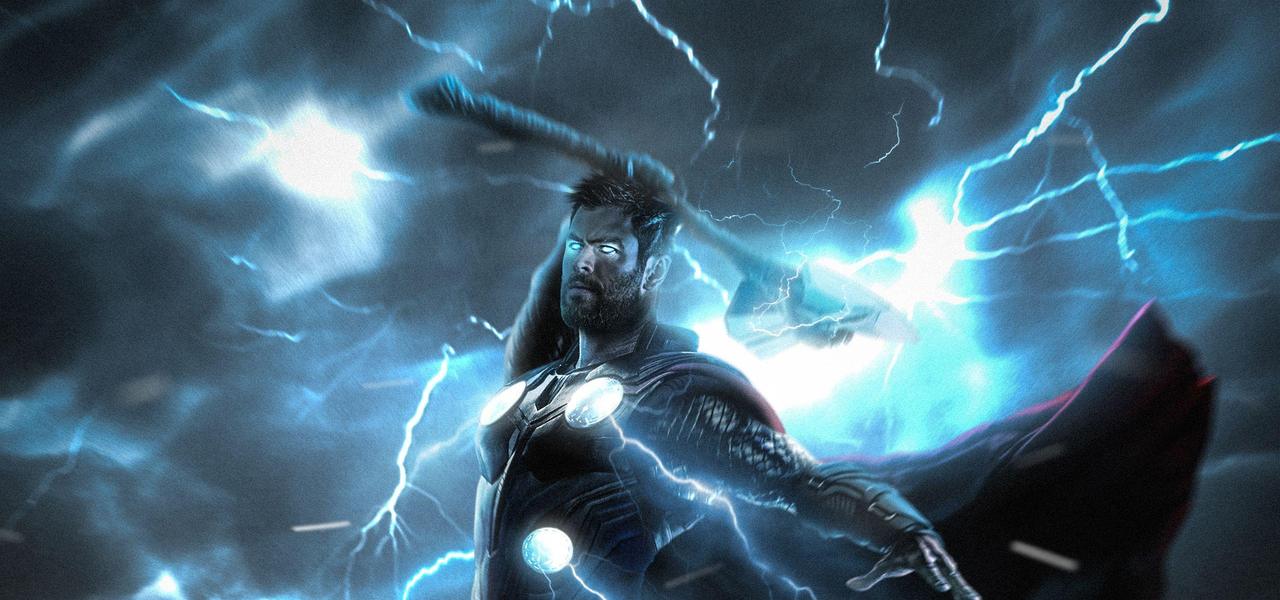
If you're trying to judge whether Thor could plausibly go toe-to-toe with an armoured tactician like Doom, Thor: Ragnarok is the film worth putting back on before opening night. It's the only MCU entry that spends real screen time on Thor operating at what looks like full output, not a quick assist, not a team-up cameo, but an extended sequence of him channelling storm-scale lightning with nothing holding him back.
Worthy Without the Hammer
The film's other trick is arguably more relevant to a Doom fight than the lightning itself: it establishes that Thor's power was never fully dependent on Mjolnir. He becomes worthy again mid-battle with the hammer gone, which matters for power-scaling because it separates Thor's raw output from any single enchanted object. The catch, for this specific theory, is that raw output isn't the same as magical penetration — the argument for hurting Doom rests on the weapon's enchantment, not just Thor hitting hard. Ragnarok is still the best evidence available for how far 'hitting hard' actually goes, which is the whole ballgame for Thor vs Doctor Doom power scaling once Doomsday actually arrives.
Where the Theory Falls Apart
Doom's MCU Powers Are Still a Blank Page
The single biggest problem with this argument is one flagged at the top, and it bears repeating: Doctor Doom has never worn the armour on screen. We don't know if Downey's Doom keeps the comics' sorcerer-engineer split, whether the MCU version leans entirely technological, or whether 'three distinct universes' means this Doom runs on rules none of the comics ever used. Power-scaling arguments about a character nobody's seen fight are, by definition, placeholders.
Tech Might Not Be as Useless as the Theory Assumes
It's also worth resisting the urge to treat this as a clean binary. Plenty of comics stories have Doom taking real damage from sufficiently advanced technology, and the MCU's tech-based heroes have a habit of finding workarounds: enchanted or exotic-alloy gear, borrowed Asgardian tech, whatever the script needs that week. The 'only magic works' version of this theory is the fun version. The more honest version is: magic probably has better odds, and nobody's shown their homework yet.
If Doom's power really is half stolen science and half old sorcery, then a weapon forged in a dying star and blessed by Asgardian enchantment isn't just a hammer he hasn't met yet — it's the one category of attack his armour was never built to fully answer.
How This Fits the Wider Doomsday Puzzle
This particular Thor vs Doctor Doom power scaling theory isn't the only one circling Doomsday, and it's worth reading alongside the others rather than in isolation. Three broad ways this could actually go:
- Doom's armour turns out to be exactly as magic-vulnerable as the comics suggest, and Stormbreaker becomes a genuine equaliser.
- Doom's MCU power set is reinvented for the film, more tech, less sorcery, and the whole magic-weapon theory becomes moot.
- The film never puts Thor and Doom in the same fight at all, and this comparison stays purely theoretical.
The Tony Stark legacy angle asks a related question from the tech side: whether Downey's Doom retains any trace of Stark's engineering instincts, and what that would mean for how his armour behaves against former teammates. The Doctor Doom erasure debate digs into the stranger question of what casting Downey as Doom does to Tony Stark's legacy within the timeline itself.
If Doom's defences really do have a mystical soft spot, it also feeds the bigger structural theories about how Doomsday resolves. The Battleworld merge theories and the film's own 'three distinct universes' logline both point toward reality-warping stakes that plain force-fields shouldn't survive alone. The Chitauri-tech dimensional anchor theory makes something close to the opposite case — that Doom's real power in this film is borrowed alien technology, not sorcery at all — which is exactly the counter-argument worth sitting with before committing to the magic-hammer read. And if enchanted weapons are back in play, Steve Rogers' own history of lifting Mjolnir is a reminder that Thor might not be the only Avenger capable of landing a magical hit.
None of these theories cancel each other out — Doomsday could easily use tech, magic, and dimensional trickery in the same battle. But if you're placing bets on what actually punches through Doom's armour, the Reality Stone incursion theory is a useful reminder that MCU magic has broken far sturdier things than a suit of armour before.
Frequently asked
Is Thor confirmed to fight Doctor Doom in Avengers: Doomsday?
Why would Thor's weapon hurt Doctor Doom if Iron Man's tech can't?
Does Thor use Mjolnir or Stormbreaker in the MCU now?
Has Doctor Doom's power set been shown on screen in the MCU?
Should I rewatch Thor: Ragnarok before Avengers: Doomsday?
What is Doctor Doom's biggest weakness in the Marvel comics?
Characters in this story
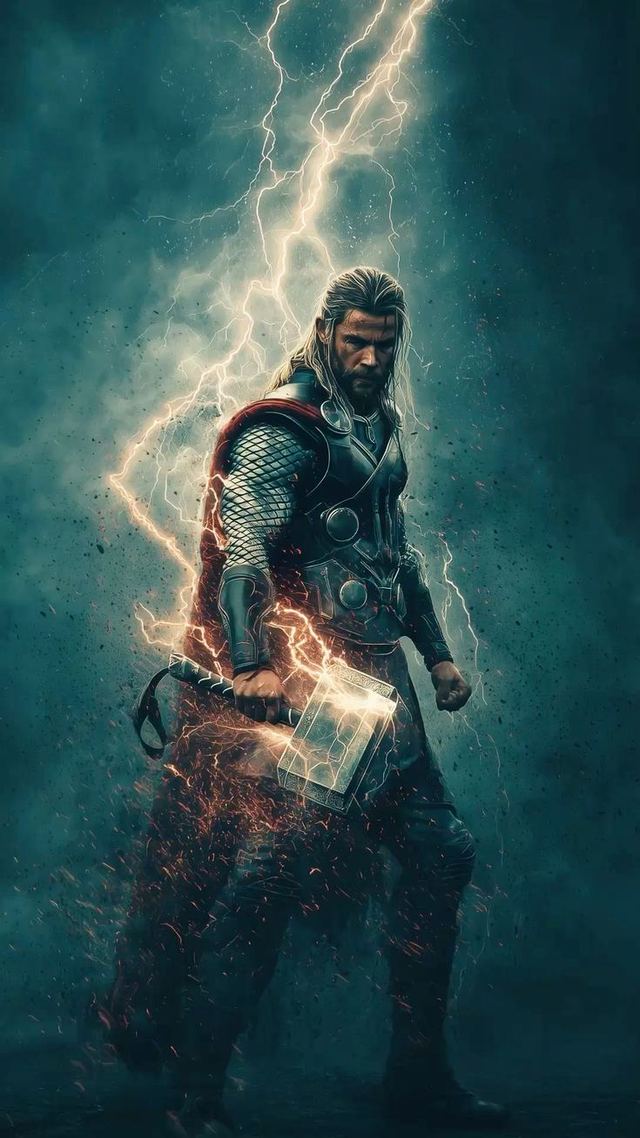
Thor
Thor Odinson
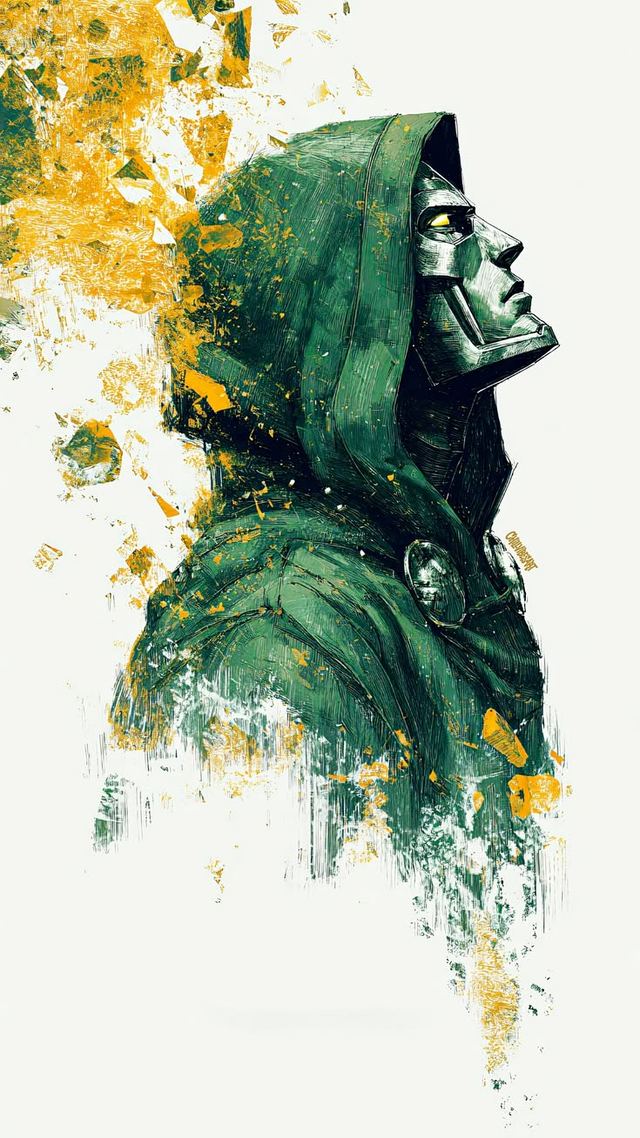
Doctor Doom
Victor von Doom
Catching up on the MCU? See where this fits on our full timeline.
Read next

Is RDJ's Doctor Doom Erasing Victor Von Doom's Romani Roots? The Backlash, Examined
RDJ's casting is confirmed and, by now, old news. What's still actively being argued is narrower and sharper: does…
Steve Rogers Wields Mjölnir Again in Doomsday — But Leaks Didn't Agree on That Until the Footage Landed
CinemaCon footage settled a question leaks had actively disagreed on for weeks: who picks up Mjölnir against Doom…
How Does Doom Actually Build Battleworld? Two Leaks Give Two Different Answers
Every leak agrees Doom ends up ruling Battleworld. They don't agree on how he builds it — one describes colliding…