The Inhibitor Dilemma: Can Peter Parker Ever Turn Off His Spider-Gene Again?
Peter built his own Hulk-style inhibitor by studying Bruce Banner's tech. Here's exactly why it failed, and why he may never suppress this again.
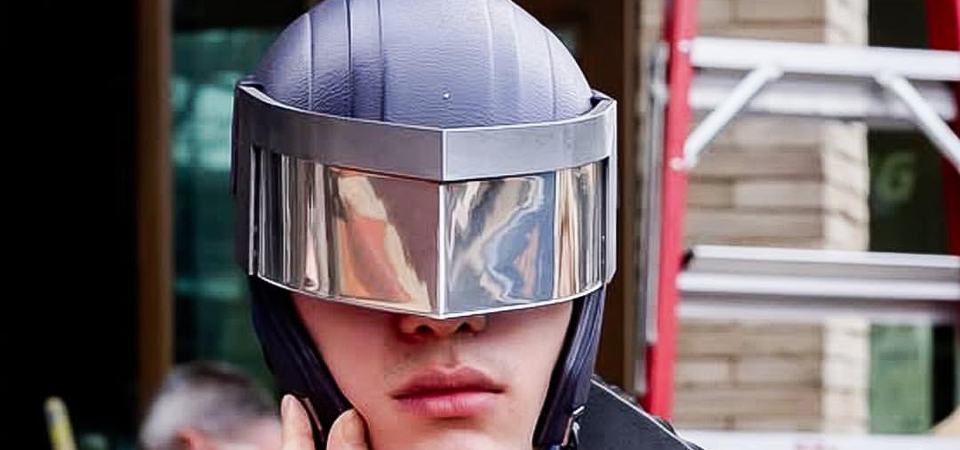
Peter Parker's biggest mistake in Brand New Day wasn't a punch he threw or a villain he underestimated. It was a soldering iron.
Somewhere between watching MJ kiss another man and blacking out mid-swing with organic webbing bursting from his wrist, Peter decided he could engineer his way out of his own biology. He went to Bruce Banner for a look at the wrist-mounted inhibitor that keeps the Hulk contained, took careful mental notes, and built his own version in what looks like a single sleepless night. If you haven't caught the full sequence of events yet, our full ending explained recap walks through the entire film beat by beat.
The device worked for exactly as long as it took the entity possessing a random passerby to say Peter's name out loud. Then it cooked itself. Here's the actual engineering problem underneath that scene, and why the film is right to leave the question in its title genuinely unanswered.
Banner's Inhibitor Was Never Built for This
Start with what Banner's device actually does. Since Endgame, Bruce Banner has lived as a merged, cognitively stable Hulk — the smart version, not the rampaging one. His inhibitor tech, refined over years with the full resources of a super-soldier-adjacent research program behind it, doesn't suppress the Hulk. It regulates the handoff between Bruce and Hulk, damping the adrenal-gamma feedback loop that used to trigger uncontrolled transformations. It's a mature, tested, calibrated system built around one specific, well-documented biology that Banner has been studying in himself for over a decade.
Peter's biology is not that. Spider-DNA doesn't run on gamma radiation or rage-triggered adrenaline spikes in the way Banner's does — it's a slower, creeping genetic override, described in the film as Peter's spider physiology gradually overwriting his human baseline, accelerated by trauma and grief rather than anger alone. Borrowing a rage-suppression architecture and pointing it at an identity-level genetic transformation is a bit like retuning a pacemaker to treat a broken bone. The hardware category is adjacent. The actual problem it needs to solve is not.
The Alley Malfunction: What Actually Went Wrong
When Peter's homemade inhibitor finally fails, it doesn't fail quietly. It overheats and detonates his web-shooters in the alley, at the exact moment the entity speaks through a bystander to reveal it already knows where he lives and who MJ is to him. The timing sells it as psychological — Peter's panic spiking the moment he realises he's been made — but the film also plants a small, very specific technical detail worth noting.
- Signal overload: a homemade rig trying to read and dampen a live nervous-system feedback loop it wasn't designed for, forced to work in real time under acute stress.
- Electromagnetic interference: MJ's glasses, sitting close enough to Peter's gauntlet during the confrontation, throw off the device's already-fragile sensor calibration.
- Material mismatch: Banner's containment tech is built around gamma-adjacent biology; grafting it onto organic webbing and spider-strength systems it was never calibrated for invites exactly this kind of short.
- No fail-safe: Peter built this alone, without Banner's oversight or a controlled test environment, so there's no graceful shutdown when it goes wrong — just detonation.
None of these are the single cause on their own. Together, they're enough to turn a jury-rigged prototype into a device that explodes on first real-world contact with the thing it was meant to control.
| Banner's Inhibitor | Peter's Homemade Device | |
|---|---|---|
| Origin | Years of controlled, Banner-led research | Built solo, reverse-engineered from a single visit |
| Biology it targets | Gamma-adrenal feedback loop | Spider-DNA genetic override (untested) |
| Testing | Extensively calibrated on one known subject | Zero field tests before first use |
| Failure mode | Gradual, monitored recalibration | Sudden overheat and detonation |
| Outcome in the film | Still functioning, later loses control separately | Destroyed permanently in the alley |
Tearing It Off: The Permanent Cost
The inhibitor gets one more moment in the film, and it's the one that matters most. Cornered by Hand operatives and an out-of-control Hulk with Jean Grey's power tearing through him, Peter makes the opposite choice from the alley: instead of trying to suppress the transformation, he rips the device off entirely and lets it finish.
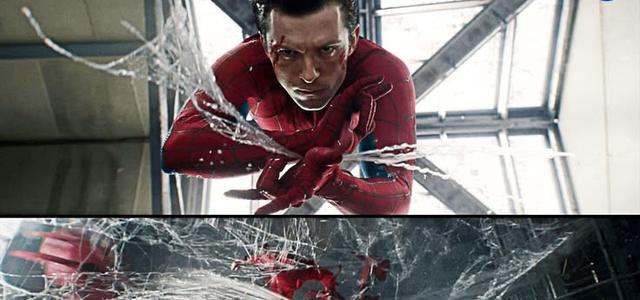
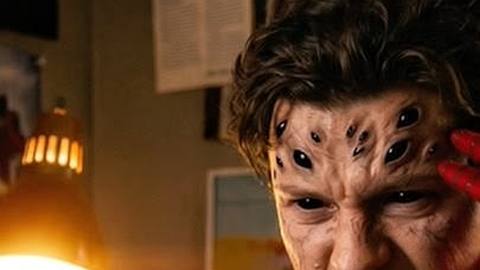
What follows is staged as a release, not a breakdown — steel-shredding strength, senses sharp enough to track everything happening around him, and a web-nest large enough to drop every attacker in seconds. It's also how Peter survives Frank Castle's bullet minutes later, with his own newly accelerated healing factor doing as much work as Jean's telepathy. For a full breakdown of what the transformation itself actually looks like on screen, our piece on the Man-Spider transformation covers the black eyes, the blackouts, and the organic webbing in detail.
But the film is careful not to frame this as a clean win. There's no scene where Peter builds a version 2.0. No moment where Banner hands him a fix. The credits roll with the inhibitor gone, discarded in a fight, and nothing built to replace it.
So Can Peter Ever Turn It Off Again?
Banner warned him not to tamper with his own biology. He was right, and the film never pretends otherwise.
This is the honest answer, and it's worth saying plainly rather than dressing it up: Brand New Day does not resolve this. It's not a cliffhanger with an obvious next step telegraphed for a sequel, and it's not a tidy ending where Peter learns to live with it. It's a genuinely open question the movie leaves sitting there on purpose.
What we do know is that the mutation is one-directional so far — every scene tracks Peter's spider-DNA gaining ground, never losing it. Whether a working suppression device is even possible for this specific biology, whether Banner could build one with more time and better data, or whether Peter's physiology has already moved past the point where inhibition is on the table at all, is left completely open. Our theory on whether this arachnid DNA could eventually kill him digs into the darker end of that uncertainty, and it's worth reading if the ending left you unsettled rather than reassured.
That ambiguity is very likely the point. A hero who can no longer switch himself off, with the one man who might help him understand it having explicitly warned him against the attempt, is a far more interesting problem for a sequel than a clean fix would have been. For more on how that mentor relationship might develop from here, see our piece on Banner's role as an unlikely mentor going forward.
Frequently asked
Why did Peter Parker's inhibitor device fail in Brand New Day?
Is Peter Parker's inhibitor the same as Bruce Banner's?
Does Peter Parker get a working inhibitor by the end of the movie?
What role does MJ's glasses play in the inhibitor malfunction?
Will Peter Parker be able to control his powers in a sequel?
What happens to Peter's inhibitor during the final fight?
Characters in this story

Spider-Man
Peter Benjamin Parker
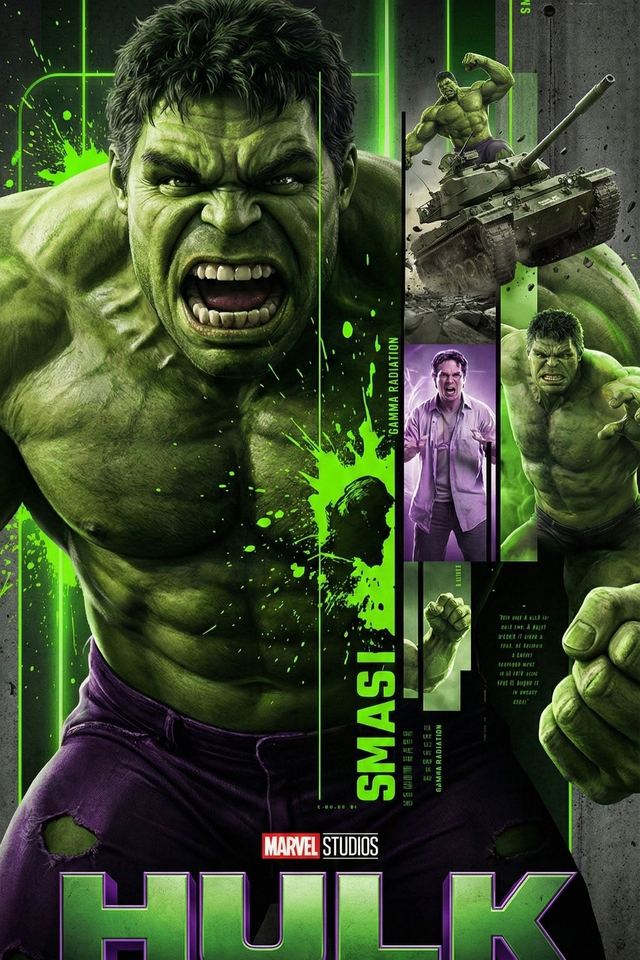
Hulk
Robert Bruce Banner
Catching up on the MCU? See where this fits on our full timeline.
Read next

Spider-Man: Brand New Day — Full Ending Explained (Major Spoilers)
Spider-Man: Brand New Day is finally in theaters, and the twist ending is a big one. Here's every beat explained…
Man-Spider Evolved: The Terrifying Science Behind Peter's Black Eyes & Organic Webs
Grief cracked Peter's DNA wide open. Here's the science, the comics precedent, and why his own web-shooters turned…
Will Peter Parker Die in the Next Chapter? The Cost of Losing His Human DNA
His spider-DNA is winning the fight for his body. If that transformation keeps going unchecked past Brand New Day…