The Extremis Virus: Doom's Secret Weapon for Incursion Survival
Iron Man 3's most dangerous virus never really left the MCU. Here's the fan case for why Extremis might be the only thing holding Doctor Doom's armour shut.
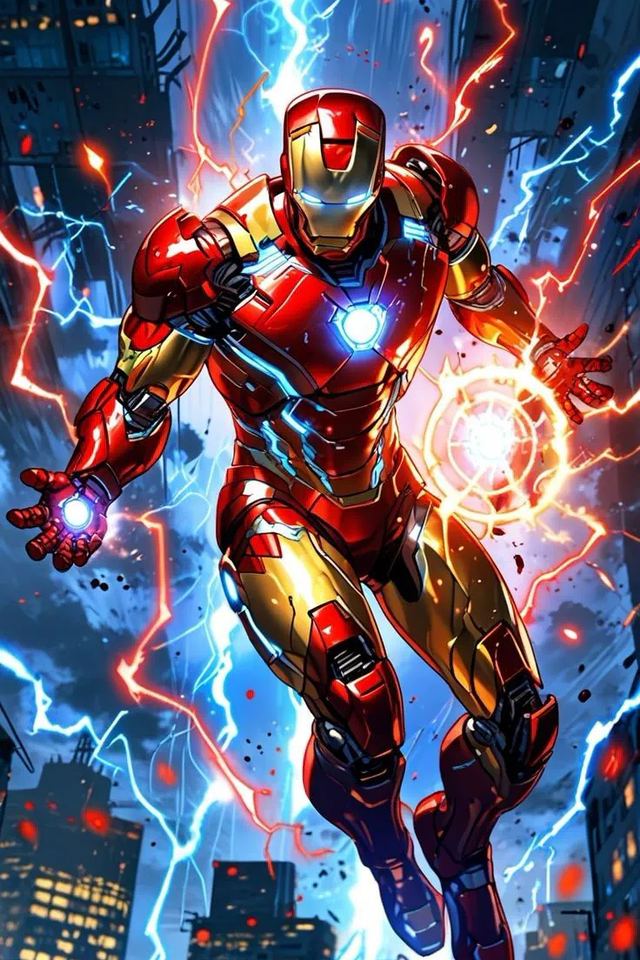
Extremis has been sitting in the back of the MCU's toolbox since 2013, mentioned in passing once or twice since but never fully unpacked on screen. Iron Man 3 introduced it as a regenerative virus that could rebuild a shattered body or turn that body into a bomb, depending on how the dose went, and then the franchise largely moved on. Thirteen years later, with Robert Downey Jr. returning not as Tony Stark but as a mask-welded Doctor Doom, an Extremis Doctor Doom theory has started circulating among fans trying to explain why this particular Doom apparently never takes his armour off.
The theory, in short: if this Doom is some kind of incursion-damaged variant — battered by the collapse of another universe rather than born whole in this one — then Extremis is the one piece of applied science already sitting on the MCU timeline, years before anyone on screen had heard the word 'incursion,' that could plausibly keep a badly wounded man alive inside a suit of armour. It's a neat idea. It's also, and this needs saying up front, entirely unconfirmed. No trailer, cast interview or synopsis has linked Killian's old virus to Avengers: Doomsday or to Doom in any way. This is comics logic and a rewatch of Iron Man 3, stitched together by fans — including us.
Here's how the theory works, what Iron Man 3 actually shows about Extremis, and exactly where the evidence runs out.
What Extremis Actually Does To A Human Body
Before getting to Doom, it's worth being precise about what Extremis actually does, because Iron Man 3 is oddly specific about its mechanics for a film mostly remembered for exploding action figures and a fake Mandarin twist. Extremis is a biotech virus — part genetic reprogramming, part nanotech — designed by scientist Maya Hansen to trigger the same regenerative process that lets a lizard regrow a limb, aimed at a human body instead. In a stable dose, it heals catastrophic injury: burns, missing limbs, scar tissue, gone. In an unstable dose, the same override that regenerates tissue also cranks the host's internal temperature up until they overheat — and some hosts don't heal. They detonate.
Killian's Soldiers: A Miracle Cure With A Kill Switch
Aldrich Killian weaponised Hansen's research through his own organisation, recruiting wounded veterans and volunteers desperate enough to risk what came after a bad dose. The film shows the failure mode more than once — a valet at Grauman's Chinese Theatre with a molten, weaponised arm; test subjects who run hot until they burn out from the inside during the Miami mansion assault. Extremis, as Iron Man 3 depicts it, isn't a simple power-up. It's a bet: the body wins by regenerating, or it loses by exploding, and the film doesn't flinch from showing either outcome.
Pepper Potts: Saved By The Same Virus That Nearly Killed Her
The clearest case study is Pepper. Killian injects her with Extremis as leverage against Tony, and for a stretch of the third act she's stronger, hotter and considerably harder to kill than anyone expects — which is exactly what gets her through the mansion collapse and the fight that follows. Tony later stabilises her version of the virus and, per his own closing narration, uses a version of the same technology on himself to have the shrapnel and the arc reactor taken out of his chest for good. Extremis doesn't just wound and heal in Iron Man 3. It gets refined, dosed twice more, and quietly folded into two of the MCU's most important bodies before the credits roll.
- Regenerates catastrophic tissue damage — burns, missing limbs, deep scarring — almost on command
- Spikes the host's body temperature high enough to glow, vent heat and, in unstable cases, ignite
- Fails unpredictably in some hosts, causing the explosive 'meltdown' moments that run through the film's back half
- Can be recalibrated and re-dosed — Tony refines Killian's formula enough to stabilise it a second time
- Leaves a visible mark on hosts under stress: glowing veins, heat shimmer, cracked and lit-up skin
Comics Doom Never Takes The Mask Off — Here's Why
None of this has anything to do with Doctor Doom yet, which is the point — Extremis was built as an Iron Man story, not a Fantastic Four one. To see why fans are welding the two together, you have to go back to Victor von Doom's comic-book origin, which the MCU hasn't confirmed it will use but which is famous enough that most audiences half-know it already.
A Scar He Gave Himself
In most comic versions, Victor is a brilliant, arrogant scientist who builds a machine to contact his dead mother across dimensions. It backfires badly and scars his face. In his panic and pride, he forges an iron mask before the metal has properly cooled and puts it on anyway, searing the damage in rather than covering it up. It's an origin about ego as much as tragedy — the man who could have waited for the mask to cool chose not to, and has been paying for it in every issue since.
The Armour As A Second Skin
Whatever the exact scarring in a given version, the throughline across decades of comics stays consistent: the armour isn't a costume Doom takes off at the end of the day. It functions closer to a second skin, a life-support shell as much as a weapon, worn by a man whose actual face has become something he can't show — or, in some tellings, can't survive without covering. That's what makes Doom's mask different from, say, Iron Man's, which Tony has spent three films happily climbing in and out of. Doom's armour has never worked that way.
The Extremis Doctor Doom Theory, Piece By Piece
Put those two ideas next to each other and the fan theory basically writes itself. The idea of a Doom healing armour has been floating around fan forums since the casting news broke; it only recently got specific enough to have a shape. If Avengers: Doomsday's version of Doom carries comics-accurate scarring — or worse, damage from surviving the collapse of an entire universe — then he needs more than a costume. He needs whatever's under the costume to keep functioning. And the one piece of MCU technology already established to do exactly that, on screen, is sitting right there in Iron Man 3.
- A version of Doom arrives already damaged — the leading theory ties this to incursion collapse, though that link is itself unconfirmed.
- Comics logic says a body in that state can't survive open air, let alone combat, without something holding it together.
- Extremis is the only MCU technology already shown regenerating catastrophic damage while being worn continuously rather than administered once.
- An unstable dose would explain armour that glows, vents or malfunctions under stress, rather than damage that's simply cosmetic.
An Incursion-Damaged Variant
This half of the theory leans on reporting around the Incursion leaks rather than on Extremis specifically — the idea that Doom's introduction is tied to universes colliding and dying, and that this Victor von Doom could have been caught in that collapse rather than created by a lab accident at all. If that's the shape of his backstory, 'disfigured by an experiment' becomes 'disfigured by watching a universe end,' which is a bigger, stranger wound than anything a single accident produces — and arguably one that needs more than a costume to patch over.
Grafted Tech, Not Comic-Book Magic
This is where Extremis becomes useful as connective tissue rather than mysticism. In the comics, Tony eventually stops building separate suits altogether and wears armour that lives under his own skin — nanotech stored in his bones and summoned through his pores, a design most fans know as the Bleeding Edge armour. Iron Man 3 gestures toward the same idea decades earlier without ever using the word 'Extremis' to describe it: the Mark 42's Clean Slate protocol has individual pieces of the suit flying across a room and locking onto Tony's body on command, blurring the line between wearing armour and being armour for the first time on screen. A Doom whose suit is grafted to a barely-surviving body, rather than strapped onto a healthy one, would be borrowing that same idea — suit and skin as one system, not two.
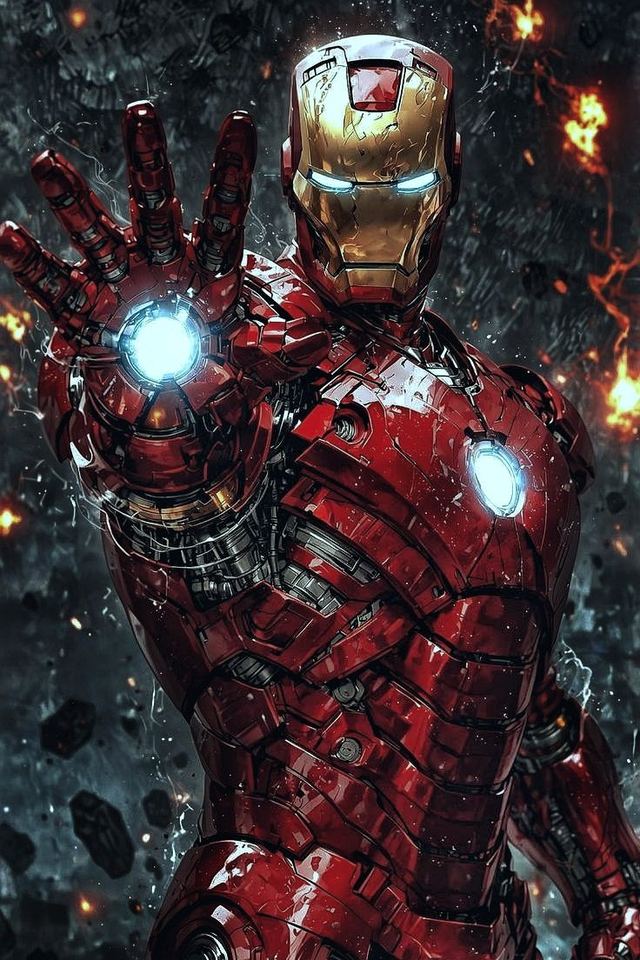
Doom doesn't take the mask off because, in this theory, Doom can't take the mask off. That's the whole idea in one sentence — and nobody involved in Avengers: Doomsday has said a word to confirm it.
What's Confirmed, What's Theory
It's worth stepping back here, because a chain of 'well, in the comics' and 'this would explain' can start sounding like reporting if you're not careful. It isn't. Here's the split, as plainly as we can put it.
| Subject | What Extremis Did | On-Screen Outcome |
|---|---|---|
| AIM test subjects | Rapid tissue regeneration paired with runaway body heat | Unstable dosing caused several to overheat and detonate |
| Aldrich Killian | Self-administered a stabilised dose | Gained molten-skin regeneration and super strength; still eventually killed |
| Pepper Potts | Injected by Killian as leverage, later stabilised by Tony | Survived a catastrophic fall; enhanced strength and durability saved her life |
| Tony Stark | Used a version of the tech on himself late in the film | Had the shrapnel and arc reactor removed from his chest for good |
Line those four rows up and the theory's appeal makes sense: Extremis is the only technology in the MCU already shown doing something close to what a badly wounded Doom would need. The Iron Man 3 Doom connection, in other words, is real only in the sense that fans built it — not in the sense that anyone at Marvel Studios has confirmed it. That's the entire Extremis Doctor Doom pitch in miniature: a good guess wearing an explanation's clothes.
Why Iron Man 3 Is Worth Rewatching Before Doomsday
Whether or not any of this survives contact with the actual film, Iron Man 3 rewards a closer rewatch than it usually gets. It's remembered as the one with the fake Mandarin twist and the Christmas setting, and both of those arguments are fine ones to have. But the Extremis mechanics are the part worth slowing down for if you're trying to get ahead of Avengers: Doomsday.
The Scene To Pause On
Watch how precisely the film tracks who has a stable dose and who doesn't. The difference between a soldier who regenerates cleanly and one who cooks from the inside isn't random — it's dosage and circumstance, laid out in enough detail that you could sketch the rules on a napkin afterward. That's the detail any Extremis Doctor Doom theory depends on: the film already establishes that this technology fails in specific, visible, sometimes-survivable ways. A body-horror take on Doom would need exactly that kind of failure state to work on screen, and Iron Man 3 has already storyboarded it.
What To Watch For If Doom Glows
If Avengers: Doomsday ever shows Doom's armour venting heat, cracking with light or malfunctioning under stress rather than just looking battle-damaged, that's the moment this theory would go from fan reasoning to something worth revisiting. Nothing in the marketing has shown that so far. But it's the exact visual grammar Iron Man 3 already taught audiences to read, which is a decent part of why the theory keeps finding an audience among people rewatching it now.
Where This Theory Leaves Us
None of this required Marvel to say anything, which is both the appeal of the theory and its problem. Robert Downey Jr.'s own history with Extremis as Tony Stark is part of why the idea lands — the actor spent three films establishing exactly what this technology does before he ever put on Doom's mask. Some fans have separately argued that casting him as Doom instead of bringing back Stark is its own kind of erasure; Extremis becomes, in that reading, one more thread tying the actor's old character to his new one, whether Marvel intended it or not.
It's also just one theory among several trying to explain the same mask. Other fan chains lean on Justin Hammer's old weapons work instead, some go further into Chitauri hardware for the multiversal mechanics, and others skip biotech altogether and argue Doom's power reads closer to Asgardian magic than anything Stark Industries ever built. Like most Extremis Doomsday theory chains, this one is built backward from a mask nobody has actually explained yet. Extremis just happens to require the least invention — it already exists, on screen, doing almost exactly what the theory needs. That's a point in its favour. It isn't evidence.
Frequently asked
Is the Extremis Doctor Doom theory confirmed by Marvel?
What is Extremis in the MCU?
Why does Doctor Doom wear a mask in the comics?
Does Robert Downey Jr. play Tony Stark or Doctor Doom in Avengers: Doomsday?
Is Iron Man 3 worth rewatching before Avengers: Doomsday?
Characters in this story
Iron Man
Anthony Edward Stark
Doctor Doom
Victor von Doom
Catching up on the MCU? See where this fits on our full timeline.
Read next
Does Doctor Doom Actually Cause the Incursions in Avengers: Doomsday? The Leak, Explained
A detailed leaked document, endorsed on air by a critic with a real track record on this film, claims incursions…
Why RDJ's Doctor Doom Needs to Acknowledge Tony Stark's Legacy
Every Doctor Doom fan theory traces back to one cave in Afghanistan. Here's why RDJ's version of the villain might…

Is RDJ's Doctor Doom Erasing Victor Von Doom's Romani Roots? The Backlash, Examined
RDJ's casting is confirmed and, by now, old news. What's still actively being argued is narrower and sharper: does…