The 12 Best Marvel Comic Runs Of All Time, And Where To Start Reading
The runs that changed the medium, judged on influence and on whether they still read well. Includes exactly where to start each one without a wiki tab open.
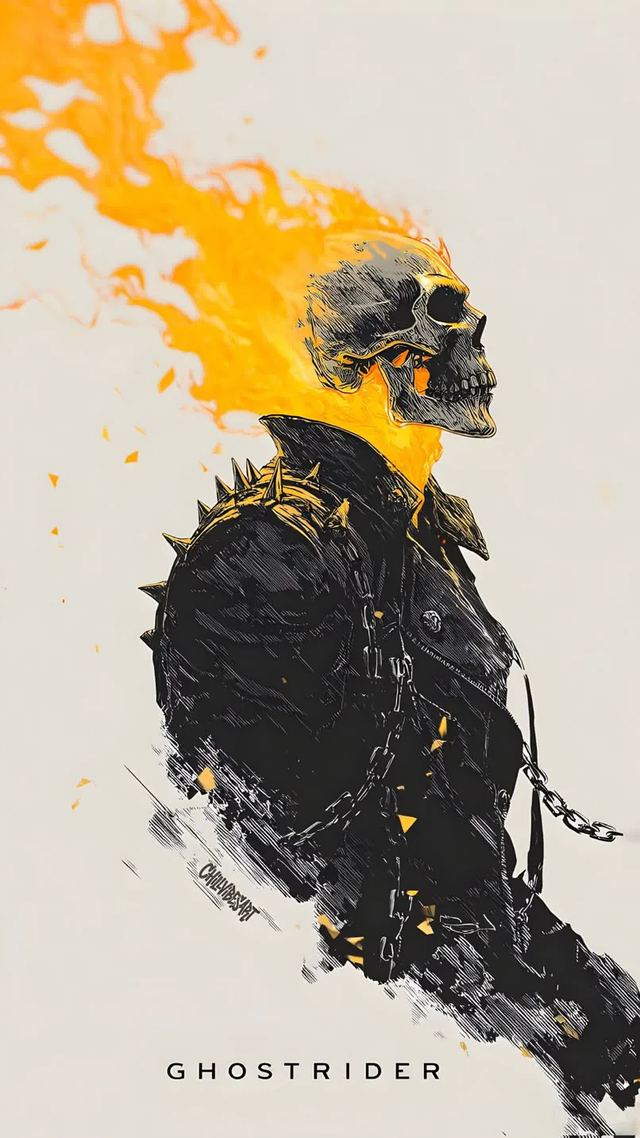
Marvel's film slate is an adaptation of roughly a dozen comic runs, most of them from a forty-year window, and reading them is the single fastest way to understand why the movies make the choices they do.
This ranking judges runs on two axes that pull against each other: how much they changed the medium, and whether they are still enjoyable now. A run that was revolutionary and is unreadable today loses to one that was merely excellent and holds up.
The Criteria
- Influence. How much of what came after is downstream of this? The runs at the top invented conventions the whole industry now uses.
- Readability today. Does it work for a reader picking it up cold in 2026, without decades of context?
- Completeness. Does the run have a shape — a beginning, a thesis and an ending — or does it simply stop?
- Art. Comics are a visual medium and rankings that treat writers as authors and artists as staff are wrong. Every entry here is judged on the whole book.
The Top Four
1. Claremont and Byrne, Uncanny X-Men (1975 to 1991)
Sixteen years, one writer, and the single most influential run in superhero comics. Chris Claremont turned a cancelled book into Marvel's flagship by inventing modern comics characterisation — internal monologue, long-form subplot, characters who change permanently. The Dark Phoenix Saga and Days of Future Past are both here, and both have been adapted repeatedly because they are structurally perfect. Jean Grey's arc across the Phoenix material remains the medium's best tragedy, and we cover its mechanics in our Phoenix Force explainer. Start with Giant-Size X-Men #1.
2. Lee and Ditko, The Amazing Spider-Man (1962 to 1966)
The run that invented the modern superhero. Before this, heroes had no rent, no acne and no guilt. Steve Ditko's Peter Parker is anxious, poor and frequently wrong, and the Master Planner sequence — a teenager pinned under machinery, lifting it because his aunt will die otherwise — is the most reproduced image in the medium for a reason. Readability is astonishing for its age. Start with Amazing Fantasy #15.
3. Miller and Mazzucchelli, Daredevil: Born Again (1986)
The most efficient superhero story ever told. Wilson Fisk learns Matt Murdock's identity and systematically dismantles his life — his job, his home, his money, his sanity — in seven issues. It is the template for every deconstruction that followed and it still reads faster and harder than anything published this decade. The Disney+ series takes its title and its central idea from here.
4. Hickman, Fantastic Four and New Avengers (2009 to 2015)
The most ambitious long-form architecture Marvel has ever published, and the direct source of the film slate's current shape. Hickman's six-year build from Reed Richards' failed think-tank to the incursions to Secret Wars is where Doctor Doom as God Emperor comes from, and it is why Secret Wars is dated 17 December 2027. Demanding, occasionally cold, and unmatched in scale. Start with Fantastic Four #570.
The Full Twelve
- Claremont's Uncanny X-Men (1975-1991) — sixteen years that invented modern comics characterisation.
- Lee and Ditko's Amazing Spider-Man (1962-1966) — the run that gave superheroes an interior life.
- Miller and Mazzucchelli's Born Again (1986) — seven issues, total demolition, still the best paced.
- Hickman's Fantastic Four and Avengers (2009-2015) — the architecture the film slate is currently building on.
- Simonson's Thor (1983-1987) — Beta Ray Bill, Surtur, and the only Thor comics that sound like Thor.
- Aaron's Thor (2012-2019) — Gorr, Jane Foster, and the King Thor material; the best modern god comics.
- Brubaker's Captain America (2004-2012) — brought back Bucky and produced The Winter Soldier wholesale.
- Bendis' Ultimate Spider-Man (2000-2011) — 160 issues of the best teen writing in the medium, and Miles Morales.
- Lee and Kirby's Fantastic Four (1961-1970) — Galactus, the Surfer, the Negative Zone; the foundation of Marvel cosmic.
- Ellis' Moon Knight (2014) — six standalone issues, six artists, and a complete reinvention.
- Gillen's Journey Into Mystery (2011-2012) — kid Loki, and the most charming tragedy Marvel has published.
- Coates' Black Panther (2016-2021) — the most politically serious sustained run in Marvel's catalogue.
Born Again is seven issues long. Most modern events take twelve to accomplish a third as much.
Where To Actually Start
The single biggest barrier to reading Marvel is not quality, it is entry points. Here is the shortest possible route into each of the top runs.
| Run | Start here | Length | Adapted as |
|---|---|---|---|
| Claremont's X-Men | Giant-Size X-Men #1 | Very long | Dark Phoenix, Days of Future Past |
| Lee and Ditko Spider-Man | Amazing Fantasy #15 | 38 issues | Every Spider-Man film |
| Born Again | Daredevil #227 | 7 issues | Daredevil: Born Again |
| Hickman's Secret Wars | Fantastic Four #570 | Very long | Avengers: Secret Wars, 2027 |
| Simonson's Thor | Thor #337 | 50 issues | Ragnarok, partially |
| Aaron's Thor | Thor: God of Thunder #1 | Long | Love and Thunder, partially |
| Brubaker's Captain America | Captain America #1 (2004) | Long | The Winter Soldier |
| Coates' Black Panther | Black Panther #1 (2016) | Long | Wakanda Forever, partially |
The Brubaker row is worth pausing on. The Winter Soldier is a near-direct adaptation of a comic published a decade earlier, and it sits first in our ranking of all 37 MCU films. The correlation between films adapted from strong single-author runs and films that work is close to total.
What Is Being Adapted Next
Two current comics threads are directly load-bearing for the film slate, and one of them is recent enough that most readers have not caught up.
- One World Under Doom (2025) put Victor Von Doom in charge of Earth on the page, and the marketing for Avengers: Doomsday has leaned into it directly.
- Hickman's Secret Wars remains the structural source for the 2027 film, though Marvel has confirmed almost nothing about the adaptation beyond Robert Downey Jr.'s involvement.
- The X-Men relaunched under the From the Ashes banner after the Krakoa era concluded, which is the status quo any 2028 film reboot will be drawing from.
- Blood Hunt (2024) brought Dracula and a vampire war to the forefront, which matters given that Blade has no date, no director and is reported shelved indefinitely without being formally cancelled.
For the villains these runs created, see our ranking of the best MCU antagonists, and for the mutant power structure Claremont built, the strongest mutants ranked by Omega potential.
Frequently asked
What is the best Marvel comic run of all time?
Where should a new reader start with Marvel comics?
Which comic run is Avengers: Secret Wars based on?
What is One World Under Doom?
Characters in this story
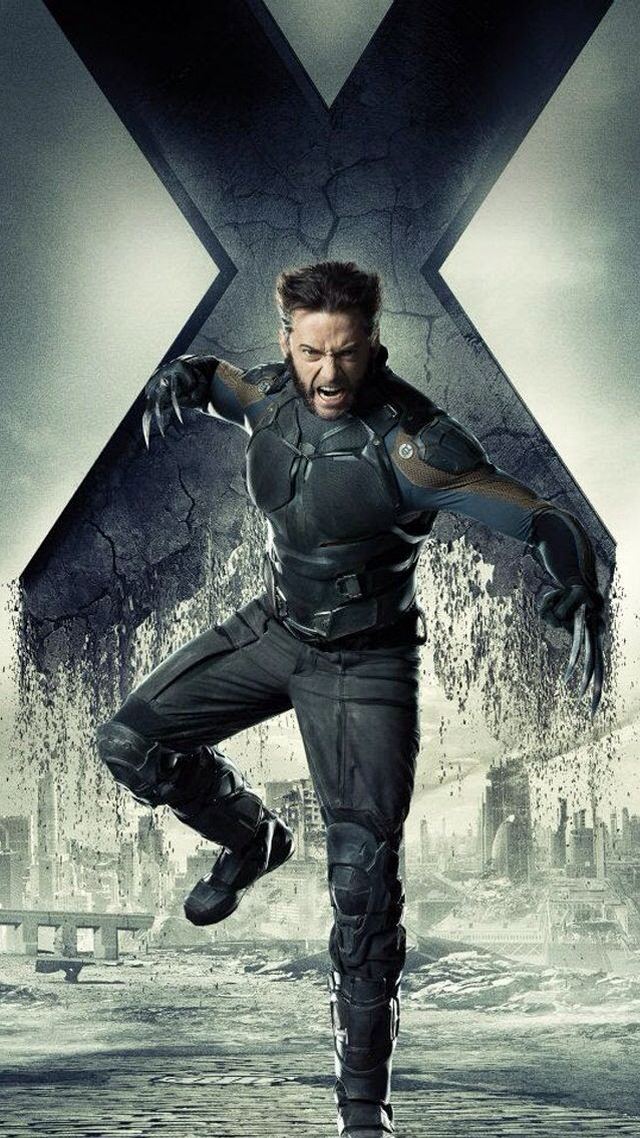
Wolverine
James Howlett
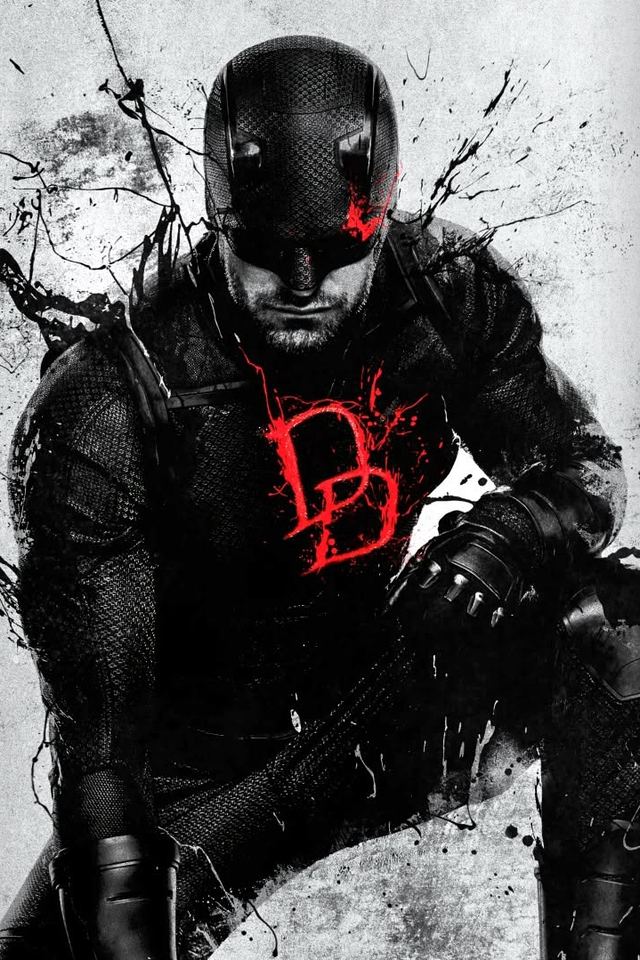
Daredevil
Matthew Michael Murdock
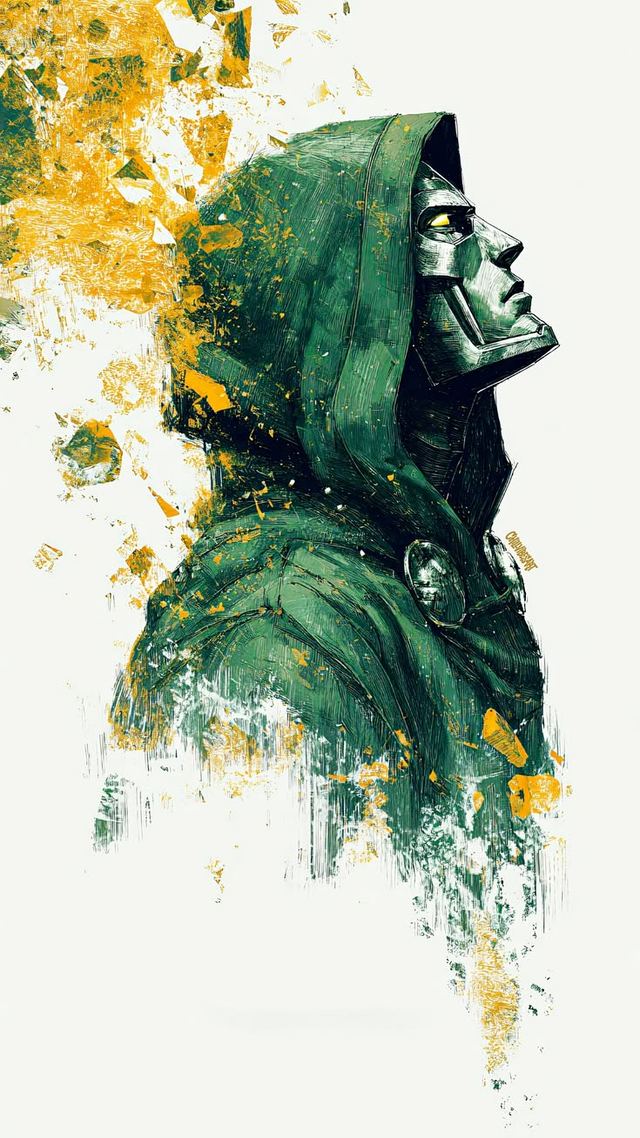
Doctor Doom
Victor von Doom
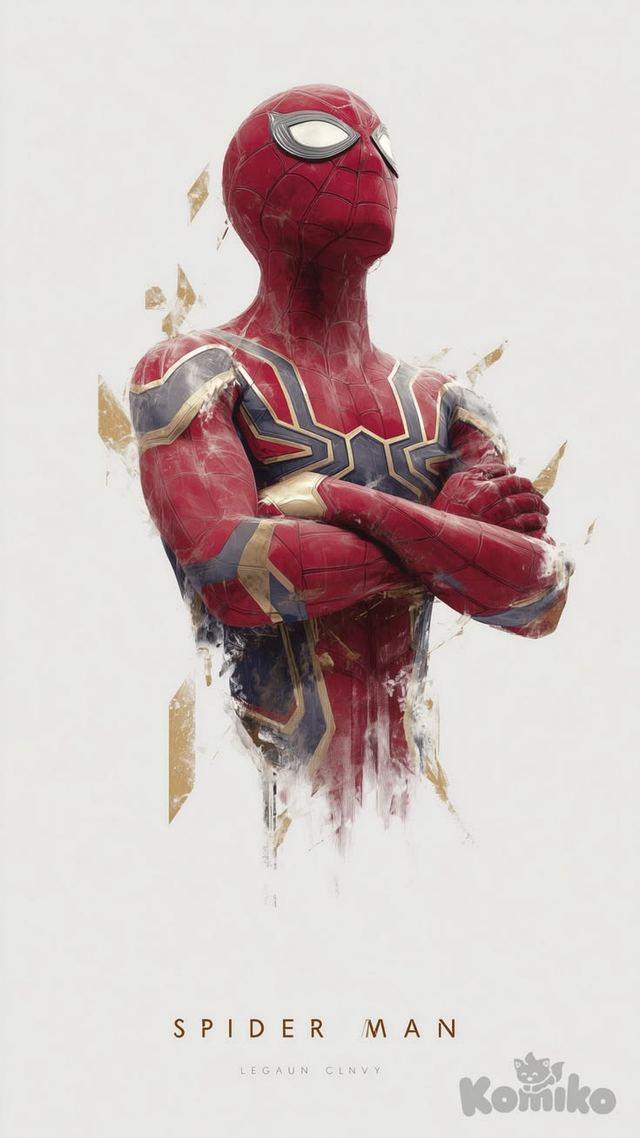
Spider-Man
Peter Benjamin Parker
Catching up on the MCU? See where this fits on our full timeline.
Read next
The 15 Best MCU Villains, Ranked By How Badly They Broke Our Heroes
A great villain is not a great fight — it is a great argument the hero cannot answer. Fifteen MCU antagonists…
The Phoenix Force Explained: What It Is, What It Wants, And Why It Keeps Choosing Jean
It is not a bird, it is not possession, and it is not evil. A full explainer on Marvel's cosmic force of creation…
The Strongest Mutants In Marvel, Ranked By Omega Potential
Omega level is a real classification with real rules, and most power rankings ignore them. Fifteen mutants ranked…