The 15 Best MCU Villains, Ranked By How Badly They Broke Our Heroes
A great villain is not a great fight — it is a great argument the hero cannot answer. Fifteen MCU antagonists ranked on the damage they left behind.
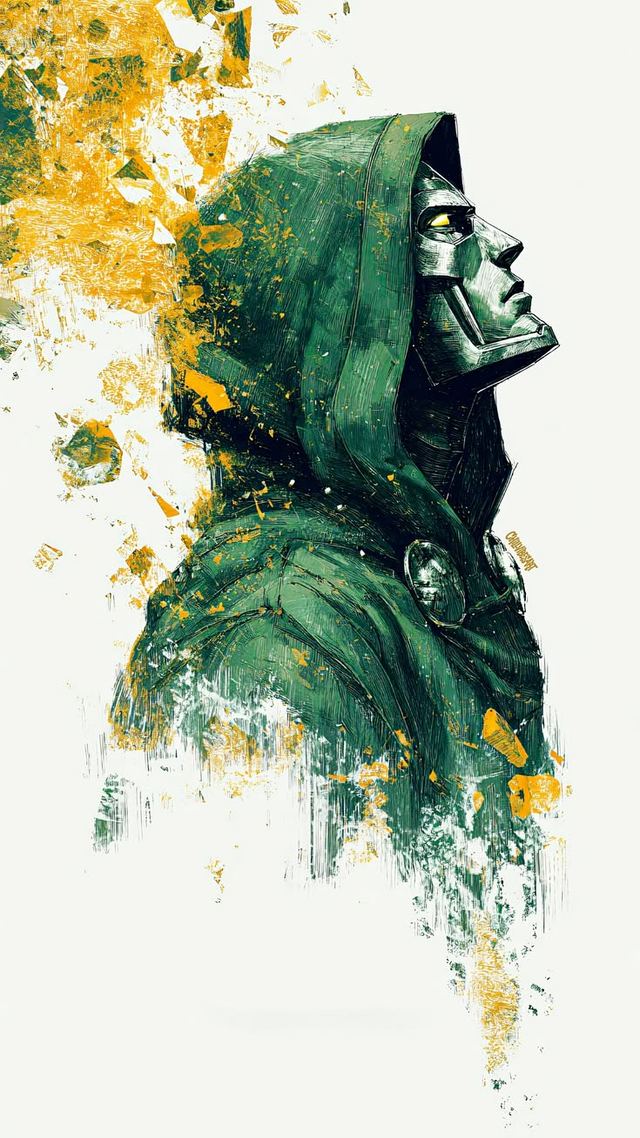
Marvel's villain problem was a genuine problem for a decade. Phase 1 and 2 produced a run of grey men in matching armour whose plans were the hero's plan with worse motives, and the franchise only solved it around 2016 by discovering something obvious: the best villain is not the strongest opponent, it is the one who is partly right.
That is the test this ranking applies. Not power. Not screen presence. Damage.
The Criteria: What Makes A Villain Rank
- Argument. Does the villain articulate a position the film cannot simply dismiss? A villain the hero can out-reason is a plot obstacle, not an antagonist.
- Cost. What did the hero permanently lose? Villains who are defeated with nothing forfeited rank low regardless of how good the actor is.
- Coherence. Does the plan hold up when you follow it? Villains with nonsense schemes lose points even when they are entertaining.
- Afterlife. Does the character still shape the franchise after their film ends? The best villains keep working after the credits.
Applied honestly, this drops several fan favourites and elevates at least one antagonist who barely throws a punch.
The Top Five
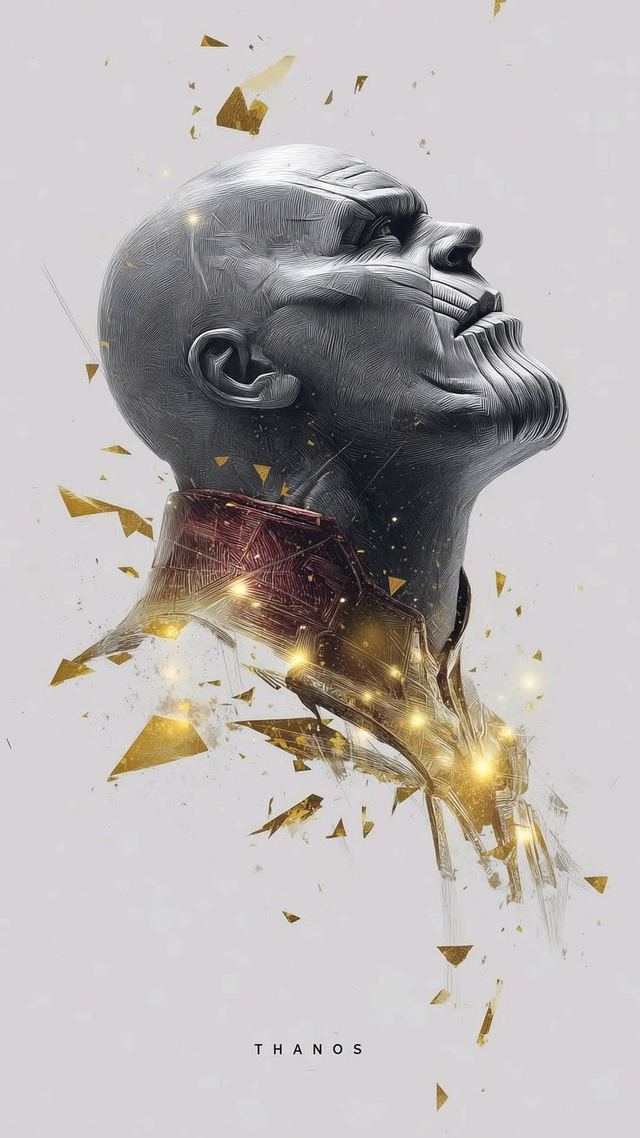
1. Thanos
The only MCU villain who wins, and the reason Infinity War is structurally the boldest film in the canon — it is his story, with the heroes as obstacles. Thanos scores on every criterion: an argument the films deliberately never fully refute, a cost that runs to half of all life and two founding Avengers, a plan he executes exactly as stated, and an afterlife that defined an entire subsequent phase. The Titan farm scene is the single best piece of villain writing Marvel has produced.
2. Erik Killmonger
The villain the hero agrees with. N'Jadaka is not wrong about Wakanda's isolationism, and Black Panther has the nerve to end with T'Challa adopting his opponent's premise while rejecting his method. His cost is the film's whole thesis: the hero learns his father was a murderer and his nation was a lie. Bury me in the ocean is the best final line any MCU character has been given.
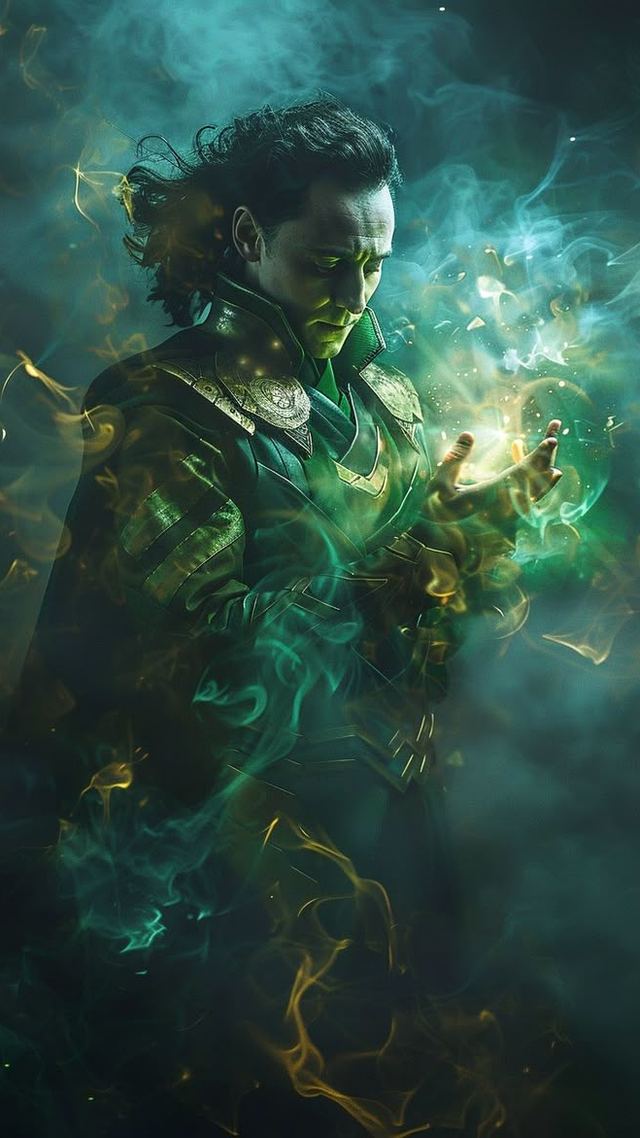
3. Loki
The longest-running argument in the franchise and the only villain who genuinely became something else. Loki loses points on coherence — the Chitauri invasion plan is thin — and gains all of them back on afterlife. He is the villain of the first Avengers film, the emotional cost of Infinity War's opening, and eventually the load-bearing pillar of the entire multiverse. No one else in this list has that arc.
4. Norman Osborn / Green Goblin
Willem Dafoe walked back into the role after nineteen years and immediately reminded the franchise what menace looks like. The Goblin in No Way Home is not there to fight Peter, he is there to take Aunt May from him and to make sure Peter knows it was preventable. That is the highest cost inflicted on any MCU hero by a villain who is not purple.
5. Helmut Zemo
The villain who wins without a single power. Zemo does not fight the Avengers — he reads them, finds the fracture, and applies pressure to it for two hours. Civil War ends with the team dissolved, Rhodey paralysed, and Steve leaving the shield on the floor, all achieved by one grieving man with a folder of documents. Coherence and cost, maximum marks.
The Full Fifteen
- Thanos — the only one who wins, and the only one whose film belongs to him.
- Erik Killmonger — right about the problem, monstrous about the solution.
- Loki — the villain who outlived villainy and inherited the multiverse.
- Green Goblin — nineteen years later, still the cruellest antagonist in the canon.
- Helmut Zemo — no powers, no fight, total victory.
- Wenwu — Tony Leung gives the franchise its most tragic father and its most credible warlord.
- Hela — pure conquering menace, and the only villain who is proved right about her nation's history.
- Wanda Maximoff in Multiverse of Madness — the horror-movie antagonist the MCU rarely allows itself.
- Alexander Pierce and the Winter Soldier — the institutional villain, still Marvel's smartest political idea.
- Mysterio — a villain built entirely from grievance and marketing, which makes him the most 2019 antagonist imaginable.
- Gorr the God Butcher — a top-three concept in a film that would not sit still long enough to serve it.
- Vulture — the working-class antagonist, and the best single scene of tension in any Marvel film.
- Ultron — a magnificent voice attached to a plan the film never quite clarifies.
- Kingpin — imported at full strength from Netflix and immediately the heaviest presence on Disney+.
- Ego — a cosmic god whose evil is, correctly, just enormous narcissism.
Zemo beat the Avengers with a photocopy. Thanos beat them with a rock. Neither of them needed a sky beam.
The Villains That Did Not Make It, And Why
Cutting is the part of a ranking that requires actual nerve, so here are the omissions and the reasons.
| Villain | Film | Why they missed |
|---|---|---|
| Malekith | Thor: The Dark World | A motivation stated in narration and never dramatised |
| Ronan the Accuser | Guardians of the Galaxy | Loud, coherent, and completely without an argument |
| Kaecilius | Doctor Strange | The most interesting philosophy in the film, given eleven minutes |
| Kang the Conqueror | Quantumania | Jonathan Majors is excellent; the film defeats him with ants |
| Taskmaster | Black Widow | A brilliant comic power set reduced to a remote-controlled bodyguard |
| The Leader | Brave New World | A fifteen-year setup paid off in a beige basement |
The Kang omission is the one that will draw fire, and it is the one we are most confident about. A saga villain has exactly one job in his introduction — to feel unbeatable — and Quantumania failed it so completely that the franchise's course correction toward Doctor Doom reads less like a pivot than a rescue.
What Doomsday Has To Beat
Avengers: Doomsday arrives on 18 December 2026 with Robert Downey Jr. playing Victor Von Doom, which is the boldest casting decision Marvel has ever made and the riskiest. The first trailer landed in July 2026 and the comics groundwork is already laid — One World Under Doom put Doom in charge of Earth on the page in 2025, and the marketing has leaned into it hard.
- Doom needs an argument, not just a mask. Killmonger and Thanos both had one; Kang never got past a monologue.
- He needs a cost. If Doomsday ends with everyone alive, he ranks below Zemo on this list before the sequel even starts.
- He needs coherence. Three universes colliding is a premise, not a plan.
- Marvel has not confirmed Chris Evans' role, and that ambiguity is the closest thing the film has to a built-in twist.
Our full argument about where the films themselves land lives in our ranking of all 37 MCU films, and the human cost these antagonists inflicted is catalogued in the deaths that actually hurt.
Frequently asked
Who is the best MCU villain?
Why is Killmonger ranked so highly?
Is Doctor Doom going to be the best MCU villain?
Why did Kang not make the list?
Characters in this story
Catching up on the MCU? See where this fits on our full timeline.
Read next
Every MCU Movie Ranked From Worst To Best (All 37 Films)
Thirty-seven films, one honest list. We rank the entire Marvel Cinematic Universe on rewatchability, craft and…
The Most Devastating MCU Deaths, And Why They Still Hurt
A death only counts if it stays dead and changes something. We rank the MCU losses that met both tests, and call…
The Biggest MCU Plot Twists, Ranked By How Well They Hold Up
A twist is only good if the second viewing is better than the first. We rank the MCU's biggest reveals on rewatch…