The Most Devastating MCU Deaths, And Why They Still Hurt
A death only counts if it stays dead and changes something. We rank the MCU losses that met both tests, and call out the ones the franchise quietly took back.
Superhero franchises have a credibility problem with death, and the MCU has spent eighteen years making it worse and then occasionally, spectacularly, making it right. Half the deaths in this franchise have been reversed, retconned or multiversed away.
So we applied a filter before ranking anything: a death only counts if it is permanent within its own continuity and if the story that follows is different because of it.
The Two Tests
- Permanence. Did it stick? Deaths undone by time travel, resurrection or a variant version score zero, regardless of how well staged the original scene was.
- Consequence. Did the surviving characters change? A death that leaves everyone functionally identical afterwards is a plot event, not a loss.
- Earned rather than shock. Was it built toward, or was it a swerve? Shock deaths can be great; they rarely age well.
- Staging. Given that all of the above are met, how well was it actually filmed?
Applying test one alone eliminates roughly two thirds of famous MCU deaths, including every single casualty of the Blip, which the franchise reversed wholesale.
The Deaths That Passed Every Test
1. Tony Stark
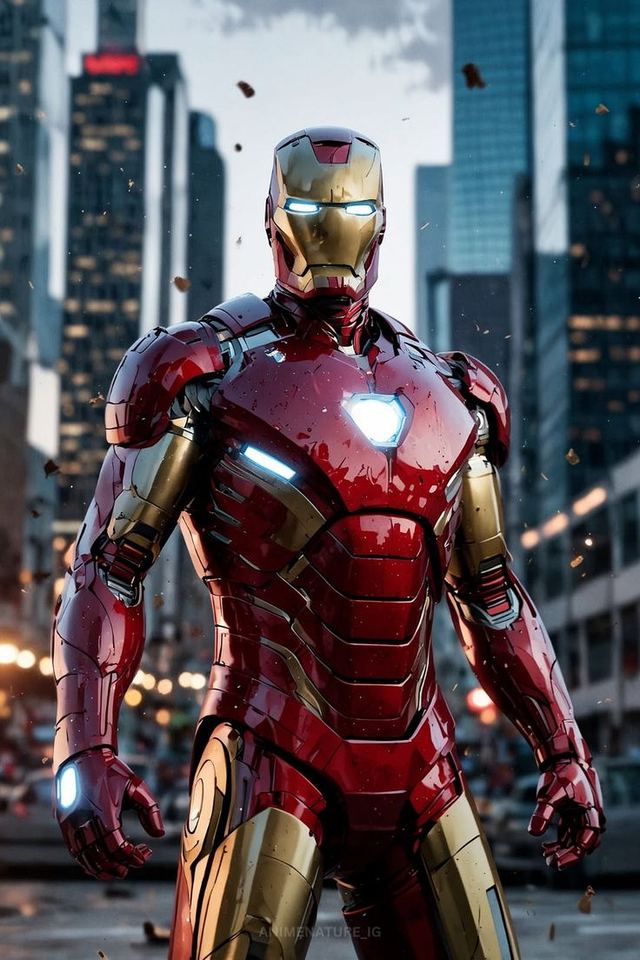
The only ending the character could have. Tony Stark begins the franchise as a man who sells weapons and refuses responsibility, and ends it by taking the worst possible consequence onto himself deliberately. I am Iron Man is the same line that opened the universe in 2008, delivered as a death sentence. It is permanent, it reshaped every subsequent phase, and Endgame has the discipline to give the funeral more screen time than the resurrection.
2. Natasha Romanoff
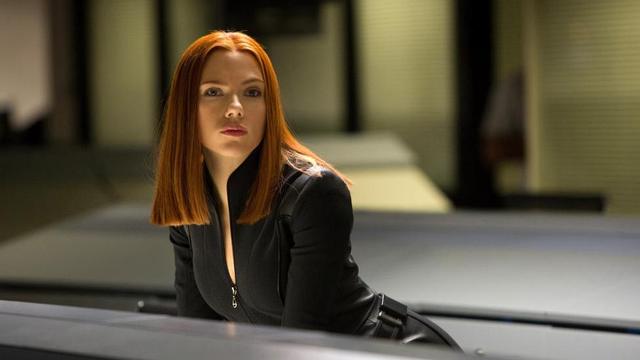
The most argued-about death in the franchise and the one that best survives scrutiny. Natasha dies on Vormir in a sequence where both characters are fighting to be the one who falls, which inverts every sacrifice scene convention. The franchise then declined to undo it — a genuine act of nerve given how easily the plot could have. Her absence is the load-bearing weight under the portals sequence.
3. T'Challa
A death outside the fiction that the fiction had to absorb. Wakanda Forever opens with T'Challa already gone and spends two and a half hours refusing to fill the hole, which is a far braver choice than recasting. Angela Bassett's performance in the throne room is the best acting in any Marvel film. The grief is real in a way no scripted death can be.
4. Yondu
The best-earned death in the franchise on a per-minute basis. Yondu Udonta spends two films as comic relief and a bad father figure, and dies making the distinction between the man who fathered you and the man who raised you. He is your daddy is a line that should not work and completely does. Vol. 2 is a better film for it and never walks it back.
The Full Ranking
- Tony Stark — the only possible ending, delivered with the line that opened the franchise.
- Natasha Romanoff — a sacrifice both characters compete for, and the studio kept it.
- T'Challa — a real loss the fiction absorbed with unusual grace.
- Yondu — two films of setup for four words.
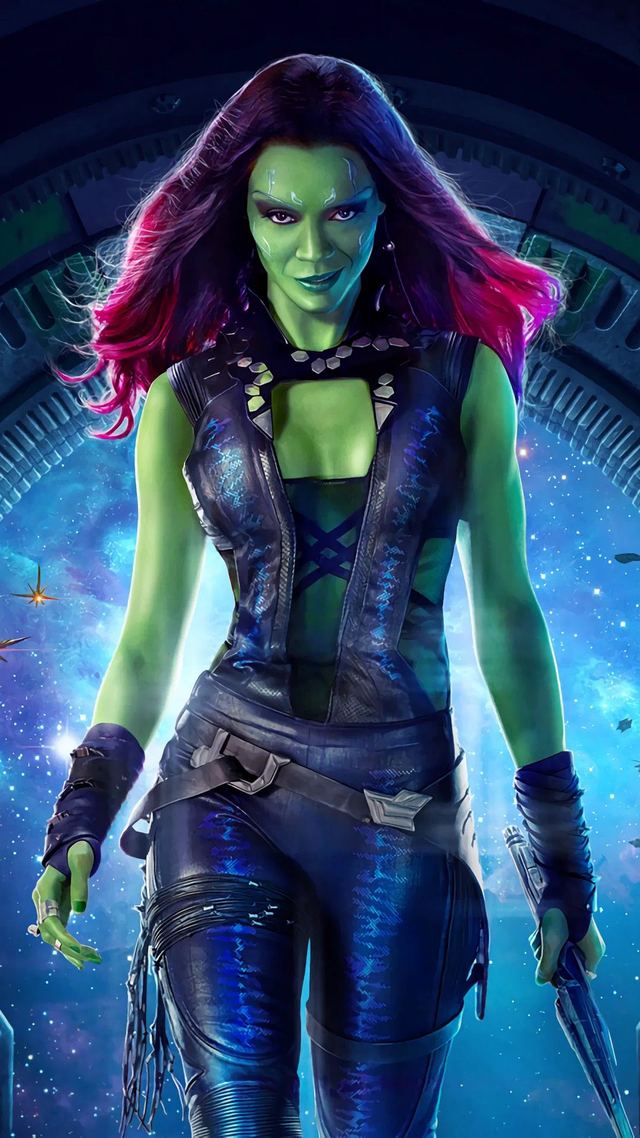
- Gamora — killed by her father for a stone, and then replaced by a variant who is not her, which is arguably crueller.
- Quicksilver — dead in his debut, and the only Age of Ultron decision with lasting weight.
- Vision — killed twice in ten minutes, and the second one is the most helpless death in the canon.
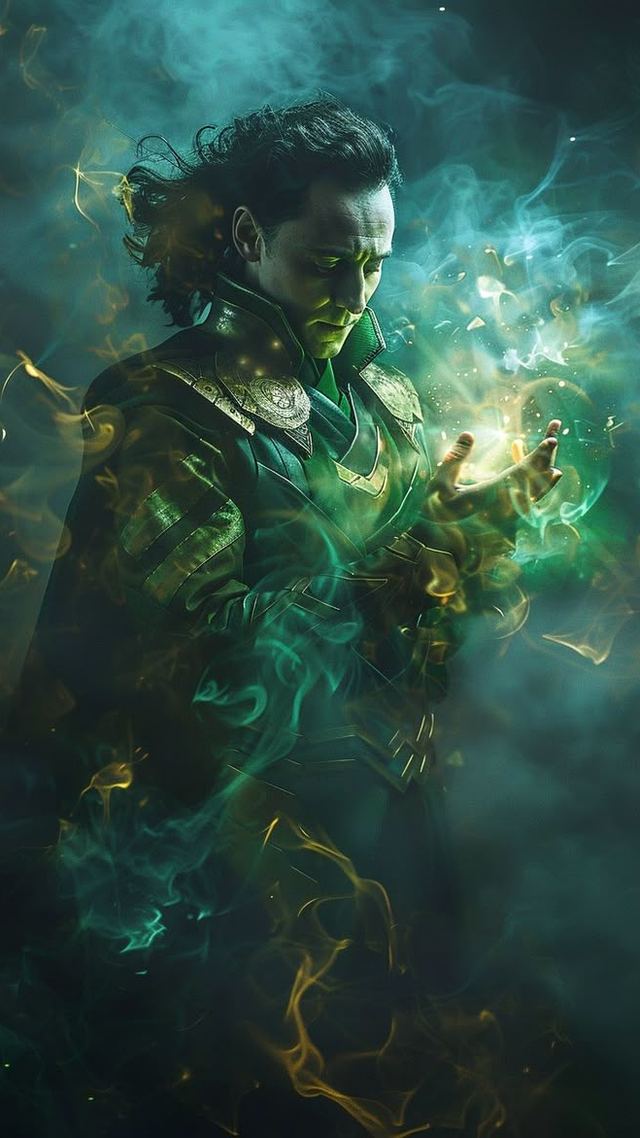
- Loki in Infinity War — undone by variants, but the original scene remains the best thirty seconds of the film.
- Aunt May — the death that finally makes Peter Parker into Spider-Man, and the cruellest in the trilogy.
- Heimdall — the first casualty of Infinity War, and the signal that the film meant it.
- Odin — a quiet death on a Norwegian cliff, and the moment Thor's story actually starts.
- Agent Coulson — the founding MCU death, undone by television, and still effective in its own film.
The franchise's best death is Natasha's, because it is the only one Marvel had every commercial reason to undo and did not.
The Ones That Did Not Stick
This is the table that explains why superhero death has a credibility problem. Every entry below was staged as a permanent loss and every one was walked back.
| Character | Death | How it was reversed | Damage to stakes |
|---|---|---|---|
| Agent Coulson | The Avengers, 2012 | Resurrected on television | Significant |
| Loki | Infinity War, 2018 | A 2012 variant escapes with the Tesseract | Moderate, arc improved |
| Gamora | Infinity War, 2018 | An earlier variant survives | Severe |
| Every Blip victim | Infinity War, 2018 | Reversed wholesale in Endgame | Total, by design |
| Nick Fury | The Winter Soldier, 2014 | Faked within the same film | Low, deliberate |
| Groot | Guardians, 2014 | Regrown as Baby Groot | Low, charming |
The Gamora reversal is the most instructive. Bringing back an earlier variant does not undo the death — it makes it worse, because Peter Quill now lives alongside someone with her face who never loved him. That is either brilliant or careless depending on how much credit you extend, and Vol. 3 chose to treat it as brilliant.
What Doomsday Is Carrying
Avengers: Doomsday lands 18 December 2026 with roughly thirty confirmed cast members, and the arithmetic of a film that size is unforgiving — an ensemble this large exists partly to be reduced. Marvel has said nothing about casualties and every specific rumour circulating is unconfirmed.
- The Russos wrote and directed the two deaths at the top of this list, which is the clearest indicator of how they use loss structurally.
- Secret Wars follows on 17 December 2027 with Robert Downey Jr. as the only publicly confirmed cast member, which is itself a signal about how much the slate expects to change.
- Chris Evans is confirmed for Doomsday but his role is not — Steve Rogers or Johnny Storm remains genuinely open.
- Kevin Feige has framed Secret Wars as the end of the Multiverse Saga and a franchise reset, which is language that historically precedes permanent exits.
For the beats these losses power, see the greatest assemble moments, and for the reveals that reframed them, the biggest twists in the MCU.
Frequently asked
What is the saddest death in the MCU?
Why did Marvel not bring Black Widow back?
Which MCU deaths were reversed?
Will anyone die in Avengers: Doomsday?
Characters in this story
Iron Man
Anthony Edward Stark
Black Widow
Natalia Alianovna Romanova
Loki
Loki Laufeyson
Gamora
Gamora Zen Whoberi Ben Titan
Catching up on the MCU? See where this fits on our full timeline.
Read next
The Greatest Avengers Assemble Moments, From The Circle Shot To The Portals
Two words, sixty years of build-up. We break down the assemble beats that actually landed, why they worked, and the…
The Biggest MCU Plot Twists, Ranked By How Well They Hold Up
A twist is only good if the second viewing is better than the first. We rank the MCU's biggest reveals on rewatch…
Every MCU Movie Ranked From Worst To Best (All 37 Films)
Thirty-seven films, one honest list. We rank the entire Marvel Cinematic Universe on rewatchability, craft and…