Adamantium vs Vibranium vs Uru: Marvel's Three Great Metals, Explained
Indestructible, absorbent and enchantable are three different properties, and the fandom conflates them constantly. Here is what each metal does and which one actually wins.
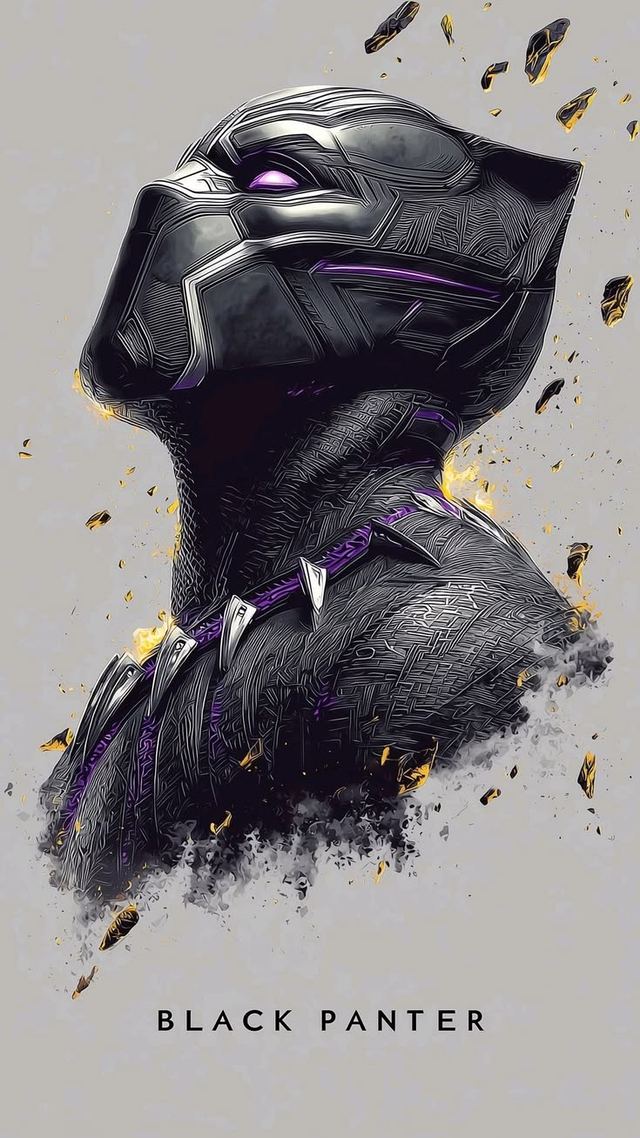
Which metal is strongest is the oldest argument in Marvel fandom and it is badly posed, because the three metals are not competing at the same thing. Adamantium is about hardness. Vibranium is about energy. Uru is about magic. Comparing them on strength is like ranking a hammer, a sponge and a battery, which is why Logan and T'Challa are not carrying different grades of the same idea.
Adamantium: The Indestructible One
A synthetic alloy, invented rather than mined, and the only one of the three that is genuinely man-made. Its properties come entirely from its manufacturing process, which is why the Weapon X programme that bonded it to a skeleton is downstream of the research we cover in our super-soldier serum explainer.
- True adamantium is created by combining resin with chemical agents at extreme heat. It remains malleable for a short window and then hardens permanently into a substance that cannot be reshaped by any conventional means.
- It is not indestructible in an absolute sense. Molecular manipulation, Antarctic Vibranium, the Phoenix Force and a handful of cosmic-tier forces have all breached it. It is functionally indestructible, which is a different claim.
- It has no other properties. Adamantium does not absorb energy, conduct anything usefully, or interact with magic. It is hard and it is heavy, and that is the whole feature list.
- Secondary adamantium is a weaker commercial grade that can be damaged and is far more common in the setting than the true alloy.
- The famous problem: Logan's skeleton is coated rather than replaced, and Magneto once extracted every atom of it through his pores. Adamantium is ferromagnetic, which is a genuine and underused weakness.
Vibranium: The Energy One
A mined extraterrestrial metal that arrived by meteorite, and the most versatile substance in Marvel because its property is not about durability at all. Black Panther is the only film to treat it as an economy rather than a gadget, which remains the smartest thing any Marvel movie has done with a fictional material.
- Wakandan vibranium absorbs kinetic energy, stores it, and can release it. This is why Steve Rogers' shield does not transmit impact and why it ricochets the way it does — the energy has to go somewhere.
- Antarctic vibranium, called Anti-Metal, does the opposite: it liquefies other metals by disrupting their molecular bonds. It is one of the few substances that reliably damages adamantium.
- Vibranium is a superb conductor of vibration and sound, which is the basis of most Wakandan technology from the mag-lev rail to Shuri's remote systems.
- It has biological and mystical applications — the heart-shaped herb grows in vibranium-rich soil, and Wakandan medicine depends on it. No other metal on this list has a pharmacology.
- Wakanda Forever established a second vibranium source under the ocean, which is the most consequential world-building change to the material since its introduction.
The shield is the best demonstration of why absorption beats hardness in practice. It is a vibranium-adamantium alloy created by accident and never successfully reproduced, which makes it the single most valuable object on Earth in both continuities — and the reason Steve Rogers can block a hammer strike without a shattered forearm.
Uru: The Magic One
The least understood of the three and the only one whose properties are supernatural rather than material. Uru is an Asgardian metal, forged in the heart of a dying star by the Dwarves of Nidavellir, and Infinity War devotes an entire subplot to the forging precisely because the metal is inert until something is written into it.
- Uru's defining property is that it holds enchantment. It is a battery for magic, which is why Mjolnir's worthiness enchantment persists and why Stormbreaker can channel the Bifrost.
- Physically it is extremely durable but not the hardest material in Marvel. Mjolnir has been broken repeatedly — by Hela, by the Serpent, by the Disir — while adamantium items generally are not.
- It is the only one of the three that can be reforged. Nidavellir remade Mjolnir more than once, which is impossible with hardened adamantium.
- Uru is why Thor's weapons behave inconsistently. The metal does not set their limits — the enchantment does, and enchantments are written by whoever is holding the forge.
The Direct Comparison
| Property | Adamantium | Vibranium | Uru |
|---|---|---|---|
| Origin | Synthetic, man-made | Meteoric, mined | Forged in a dying star |
| Core property | Functionally indestructible | Absorbs and redirects energy | Holds enchantment |
| Can be reshaped | No, once hardened | Yes | Yes, at Nidavellir |
| Energy interaction | None | Total | Magical only |
| Known weakness | Magnetism, Anti-Metal, molecular manipulation | Sonic disruption at extreme scale | Depends on the enchantment |
| Best-known object | Wolverine's claws | The shield, Wakandan tech | Mjolnir, Stormbreaker |
Adamantium wins a hardness test. Vibranium wins a fight. Uru wins an argument with a god. They are not competing.
So Which One Actually Wins?
Judged on practical combat utility rather than hardness, vibranium wins comfortably and it is not especially close.
- Adamantium transmits everything it does not stop. A blade that cannot break still delivers full impact to the arm holding it, which is why an adamantium shield would concuss its bearer.
- Vibranium absorbs. The shield stops a hammer blow from Thor and Steve feels a fraction of it, which is the single most demonstrated property in the entire MCU.
- Uru only wins if the enchantment on it is the right one. An unenchanted uru weapon is a heavy club, which is precisely what Mjolnir becomes when its bearer is unworthy.
- The vibranium-adamantium alloy of the shield is the correct answer to the whole question, and the fact that it was created by accident and cannot be reproduced is one of Marvel's better jokes.
Where Each Metal Sits Now
All three are load-bearing for the current slate, and two have changed status recently. Magneto alone makes adamantium a strategic liability rather than an advantage, which is a problem any mutant-heavy story has to solve on page one.
- Wakanda Forever ended Wakanda's monopoly by revealing Talokan's underwater deposit, which makes vibranium a geopolitical problem rather than a national asset. A third Black Panther film is reported for 28 July 2028 and is not confirmed.
- Adamantium returns to relevance with the X-Men, and The X-Men is dated 15 December 2028 under Jake Schreier with zero casting announced. Any name you have seen attached is unconfirmed and Schreier has publicly dismissed viral fan-casting.
- Channing Tatum as Gambit and the Fox-era cast are confirmed for Avengers: Doomsday on 18 December 2026, which is the first substantial mutant presence in a mainline Avengers film.
- Stormbreaker remains the strongest uru artefact in the MCU, and Thor is confirmed to appear in Doomsday with Chris Hemsworth on the cast list.
For the process that bonded adamantium to a mutant skeleton in the first place, see our breakdown of the super-soldier serum and the Weapon Plus programme, and for the mutants who can manipulate these metals directly, the strongest mutants ranked.
Frequently asked
Is adamantium stronger than vibranium?
What is Captain America's shield made of?
What is uru metal?
Can adamantium be destroyed?
Characters in this story
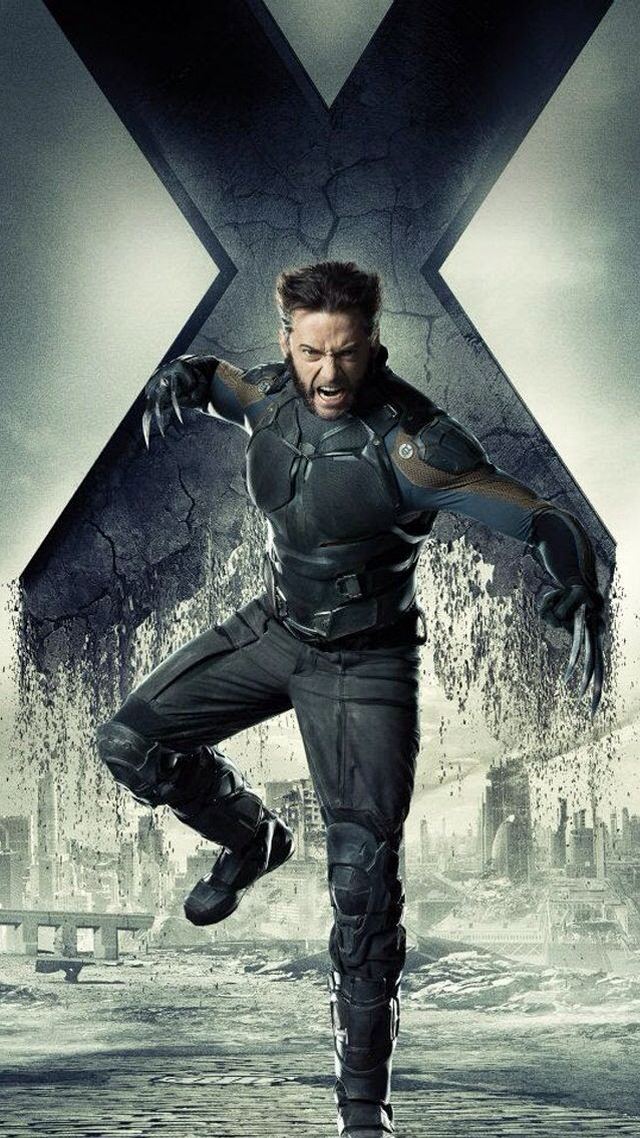
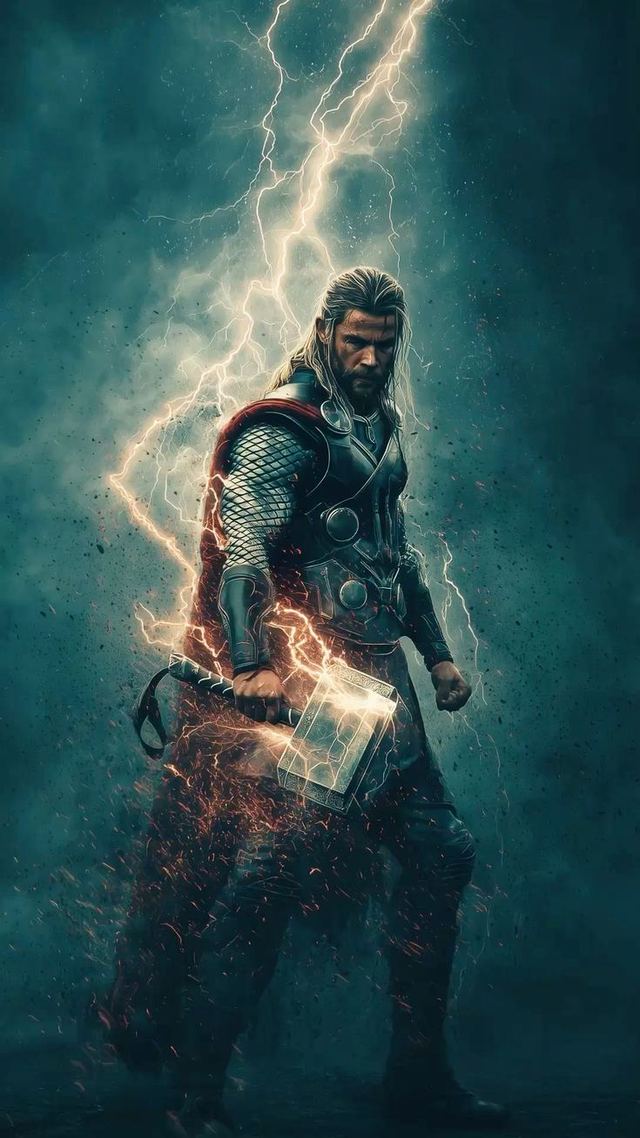

Catching up on the MCU? See where this fits on our full timeline.
Read next

The Super-Soldier Serum, Explained: Why Nobody Has Ever Recreated It
Erskine's formula has been chased for eighty years by every organisation in Marvel and it has never been cleanly…
The Strongest Mutants In Marvel, Ranked By Omega Potential
Omega level is a real classification with real rules, and most power rankings ignore them. Fifteen mutants ranked…
The 20 Most Powerful Marvel Characters, Ranked By What They Can Actually Do
Not who wins a fight — who rewrites the rules of the fight. Twenty characters ranked on scale of authority, from…