Vibranium vs. Mystical Latverian Steel: What Breaks First?
Vibranium absorbs kinetic energy. Doom's armor blends tech and sorcery in the comics. Here's a speculative, clearly-labeled look at which one would break first.
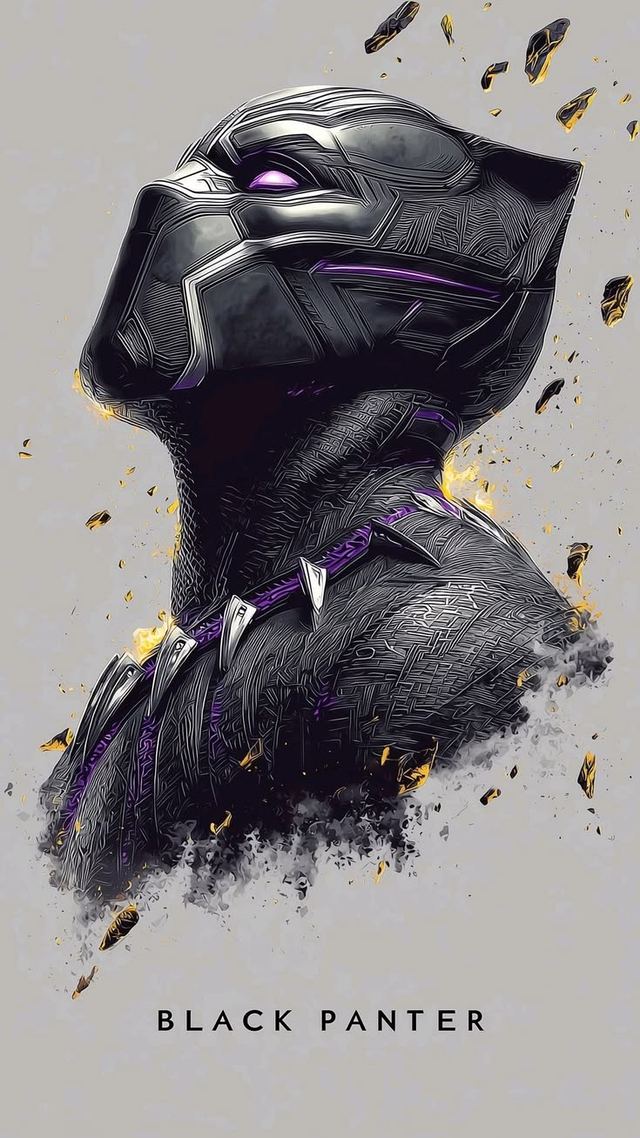
A Marvel Vs Battle Fans Keep Building In Their Heads
Every few months, a new "who would win" argument breaks out somewhere in the Marvel corner of the internet, and this particular one has been simmering since Robert Downey Jr. was confirmed to trade the arc reactor for Doctor Doom's mask. The question sounds simple enough on the surface: could Wakandan vibranium hold up against Doom's armor, or would Latveria's tech-and-sorcery hybrid cut straight through it? The honest answer is that nobody knows, and nobody can know yet, because this is speculation dressed up as weapon-lore fun, not a preview of anything Marvel Studios has actually put on screen.
That has not stopped fans from building elaborate cases for both sides, and it is easy to see why. Vibranium has real, confirmed film mechanics behind it, established across two Wakanda-set movies. Doom's armor, at least in the comics, carries decades of "it's not just metal" mythology behind it. Stack the two against each other and you get a genuinely fun materials-and-magic debate, even though the actual matchup exists only in theory right now. Consider this a speculative teardown, clearly labeled at every turn, of what each side would bring to a fight that has not been confirmed to happen anywhere in the MCU.
What Vibranium Actually Is (And Does) On Screen
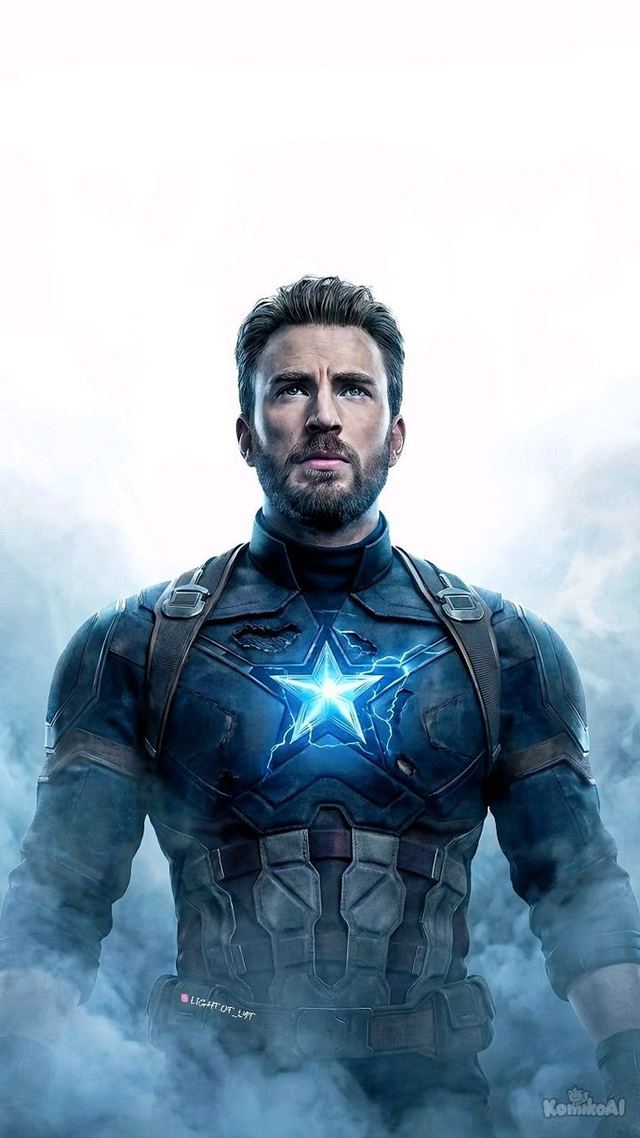
Per the films, vibranium is not just "a really strong metal," and that distinction matters for everything that follows. 2018's Black Panther establishes it as a rare element that crash-landed in what became Wakanda millennia ago, and the nation quietly built its entire hidden civilization, economy, and defense strategy around it. Its defining trait is not hardness in the way most people assume when they picture a super-metal. Vibranium absorbs vibration and kinetic energy, storing and redirecting that energy rather than simply resisting it, which is why a vibranium weave can stop a bullet without transferring much of the force into the person wearing it, and why Captain America's shield can take a direct hit from something like Mjolnir without shattering into pieces.
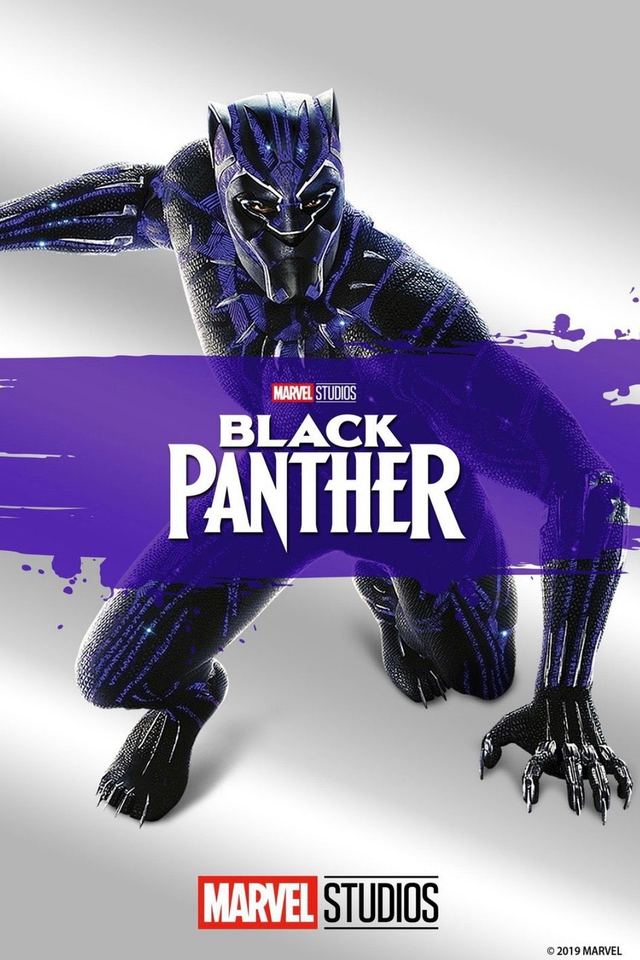
Black Panther: Wakanda Forever builds on that foundation, showing vibranium threaded into everything from the Black Panther suit itself to Wakandan naval vessels, Shuri's lab equipment, and the Midnight Angel suits used by the Dora Milaje. Across both films, vibranium is consistently framed as an energy-management material first and a "hard metal" second. That framing matters enormously once you start asking how it would theoretically hold up against something that is not a purely physical threat, which is exactly the wrinkle Doom's armor introduces.
What Doctor Doom's Armor Actually Is In The Comics
This is where the comparison gets messy, and it is worth being upfront that everything in this section is comics lore, not confirmed MCU material. Per our beginner's guide to who Doctor Doom actually is, Doctor Doom's armor in Marvel Comics has never been written as a simple alloy poured into a mold. It is traditionally described as a fusion of advanced Latverian technology and Doom's own sorcery, engineered and then magically reinforced rather than just cast and polished like a suit of medieval plate. Doom is written as both a genius-level engineer and a genuine practitioner of dark magic in the comics, and the armor is meant to reflect both halves of that identity at once.
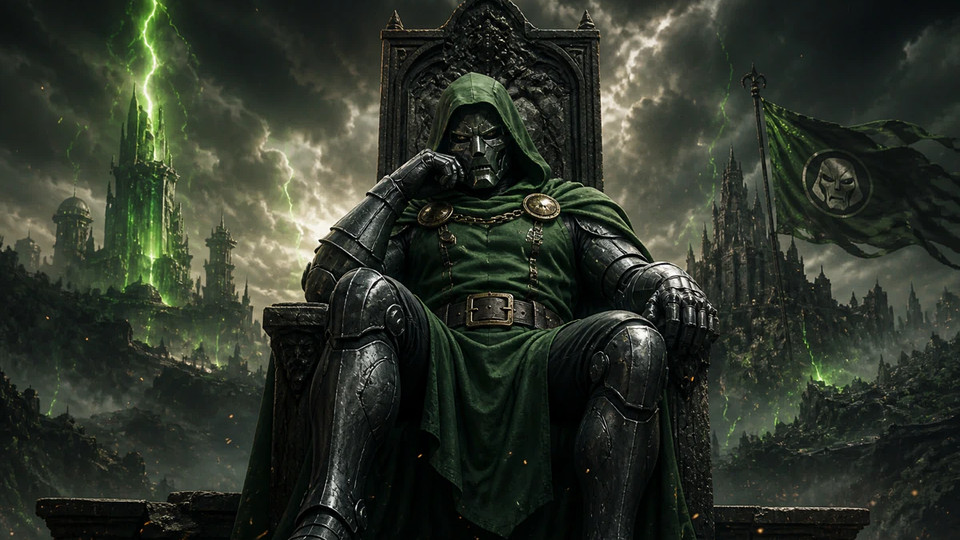
That "tech plus sorcery" framing is precisely why comics writers have spent decades avoiding a clean, one-line answer to "what is the armor actually made of." It is part science project, part enchanted object, and part extension of Doom's own will, which makes it a genuinely strange thing to weigh against a straightforward physical material like vibranium. None of this has been confirmed to carry over to Robert Downey Jr.'s version of the character. He is set to appear as Doom in Avengers: Doomsday on 18 December 2026, and again in Avengers: Secret Wars on 17 December 2027, but what his MCU armor is actually made of, magically enhanced or otherwise, has not been detailed by Marvel Studios as of this writing.
Why A Tech-Magic Hybrid Complicates A Clean "Which Is Stronger" Answer
Vibranium's whole trick is managing kinetic energy. It is extremely good at not transferring force, whether that force arrives as a punch, a bullet, or a repulsor blast. Doom's armor, per the comics, is not necessarily attacking or defending with kinetic force alone. If a version of Doom brought mystical energy, dimensional tricks, or raw spellcraft into a hypothetical clash, vibranium's core ability to absorb and redirect physical impact might not even be the relevant stat in the fight. That is the whole problem with forcing this into "material X beats material Y" language. One side is a metal with a well-defined, repeatedly demonstrated physical property. The other is, per decades of comics writing, closer to a magical artifact that happens to look like armor.
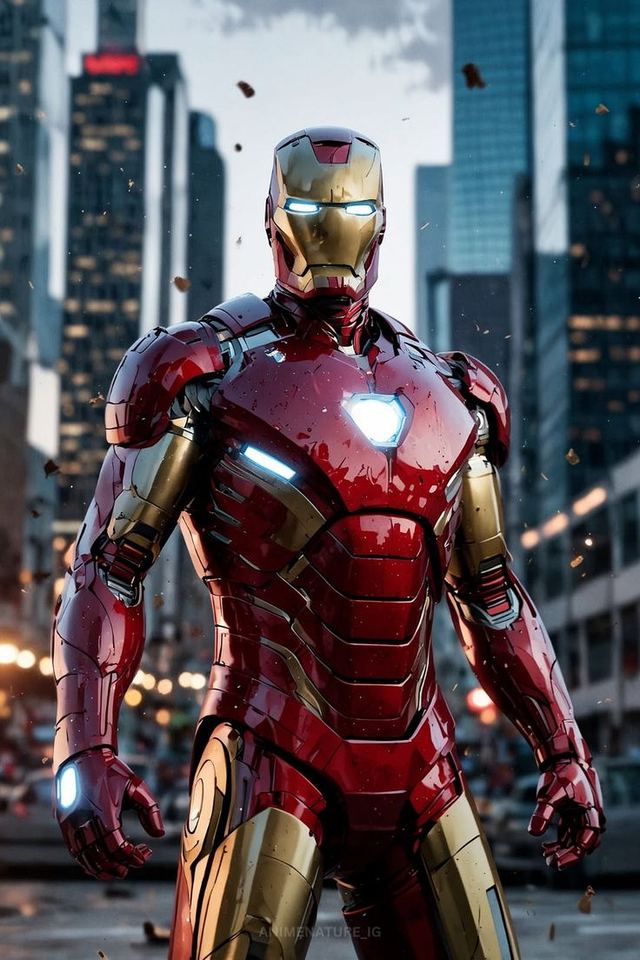
For a deeper, and equally speculative, look at how magic-based power sets stack up against Doom specifically, our piece comparing Asgardian magic to Doctor Doom's power scaling runs through some of the same complications from a different angle. The short version is that sorcery does not play by the same rules as a durability chart, and neither the comics nor the MCU have ever fully pinned down where Doom's power ceiling actually sits. Even Iron Man's technology, which is also famously hard to power-scale against magic users, is at least consistently metal, circuitry, and repulsor tech through and through. Doom's armor asks you to grade an unknown magical variable on top of all that, which is exactly why this remains speculation rather than a settled argument.
Vibranium vs Doom Armor: A Structured Comparison
None of what follows is confirmed, official, or remotely testable, but breaking the theory into categories at least makes the speculation easier to follow side by side.
| Category | Vibranium (Wakanda) | Doom's Armor (Comics) |
|---|---|---|
| Core nature | A physical element and metal | Tech-and-sorcery hybrid |
| Primary ability | Absorbs and redirects kinetic energy | Physical protection plus magical reinforcement |
| Screen or page confirmation | Confirmed MCU material across two films | Comics-only characterization so far |
| Known weakness | Untested on screen against pure magical or energy-based attacks | Vulnerable if Doom's spellcasting is disrupted, per comics stories |
| Status in Avengers: Doomsday | Not confirmed to appear in the film | Doom confirmed to appear; armor composition unconfirmed |
Read that table as a conversation starter rather than a verdict. Half of it is filled in with confirmed film and comics facts, and the other half is necessarily a guess, because there has never been an actual on-screen or on-page fight between these two specific things to draw real conclusions from.
The Case For Each Side
The Case For Vibranium
Vibranium's strongest argument is consistency. It has a well-documented, repeatedly demonstrated ability across both Black Panther films: it takes a hit and neutralizes it. A shield made of it stops a hammer cold. A suit made of it stops bullets and shockwaves without much drama. If Doom's side of a hypothetical clash were primarily physical or kinetic in nature, even a technologically enhanced blast, vibranium's entire design purpose is to shrug that off and disperse the energy elsewhere. Wakanda also has, per Wakanda Forever, an entire technological and military infrastructure built around scaling that property up, from vibranium-hulled ships to weaponized suits worn by an army trained specifically to use them.
The Case For Doom's Armor
Doom's argument is less about brute durability and more about unpredictability, and that is exactly why fans keep bringing it up. If his armor genuinely draws on sorcery, per the comics, then a fight is not automatically won by whichever side has the tougher material. Magic in Marvel lore routinely bypasses physical durability altogether, targeting a foe's life force, mind, or soul rather than their skin or suit. A vibranium weave that perfectly absorbs a punch does essentially nothing against a curse, a teleportation trick, or a reality-bending spell layered into that same armor. That is speculative even by comics standards, but it is precisely why this matchup does not resolve as neatly as "the tougher metal wins."
The Honest Verdict: Leaning Into Uncertainty
So which one breaks first? Genuinely, there is no honest way to answer that, and any article claiming otherwise is guessing harder than this one is willing to. This is a Tier 3 theory through and through. No film has staged this fight. No comics run has definitively crowned a winner in a like-for-like matchup between these two specific things. And the two "materials" being compared are not even playing the same game to begin with. One is a physical element with a known, repeatable, well-tested property. The other is, per the comics, a magical-technological hybrid whose limits shift depending on which writer is holding the pen that decade.
The moment one side of a fight is magic, the tape measure stops meaning anything.
If pressed for a take, the most defensible one is a shrug dressed up as an answer. Vibranium likely wins a straightforward, purely physical durability contest. Doom's armor likely wins the moment real sorcery gets involved. And there is no confirmed scenario telling us which set of rules would even apply if these two ever actually met, so treat any firmer answer than that, including the ones in this article, as entertainment rather than analysis.
Do Wakanda And Doom Have Any Confirmed Reason To Clash In Doomsday?
Here is the part that keeps this whole theory grounded, or ungrounded, depending on how generous you want to be. Avengers: Doomsday has a confirmed cast running to roughly 30 names, headlined by Robert Downey Jr.'s Doctor Doom, and as of this writing that list does not include any of Black Panther's cast, as far as this site has been able to confirm.
- Confirmed: Robert Downey Jr. plays Doctor Doom in Avengers: Doomsday (18 December 2026) and Avengers: Secret Wars (17 December 2027).
- Confirmed: Avengers: Doomsday has an ensemble cast of roughly 30 names across the wider MCU.
- Not confirmed: any Black Panther cast member appearing in Avengers: Doomsday.
- Not confirmed: any on-screen scene, trailer beat, or plot detail directly involving Wakanda and Doom.
That means the entire idea of a Wakanda Doomsday war is, right now, a fan-built theory constructed from adjacency rather than evidence. Wakanda has vibranium, Doom is arriving in a film stacked with dozens of characters, and multiversal stakes are clearly part of the bigger picture per our breakdown of how MCU incursions actually work, so it is easy to see why fans keep mentally drawing a line between the two. But easy to imagine is not the same thing as confirmed, and our full explainer on what Avengers: Doomsday is actually about does not currently list Wakanda, vibranium, or a Wakanda Doomsday war as part of the film's plot in any official capacity.
What is actually confirmed is much simpler: Doom is coming, the stakes are enormous, and the only real way to find out whether vibranium and Doom's armor ever meet on screen is to watch it happen for yourself. Catch up on everything confirmed so far about the film before Avengers: Doomsday arrives in theaters on 18 December 2026, because until then, this "what breaks first" debate stays exactly where it belongs, filed firmly under speculation.
Frequently asked
Is a Vibranium vs Doom armor fight confirmed in the MCU?
What actually makes vibranium special in the Black Panther films?
Is Doctor Doom's armor made of vibranium in the comics?
Could there realistically be a Wakanda Doomsday war on screen?
Who is playing Doctor Doom, and when can I see him?
So does vibranium or Doom's armor actually win?
Characters in this story
Black Panther
T'Challa
Doctor Doom
Victor von Doom
Captain America
Steven Grant Rogers
Iron Man
Anthony Edward Stark
Catching up on the MCU? See where this fits on our full timeline.
Read next
Doctor Doom: The Complete Beginner's Guide Before Avengers: Doomsday
Marvel is handing its whole franchise to a man in an iron mask this December. Here is everything a newcomer needs…
Will Asgardian Magic be the Only Thing That Can Pierce Doom's Armor?
Doom's armour has shrugged off bullets, blasts, and Reed Richards for six decades. Comics precedent says enchanted…
What Is Avengers: Doomsday About? The Confirmed Story, Cast And December 2026 Release
Marvel's next Avengers film lands 18 December 2026. Here is exactly what the studio has confirmed about the story…