The Mutant Gene Awakens: Is MCU Peter Parker Secretly a Mutant?
Brand New Day never calls Peter Parker a mutant. So why is the internet convinced his spider-DNA is really a dormant X-Gene finally switching on?
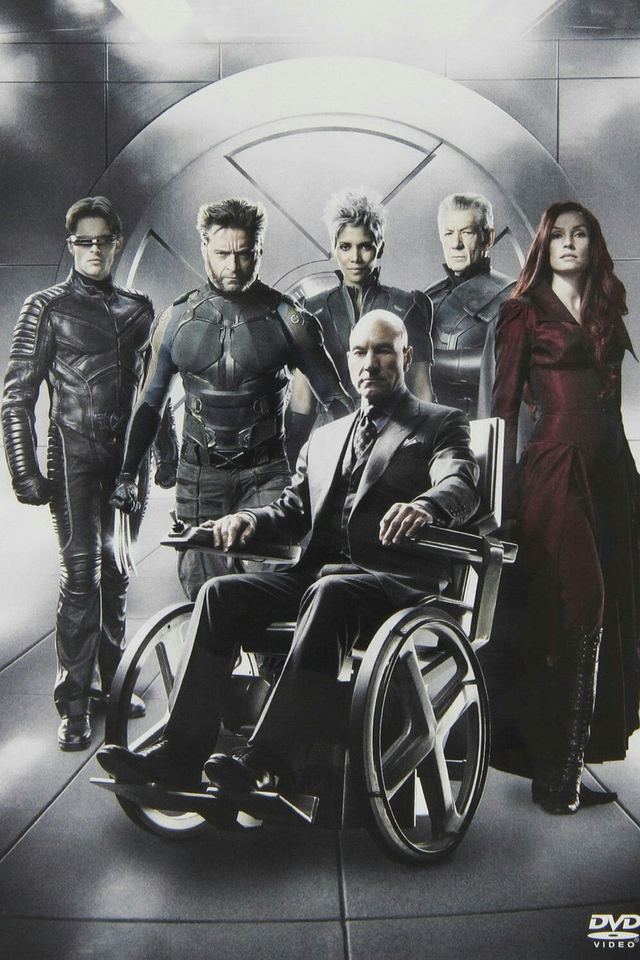
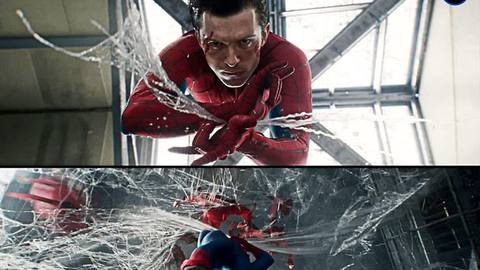
Peter Parker spends most of Spider-Man: Brand New Day losing a fight with his own body, and by the time he tears off that failed homemade inhibitor in the third act, a chunk of the internet had already reached for the most obvious explanation sitting right next to him on screen. What if Peter isn't just a man with spider powers accelerating past his control, but a mutant whose X-Gene got switched on by trauma, grief, and a decades-old radioactive bite?
It's a fun theory, and it spread fast the moment the credits rolled. Jean Grey sharing a film with Spider-Man for the first time in MCU history, both characters undergoing a "genetic awakening" under duress, both losing control of powers that had apparently been dormant for years, it all lines up just enough to feel like a secret the movie is winking at. For the full context of how we got here, our complete ending explained breakdown is the place to start.
This piece exists to actually test that theory against what Brand New Day puts on screen, not just what it feels like it might be implying. We'll lay out the strongest version of the argument, then be upfront about where it falls apart against the film's own stated logic. This is speculation, clearly labelled as speculation, and it should be read that way.
The Theory, In Plain English
The pitch goes like this: Peter was bitten by a genetically engineered spider as a teenager, and for years that bite behaved exactly the way Sony and Marvel always told us it would, proportional strength, wall-crawling, a tingling sixth sense. But Brand New Day shows something new: black eyes, blackouts, sensory overload, a predatory rage he can barely leash, and organic webbing firing straight from his wrist with no mechanical shooter involved. In the comics, mutant powers frequently activate or intensify under exactly this kind of stress, trauma, or grief. So the theory reframes the spider bite not as the cause of Peter's transformation, but as the trigger that woke up something supposedly already inside him.
- Peter's black eyes and blackouts echo how comic-book mutant powers often manifest suddenly under stress.
- His organic, wrist-fired webbing replaces the mechanical shooters he built as a teenager, suggesting something innate rather than engineered.
- Jean Grey and Peter Parker share a film for the first time, both described in the dialogue as undergoing a genetic transformation.
- The predatory rage Peter struggles to control mirrors how X-Men stories frame a mutant losing command of a power that was always inside them.
Why Cerebro Should Have Flagged Him Decades Ago, and Why That's a Problem for the Theory
Here's the part fan theorists tend to skip past, and it's worth sitting with because it actually undercuts the whole premise rather than supporting it. In Marvel comics lore, mutant-detection technology like Cerebro exists specifically to find people like Jean Grey, individuals born with a latent X-Gene, often long before their powers manifest. That technology is tied to Professor Xavier and the X-Men, not to Peter's orbit, and not to Damage Control.
If Peter Parker had been carrying a dormant X-Gene his entire life, a device built to detect exactly that condition should, in theory, have picked him up well before a radioactive spider ever got near him. The film gives us no scene, no line, no hint that anyone, anywhere, ever flagged Peter as a mutant before Brand New Day. That silence isn't neutral. It's evidence against the theory, and any honest read of it has to say so plainly.
| What the theory needs to be true | What Brand New Day actually shows |
|---|---|
| Peter has carried a dormant X-Gene since birth | The film never mentions an X-Gene or any pre-existing mutant condition |
| Mutant-detection tech like Cerebro should have flagged him years ago | No scene shows Peter ever being detected, tracked, or flagged by any mutant-tracking system |
| Peter and Jean Grey share a biological or family origin | The two characters have no established blood relation; their arcs run in parallel, not together |
| Peter's transformation is a mutant gene switching on | Peter's suit AI and the film's own dialogue frame it as spider-DNA overwhelming his human DNA |
Are Peter and the Grey Sisters Actually Related? No, and the Film Never Says They Are
Let's be precise about something the internet keeps blurring. Brand New Day does not establish any biological or family connection between Peter Parker and Jean Grey or her late sister Sarah. There's no shared bloodline, no shared parentage, no scene implying they're related in any way. Anyone claiming otherwise is inventing a connection the movie simply doesn't contain.
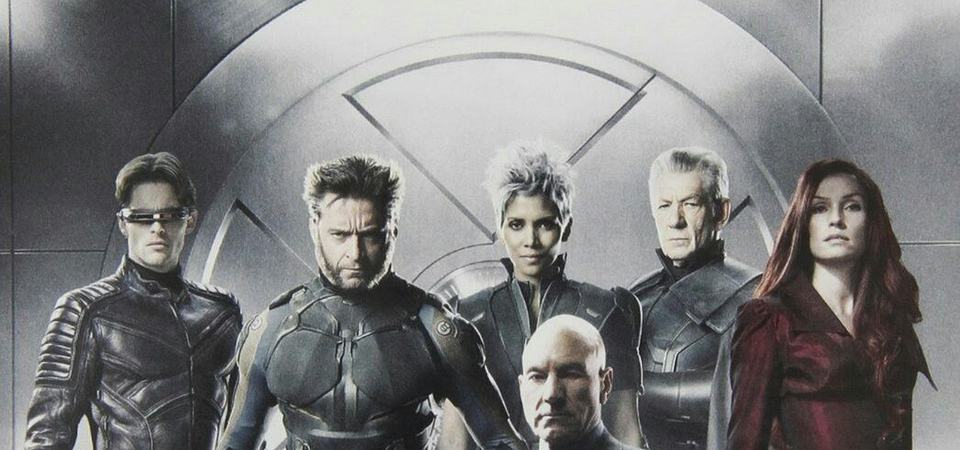
What the film does share between the two characters is thematic, not biological: both are described using the language of genetics and awakening, both lose control of something the story frames as always having been part of them, and both stories are told inside the same two hours for the first time in MCU history. That overlap is narratively elegant, and it's part of what made Sadie Sink's casting as Jean Grey such a genuine surprise. It's also, on its own, nothing more than two writers reaching for similar metaphors in the same script.
What Brand New Day Actually Says About Peter's Transformation
The film is consistent about this, and it repeats the point more than once: Peter's transformation is framed as spider-DNA overwhelming his human DNA, accelerated by grief and trauma, not as a dormant mutant gene finally switching on. It's his suit AI, not Cerebro or any X-Men-adjacent technology, that eventually identifies Jean Grey as the entity's true host, a detail that only makes sense if Peter's biology and Jean's biology are being treated as two separate systems rather than one shared origin. We break down that actual, on-screen explanation in detail in our piece on Peter's spider-DNA evolution.
Brand New Day tells two genetic-awakening stories side by side without ever crossing the wires between them, and that's a deliberate choice, not an oversight fans are cleverly catching.
If It Were True: What It Would Mean for the MCU's Mutant Future
None of this stops the theory from being fun to imagine, and it's worth entertaining briefly, purely as speculation about where future storytelling could go rather than anything the studio has hinted at. If a future project ever did retcon Peter as a mutant, it would open some genuinely interesting doors.
- It would give the studio a built-in bridge between Peter's corner of the MCU and the X-Men side of the roster ahead of the 2028 X-Men film.
- It would recontextualise years of Spidey lore as mutant lore, something the comics themselves have never done, since Peter's powers are spider-derived there too.
- It would raise the question of whether other MCU heroes with unexplained or accelerating powers are quietly being set up as mutants as well.
The Verdict
Treat this one as the most speculative entry in our Brand New Day coverage, because that's exactly what it is. The X-Gene theory is a clever bit of pattern-matching built on shared vocabulary and shared screen time, not on anything Brand New Day actually states. The film is explicit that Peter's changes come from spider-DNA overtaking his human biology, and it never once suggests an X-Gene, a Xavier connection, or a Grey family tie. Enjoy the theory for what it is, a fun "what if," and hold onto the film's own answer as the one that actually counts.
Frequently asked
Is Peter Parker a mutant in Spider-Man: Brand New Day?
Why didn't Cerebro detect Peter Parker if he's secretly a mutant?
Are Peter Parker and Jean Grey related in the MCU?
What actually causes Peter's black eyes and blackouts in Brand New Day?
Could Peter Parker become a mutant in a future MCU project?
Characters in this story
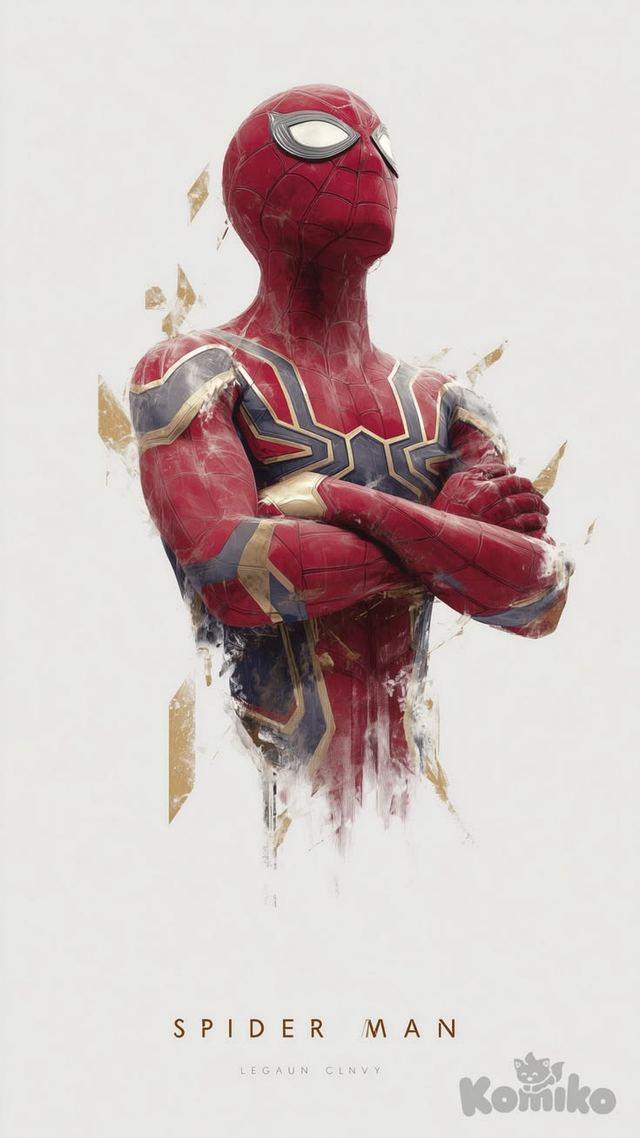
Spider-Man
Peter Benjamin Parker

Jean Grey
Jean Elaine Grey
Catching up on the MCU? See where this fits on our full timeline.
Read next
Sadie Sink Is Jean Grey — And Marvel's Year-Long Secret Died On A Red Carpet In Eleven Words
Marvel's most protected casting secret of the year was given away at the LA premiere by a musician answering a soft…

Steve Lacy's Jean Grey Spoiler Broke The Internet In About Four Seconds
A musician who isn't even in the cast let Marvel's best-kept secret slip during a live red-carpet interview — and…
Man-Spider Evolved: The Terrifying Science Behind Peter's Black Eyes & Organic Webs
Grief cracked Peter's DNA wide open. Here's the science, the comics precedent, and why his own web-shooters turned…