Guardians Of The Galaxy Vol. 3 Easter Eggs: Every Comic Reference In Marvel's Saddest Film
Batch 89, Counter-Earth, Phyla-Vell and a talking dog. Vol. 3 is stacked with comics deep cuts, and almost all of them are attached to Rocket's origin.
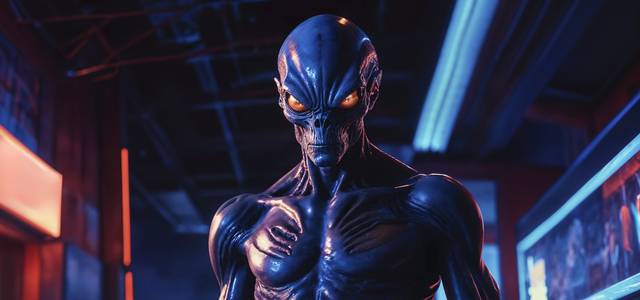
Guardians of the Galaxy Vol. 3 is James Gunn's exit interview, and it spends its references almost entirely on one character. Rocket's backstory is assembled out of specific 1980s comics material that had never been adapted, and the rest of the film is built to support it. Here is the verified reference list.
Rocket's origin, straight off the page
- 89P13. Rocket's cage designation is his comics designation. He has been 89P13 on the page since the 1980s.
- Lylla the otter. Lylla is Rocket's love interest in Bill Mantlo and Keith Giffen's 1985 Rocket Raccoon miniseries, and her appearance here is her first screen adaptation.
- Teefs and Floor. The walrus and the rabbit are original to the film but built in the same register as the Halfworld characters Mantlo created.
- The High Evolutionary. Herbert Wyndham, created by Stan Lee and Jack Kirby, is a comics geneticist obsessed with forced evolution, and the film's version is unusually close to the source in method if not in temperament.
- Counter-Earth. The High Evolutionary's artificial duplicate planet is a genuine comics creation, and the film's version, populated by anthropomorphic animals, is a direct visual lift.
- Orgoscope and the Orgosentries. The biological-technology aesthetic extends the body-horror thread that runs through Wyndham's comics appearances.
The choice to build a blockbuster around Bill Mantlo's Rocket Raccoon material is worth flagging. Mantlo created the character in 1976 and has been in long-term care since a 1992 accident; Gunn has repeatedly and publicly credited him. Vol. 3 is the most complete adaptation of his work that exists.
The new Guardians
| Character | Comics origin | Role at the end of the film |
|---|---|---|
| Rocket | Marvel Preview #7, 1976 | Captain of the Guardians |
| Groot | Tales to Astonish #13, 1960 | Now fully grown, and speaks a complete sentence |
| Kraglin | Created for the MCU | Ravager with a mastered Yaka arrow and Yondu's fin |
| Cosmo the Spacedog | A Soviet space dog from the comics | Telepathic Knowhere resident |
| Adam Warlock | Debuted as Him in Fantastic Four, 1967 | Reluctant new recruit |
| Phyla-Vell | Comics daughter of Mar-Vell, and a Guardian in her own right | Rescued child who joins the team |
| Nebula | Avengers #257, 1985 | Effectively running Knowhere |
Adam Warlock's presence is a four-film payoff. Ayesha and the Sovereign build his cocoon in the post-credits of Vol. 2, and Vol. 3 hatches him early and then spends the film making him useless, which is a genuinely funny inversion of a character usually written as a messiah figure.
Music, and the Zune
The soundtrack is the franchise's structural device and Vol. 3 uses it more pointedly than either predecessor. The Zune that Kraglin gives Peter in Vol. 2 is the delivery mechanism, and the needle-drops are doing narrative work: Radiohead's Creep scores Rocket's flashbacks, the Beastie Boys' No Sleep Till Brooklyn carries the single-take corridor fight, and Florence + The Machine's Dog Days Are Over closes the film on the entire cast dancing.
The corridor one-shot scored to No Sleep Till Brooklyn is the best action sequence Marvel has staged since the Endgame portals, and it is a victory lap for a team that has already lost.
The smaller nods
- Nathan Fillion appears as Master Karja, an Orgocorp guard. Fillion had been cast as Wonder Man in Vol. 2 in a scene that was cut, so this is his belated on-screen debut in the franchise.
- Peter's grandfather Jason Quill returns, played by Gregg Henry, closing a thread opened in the first film's prologue.
- Knowhere, the severed Celestial head, is now the Guardians' home base rather than a market, completing its journey across three films.
- Groot's closing line is the only time in the trilogy he says something other than his usual sentence, and it is timed so the audience understands it without subtitles.
- The post-credits card reads that the Legendary Star-Lord will return, which is the title of a real 2014 comics series starring Peter Quill.
- The second post-credits scene shows the new team assembled on Knowhere, with Phyla-Vell operating as the group's newest member.
Why the film's references land differently
Most Marvel easter eggs are promises. Vol. 3's are receipts. Almost every reference in the film points backwards, to Mantlo's comics or to the trilogy's own earlier films, rather than forward to something Marvel intends to sell you later. The one genuine forward-looking element, the Legendary Star-Lord card, remains unfulfilled three years later, and neither Avengers: Doomsday nor anything else on the confirmed slate has announced Chris Pratt.
For a film that does the opposite, all forward-pointing and no receipts, see our Thunderbolts* easter egg guide. For another franchise ending that turned its references into a eulogy, the Deadpool & Wolverine breakdown is the companion piece.
One further structural nod is worth flagging. The Guardians films have always opened on a piece of music and closed on a dance, and Vol. 3 makes the pattern explicit by ending on the entire cast, including characters who cannot dance and one who is a dog, moving together in a single unbroken shot. It is a formal rhyme with the closing beats of both previous films, and it is the nearest thing to a signature James Gunn has in the franchise.
What we left out
We have not included several claimed background cameos on Counter-Earth and in the Orgoscope sequences that circulate as verified but are not, including a widely shared identification of a specific comics character among the animal population. Gunn's films reward pausing, but a shape that resembles a character is not the same as a character.
Frequently asked
What does 89P13 mean in Guardians Vol. 3?
Who is the High Evolutionary in the comics?
Who is Phyla-Vell?
What does the Guardians Vol. 3 post-credits card say?
Characters in this story
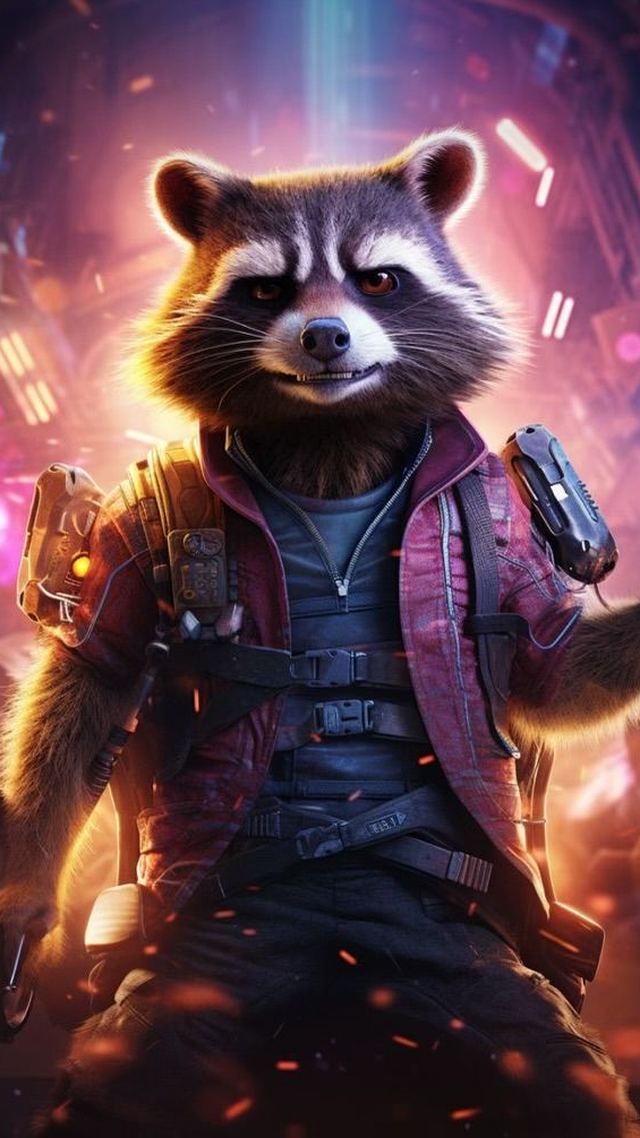
Rocket
Rocket Raccoon
Star-Lord
Peter Jason Quill
Groot
Groot
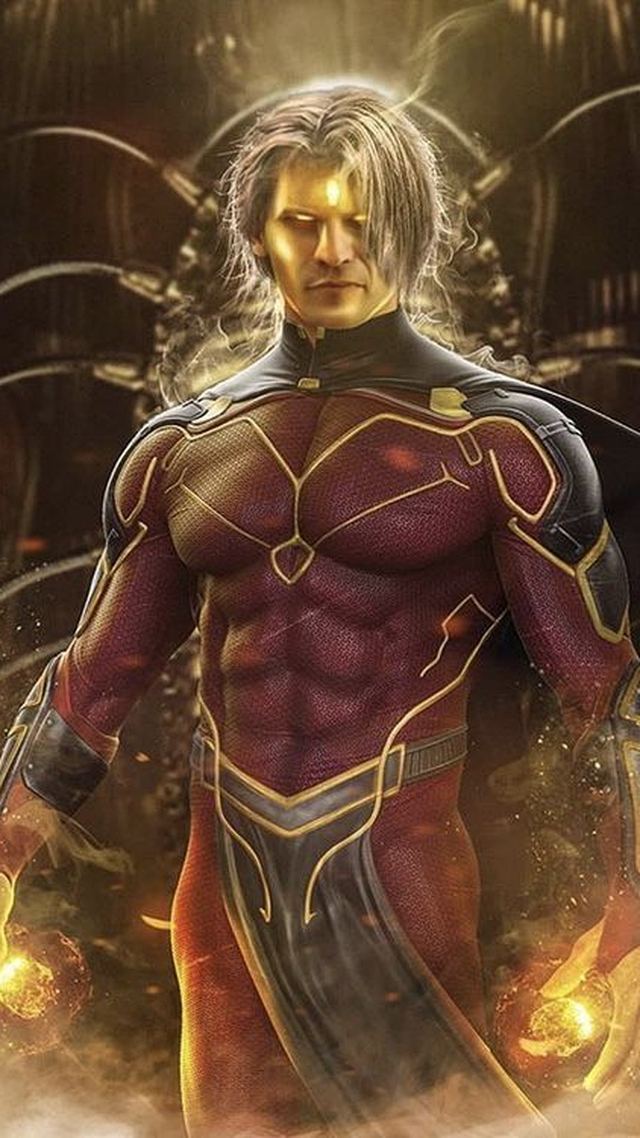
Adam Warlock
Adam Warlock
High Evolutionary
Herbert Edgar Wyndham
Catching up on the MCU? See where this fits on our full timeline.
Read next

Deadpool & Wolverine Easter Eggs: Every Cameo, Fox Callback And Void Deep Cut
A film built entirely out of references to films that no longer exist. Here is every verified cameo, Fox-era…
Avengers: Infinity War Easter Eggs: 20 Comic Nods And Hidden Details In Marvel's Darkest Film
From the Black Order's comic origins to the pager that ended the film, here are the Infinity War references that…

Thunderbolts* Easter Eggs: The Sentry's Comic Roots, The Watchtower And That Asterisk
Marvel's best-reviewed film of 2025 hid a title reveal in its own punctuation. Here are the comic references and…