Vulture's Salvaged Tech: Did Toomes Accidentally Help Build Doom's Tech?
Could Vulture's black-market alien tech from Homecoming have quietly reached Doctor Doom's supply chain? A speculative theory, clearly labeled as such.

MCU Villain Tech Has a Way of Coming Back
Marvel has a habit of letting old props become new plot points. A shield ends up behind museum glass. A staff gets locked away in a vault. A suit resurfaces on someone it was never built for. Across more than a decade of movies, almost nothing seized, scavenged, or stolen in one film stays gone for good, it just waits for a later script to drag it back into relevance. So when a movie spends its runtime on a black-market dealer selling unregulated alien hardware, and never accounts for where every last piece ended up, fans start connecting dots.
That is the itch behind a theory circulating ahead of Doctor Doom's MCU debut: what if Adrian Toomes, entirely by accident, sold pieces of the same category of alien-grade technology that eventually helped arm Doom himself? To be upfront immediately, this is speculation from start to finish. Nothing in Spider-Man: Homecoming, nothing in any confirmed Marvel Studios material, and nothing revealed about Doom's MCU introduction connects his technology to a small salvage crew in Queens. But speculation is half the fun of following this franchise, and this chain of dots is too tempting not to sketch out, with every guess labeled as a guess.
- Chitauri energy weapons, the exact category of alien hardware Toomes is shown salvaging throughout Spider-Man: Homecoming.
- Sokovia-era battle debris, the second confirmed source his crew scavenges in the same film.
- Stark-adjacent prototypes and leftover gadgets that keep resurfacing in unexpected hands across the franchise.
- Weapons and tech that quietly vanish from one movie's plot only to explain a gadget, an upgrade, or a villain's arsenal several films later.
What the Vulture Actually Sold in Homecoming
Strip away the theorizing for a second and look at what Spider-Man: Homecoming actually shows on screen. After the Chitauri invasion of New York, Tony Stark's newly formed Department of Damage Control muscles into the cleanup business, and that decision costs Adrian Toomes and his small salvage crew their government contract overnight. Rather than walk away from years of work, Toomes and his team keep operating anyway, quietly gathering leftover alien hardware from the Chitauri invasion and, later, debris from the Sokovia incident, using whatever cover and access they can hang onto.
Toomes doesn't just resell scrap metal. He reverse-engineers the material into functioning, weaponized technology, energy weapons, flight systems, and his own signature wing harness, then sells that gear to criminals and other buyers around New York. It is an inventive small-scale arms operation built on material nobody in the confirmed MCU timeline has fully accounted for. Peter Parker eventually uncovers the operation, disrupts Toomes' biggest deal at the Staten Island Ferry, and stops him during a cargo-plane heist gone wrong. Toomes is arrested in the film's final act, confirmed and not up for debate.
Why Alien Battle Debris Is the Perfect Black-Market Commodity
Here's the part of the theory that doesn't require a leap of faith. Alien battle technology of the kind Toomes salvaged is, by nature, some of the most attractive contraband imaginable for anyone building power without paperwork. It has no manufacturer to trace and no patent tying it to a source. It was never built on Earth, so no regulatory body is equipped to track it once it leaves a battlefield. And unlike conventional weapons, it does things nobody else's arsenal can replicate, which makes it valuable precisely because it is rare and unaccounted for.
For a dealer like Toomes, that rarity made the tech profitable. For a hypothetical foreign buyer trying to quietly out-tech every rival without leaving fingerprints, that same rarity would be close to irresistible. This is where the theory actually starts, not with anything Marvel has shown, but with a speculative observation: a secretive nation-state wanting advanced technology without a paper trail might sniff around the loose, unregulated edges of a black market exactly like this one. To repeat, nobody in the MCU has said this happened. It's a 'the pieces could fit' argument, not a confirmed plot thread.
The Theory: Did Toomes' Supply Chain Reach Doom?
Now for the actual theory, laid out plainly as speculation. Robert Downey Jr. is confirmed to play Doctor Doom in Avengers: Doomsday, arriving 18 December 2026, and again in Avengers: Secret Wars a year later. In decades of Marvel Comics continuity, Doom is written as a monarch, inventor, and hoarder of technology and sorcery alike, building power from whatever he can acquire, steal, or reverse-engineer, often from sources more advanced than Latveria's own. Whether the MCU version follows that pattern is genuinely unknown. But if he does, even loosely, this Doom would want a foothold in exactly the untraceable alien-tech market Toomes was running.
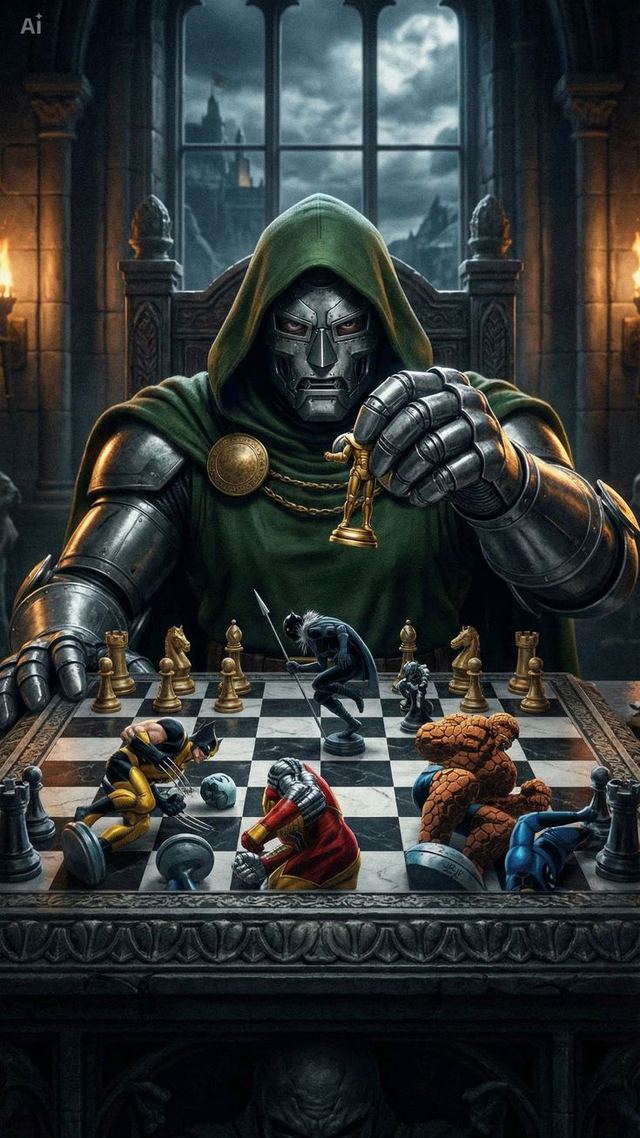
The speculative leap, and it is a leap, goes like this. Somewhere in the chain of buyers and middlemen Toomes dealt with before his arrest, already-sold inventory could have kept moving through the underground economy long after Spider-Man shut him down. Toomes never got the chance to reclaim every weapon he had sold, and gear changes hands, with middlemen answering to other middlemen. If even one broker in that web had a connection, however indirect, to interests tied to Latveria, then salvaged Chitauri or Sokovia-era hardware reaching Doom, or engineers working for him, is not an outrageous stretch. It is the kind of quiet connective tissue Marvel writers have built before, though nothing confirms it happened here.
Somewhere between a cargo plane over Coney Island and a throne room in Latveria, the theory goes, a scrap of salvaged Chitauri hardware just kept moving.
Mapping Toomes' Known Buyers
To see how plausible the theory really is, even in principle, it helps to lay out exactly who Toomes was shown doing business with on screen, and how much distance sits between each of those threads and anything resembling Latveria or Doom. Nothing in the right-hand column below is confirmed. It is purely where the speculation could theoretically wander if a future script ever wanted it to.
| Buyer or Thread | What Homecoming Confirms | Speculative Reach (Tier 3) |
|---|---|---|
| Local criminals and street buyers | Toomes sold weaponized alien tech to gang members and small-time criminals around New York | A dead end for a Doom theory; too small and too local to plausibly reach a foreign monarch |
| The unnamed cargo-plane buyer | Toomes' final deal, interrupted by Spider-Man, involved a large weapons handoff aboard a cargo plane bound for a buyer never identified on screen | The most-cited jumping-off point for this theory, since that buyer's identity and destination were never confirmed |
| Unrecovered inventory after the arrest | Toomes is arrested, but the film never shows every previously sold weapon being recovered or accounted for | Already-sold gear could theoretically keep changing hands for years, entirely off screen |
| The wider network the film implies | Homecoming implies Toomes had standing relationships with buyers beyond the ones shown directly on screen | An unnamed broker somewhere in that wider web is the most likely, still entirely invented, route to a Latverian connection |
Even in the most generous reading, the strongest thread here is the cargo-plane buyer, mostly because that deal is the one Homecoming leaves most deliberately open-ended. Every other buyer in Toomes' documented history is small-scale and local, which makes them narratively uninteresting as a path toward Doctor Doom. The unnamed buyer is the only loose end with real dramatic potential, and even that is a stretch dressed up as a theory rather than a confirmed plot beat.
Where the Doom Connection Gets Speculative
What Doom's Comics History Suggests
In the source material, Doom has spent decades absorbing power from wherever he can find it: mystical artifacts, stolen Reed Richards prototypes, alien technology recovered from half a dozen cosmic incidents. He is defined partly by his refusal to build only from Latverian resources when something better exists elsewhere. If the MCU leans into that characterization even slightly, and there is no confirmation either way, a black-market pipeline of unregulated alien salvage is precisely the sort of resource a comics-accurate Doom would be drawn to.
What the MCU Has Actually Confirmed (Which Is Nothing)
Here is the honest caveat. Nobody outside Marvel Studios currently knows how Avengers: Doomsday plans to explain Doom's technology, or whether the film addresses that question at all. Doom could just as easily be shown building everything from Latverian science alone, no salvaged parts required. He might inherit tech from a different corner of the timeline, closer to the aftermath of Avengers: Infinity War, or an angle nobody has guessed. The film might not address it in detail, the same way plenty of MCU villains show up fully formed with no supply-chain explanation attached.
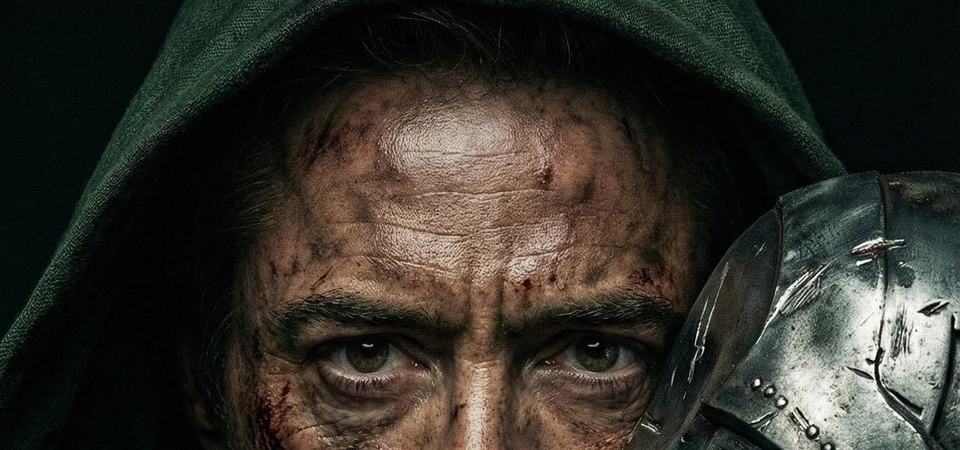
What makes the Toomes theory fun rather than far-fetched is that it plugs a real, noticeable gap instead of inventing one from nothing. Homecoming genuinely never resolves where the rest of Toomes' inventory went, an honest loose end, which is exactly why fans reaching for Doom's introduction as a destination for it is not a totally random guess. It is still a guess, though, a fairly large one. For more on how the character is being framed, try a beginner's primer on Doctor Doom and an explainer on what Avengers: Doomsday is actually about, and for how these background threads tend to pay off, there is how MCU incursions have been explained so far, since Doom's arc is expected to tie into that same multiversal machinery.
The Honest Counter-Argument: He Got Arrested
Now the reality check, which deserves just as much space as the theory itself, if not more. Toomes was caught. He was arrested at the end of Spider-Man: Homecoming, and nothing in confirmed MCU material since has shown him running an operation from behind bars, striking deals with foreign buyers, or maintaining any active pipeline once Spider-Man shut him down. Whatever tech was in his possession at the moment of his arrest presumably went into evidence lockup, not into anyone's private armory.
More importantly, there is zero on-screen evidence, none, connecting any of Toomes' buyers to Latveria, to Doctor Doom, or to anything resembling the character's eventual technology base. Everything beyond the recap of Homecoming is invented for the theory, built from thematic resonance rather than any plot evidence. Marvel has not linked these threads in any confirmed way, and there is a real chance Avengers: Doomsday never even gestures at where Doom's technology originated, since plenty of MCU films skip that kind of explanation entirely.
It is also worth remembering that Doom, across decades of comics continuity, is usually depicted as someone who builds and refines his own technology obsessively, blending Latverian science with sorcery, rather than someone who needs salvaged street-level hardware from a New York arms dealer to get by. That does not rule the theory out entirely, since Tony Stark's technology has crossed paths with plenty of unlikely sources over the years, but it is a real point against it, and one this piece is not going to pretend does not exist.
Watch the Theory Play Out in Doomsday
None of this gets settled by reading theory pieces. It gets settled, or more likely quietly ignored, whenever Avengers: Doomsday opens on 18 December 2026, with Robert Downey Jr. stepping into the role of Doctor Doom for the first time, followed by Avengers: Secret Wars roughly a year later. Maybe the film spends thirty seconds explaining where Doom's arsenal came from. Maybe it never comes up at all, and this theory stays exactly what it is right now: a speculative bit of connective tissue between two corners of the MCU that have never been officially linked.
For a broader sense of where the character and the film are actually headed, a beginner's guide to Doctor Doom and a ranking of the best MCU villains are both good places to start before the December release. Either way, Toomes' junkyard empire and Doom's Latverian ambitions make for a genuinely fun what-if, and it is exactly the kind of loose thread Spider-Man fans tend to get rewarded for noticing, even when, as always with a theory this speculative, the honest answer is that nobody knows yet.
Frequently asked
Is there an official Marvel connection between Vulture's salvaged tech and Doctor Doom?
What exactly did the Vulture sell in Spider-Man: Homecoming?
Will Avengers: Doomsday explain where Doctor Doom's technology comes from?
Is Adrian Toomes confirmed to appear in Avengers: Doomsday or Secret Wars?
Why do fans think alien battle debris could have reached Doctor Doom?
When can fans see how this Spider-Man Doomsday connection theory actually plays out?
Characters in this story
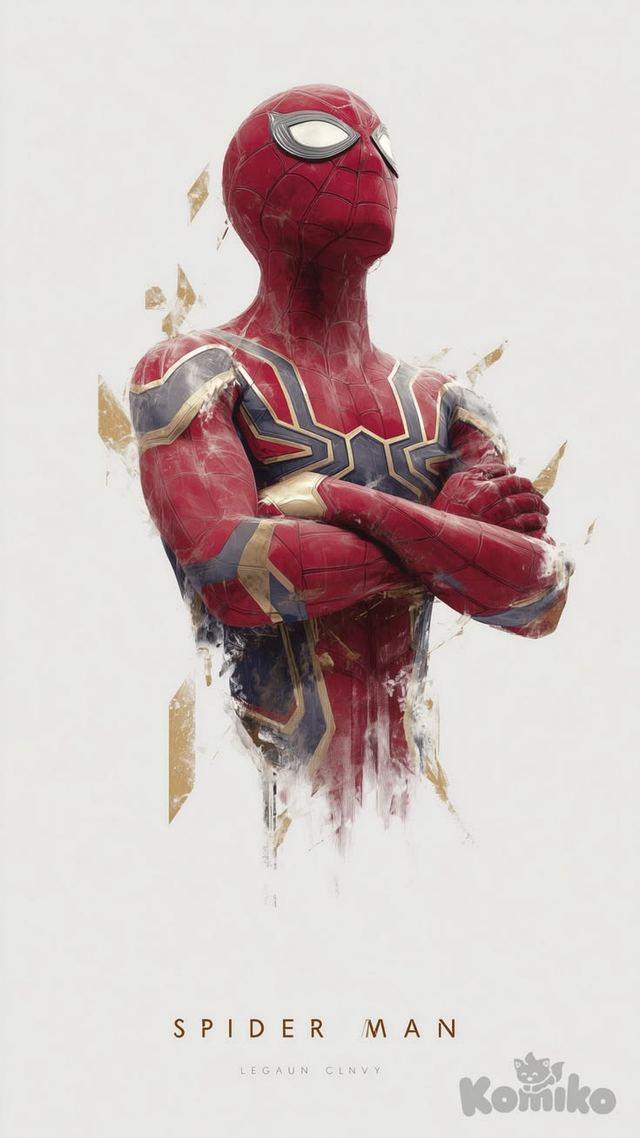
Spider-Man
Peter Benjamin Parker
Vulture
Adrian Toomes
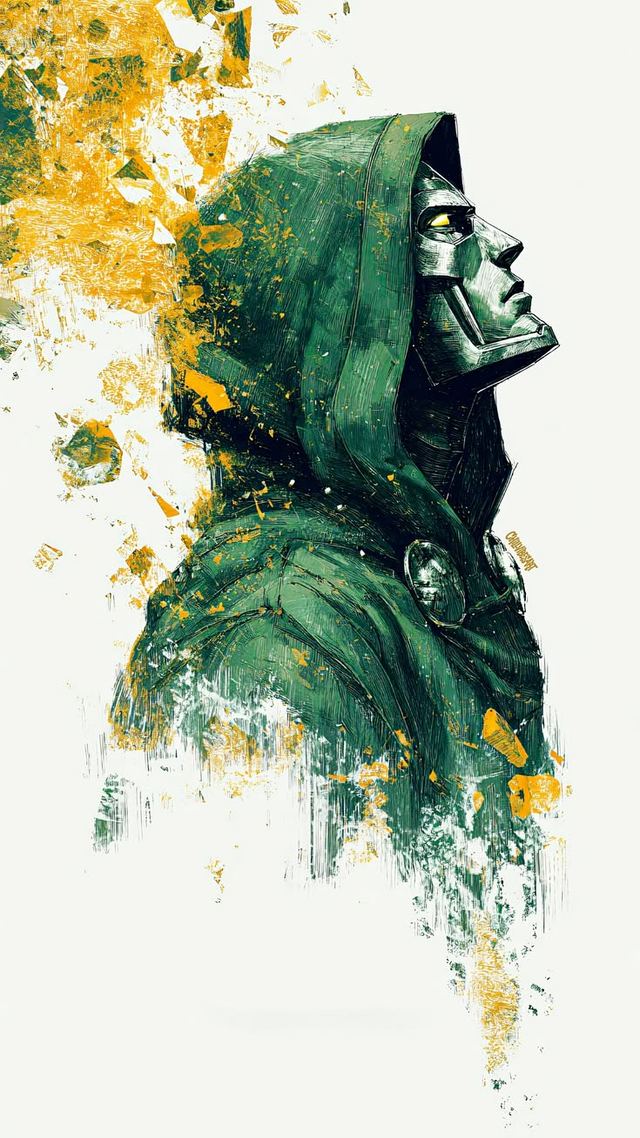
Doctor Doom
Victor von Doom
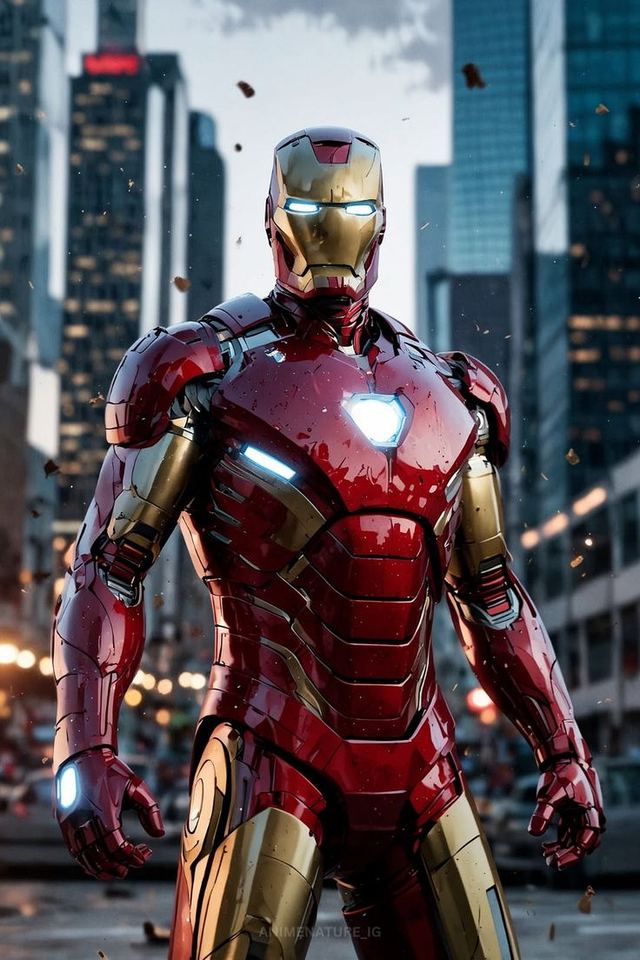
Iron Man
Anthony Edward Stark
Catching up on the MCU? See where this fits on our full timeline.
Read next
Doctor Doom: The Complete Beginner's Guide Before Avengers: Doomsday
Marvel is handing its whole franchise to a man in an iron mask this December. Here is everything a newcomer needs…

What Is Avengers: Doomsday About? The Confirmed Story, Cast And December 2026 Release
Marvel's next Avengers film lands 18 December 2026. Here is exactly what the studio has confirmed about the story…
The 15 Best MCU Villains, Ranked By How Badly They Broke Our Heroes
A great villain is not a great fight — it is a great argument the hero cannot answer. Fifteen MCU antagonists…