Sokovia Accords 2.0: How Incursions Destroyed Global Politics
Civil War's Accords fight could look small next to what incursions might unleash. A speculative look at a possible Accords 2.0 ahead of Doomsday.
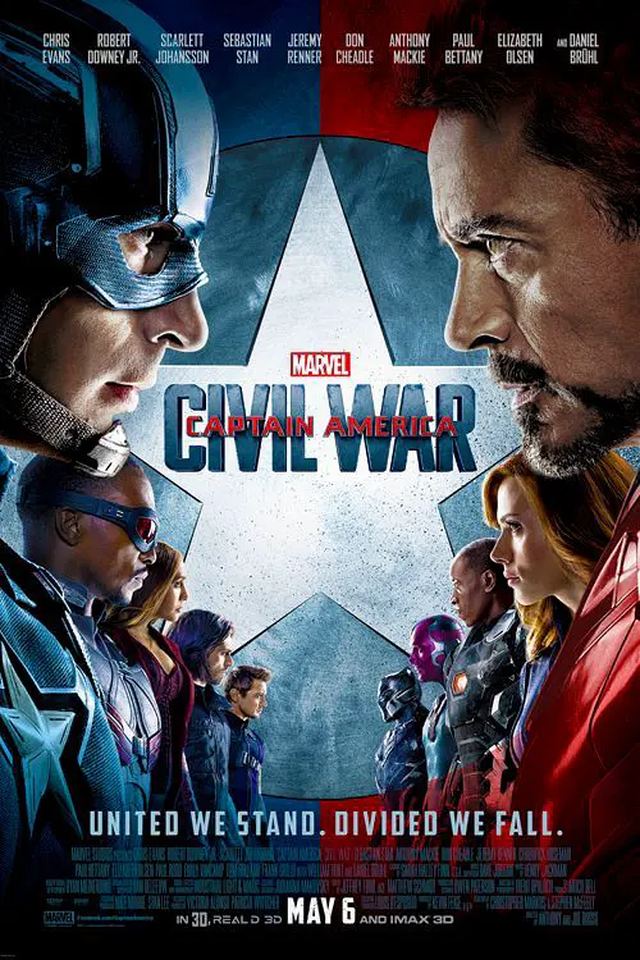
In 2016, a stadium full of politicians, a shaky news report out of Lagos, and one furious Wakandan king were enough to blow the Avengers apart. Captain America: Civil War turned the question of whether superheroes should answer to anybody into the defining fight of an entire era of the MCU. Now picture that same argument again, except instead of a building coming down in Sokovia, an entire universe is gone. That escalation, purely speculative and built from dots Marvel Studios has not officially connected, is the engine behind this theory: a harsher, more panicked sequel to the Sokovia Accords, arriving not because of collateral damage but because reality itself apparently has a breaking point.
The Fight That Never Really Ended
Every few years, the MCU circles back to some version of the Accords fight, even when the word "Accords" never gets said out loud again. It is baked into how Steve Rogers, Tony Stark, and everyone around them argued about power and responsibility. This piece is not a report on anything confirmed for Avengers: Doomsday. It is a Tier 3 theory, meaning it is speculation stacked on speculation, built from real, confirmed pieces of MCU lore and stretched toward a conclusion nobody at Marvel Studios has stated. Treat everything past this paragraph as a "what if," not a "here is what happens."
What the Sokovia Accords Actually Were
Strip away the theory for a second and look at what actually happened on screen. The Sokovia Accords were a real, UN-backed legal framework introduced in Captain America: Civil War. They required any enhanced individual, anyone with powers or specialized combat skills operating as part of a team like the Avengers, to register with the United Nations and act only with government approval. This was not a metaphor or a subplot invented by fans. It was the actual plot engine of the film, and it came from a real place in the story: years of city-leveling battles that governments had simply stopped tolerating.
Lagos, Sokovia, and the Breaking Point
The Accords existed because of two specific, on-screen disasters. The first gave the Accords their name: the leveling of Sokovia during the fight against Ultron. The second, more immediate one was Lagos, where a mission led by Captain America ended with Wanda Maximoff accidentally causing an explosion that killed several Wakandan humanitarian aid workers. That single incident hardened Wakanda's stance against unchecked Avengers activity and set Black Panther on his own collision course with the team. From there, 117 countries signed on, and the Avengers split into two camps: Stark's pro-Accords group, and Rogers' resistance, which believed government committees would eventually misuse or restrict their ability to act when it mattered most.
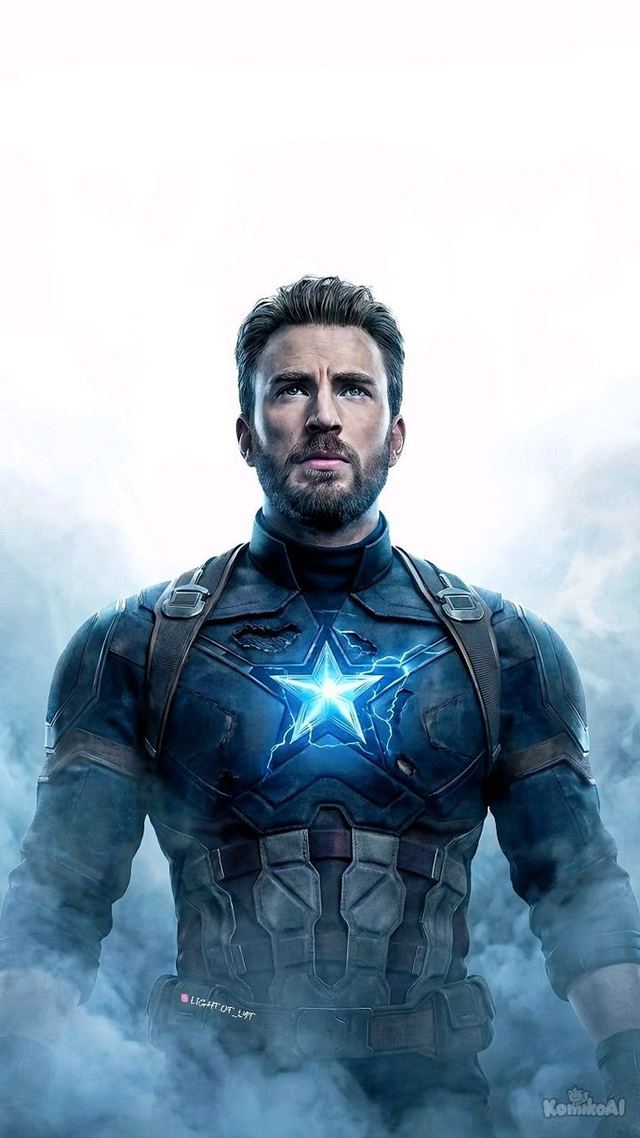
By the end of Civil War, the Avengers were shattered. Stark and his allies operated inside the new system; Rogers went underground with Sam Wilson, Natasha Romanoff, and others rather than sign away their autonomy. The point of revisiting all this is simple: the Accords were never really resolved so much as overtaken by bigger threats, first Thanos, then the multiverse. The underlying argument, who gets to decide what a powered person is allowed to do, never actually went away.
Incursions: A Threat That Makes Sokovia Look Small
Incursions are also confirmed MCU material, not theory. Doctor Strange in the Multiverse of Madness introduced the concept directly: when two universes touch, the collision destroys one or both of them. The film backed this up visually, showing a dead, rubble-filled universe as proof that at least one incursion had already happened somewhere in the multiverse. On screen, the causes were dreamwalking between realities and reckless, uncontrolled universe-hopping, the kind Doctor Strange and America Chavez got tangled up in. For a deeper breakdown of how the mechanic actually works, this explainer covers it in more detail.
- Scale: Sokovia and Lagos killed dozens of people in isolated incidents. An incursion, by the MCU's own on-screen definition, can erase an entire universe, everyone and everything in it, in a single event.
- Legibility: governments in 2016 could point to specific enhanced individuals as the variable they wanted to control. Incursions implicate anyone capable of multiversal travel, dreamwalking, or reality-adjacent magic, a much blurrier and more frightening category to legislate.
- No clean fix: registering with a UN panel is a bureaucratic solution to a bureaucratic-shaped problem. Nobody in the MCU has shown a comparable fix for two universes physically colliding.
- Visible proof: the Accords were argued over collateral damage that people could still debate. A dead universe, if governments somehow became aware of one, is not really debatable in the same way.
None of that is confirmed to be how Avengers: Doomsday actually handles its politics, to be clear. It is extrapolation, laid out here to explain why this theory assumes a public and political reaction well beyond anything seen in 2016.
The Theory: Sokovia Accords 2.0
Here is the actual theory, and it is worth repeating up front that this is Tier 3 speculation, the most speculative tier this site uses. Nothing below has been confirmed by Marvel Studios in a trailer, script leak, or official statement. The idea: as evidence of incursions and multiversal collision becomes impossible for governments to keep quiet, a new and considerably harsher round of Accords-style oversight legislation gets forced onto whichever heroes are left standing. Where the original Accords came from measured, if tense, political debate after Lagos, this version would be driven by outright panic, the kind of reaction governments have when they realize the sky itself might not be a fixed boundary anymore.
The connective tissue that makes this theory feel plausible, even though it remains unconfirmed, is Avengers: Doomsday itself. The film is built around heroes from three distinct universes colliding, which is about as on-the-nose an incursion trigger as the franchise could stage. A closer look at that three-universe structure lays out what has actually been confirmed about the setup. If that collision plays out anything like Multiverse of Madness suggested it would, the fallout would be hard for any government in the MCU to wave away, which is exactly the gap this theory tries to fill with speculation of its own.
Nobody legislates calmly when they think the universe next door just ended and theirs could be next. Panic writes messier laws than committees do.
The Stark Argument, Supercharged
Tony Stark's case for the Accords in 2016 was built on guilt as much as logic. He had helped create Ultron, he had watched Sokovia fall, and he argued that unchecked power, even well-intentioned power, eventually causes harm nobody voted for. Roughly: if we cannot accept limitations, we are no better than the people we fight. It is the argument every pro-oversight MCU character has echoed in some form since. This theory assumes a version of that argument returns, louder and less patient, once incursions are on the table.
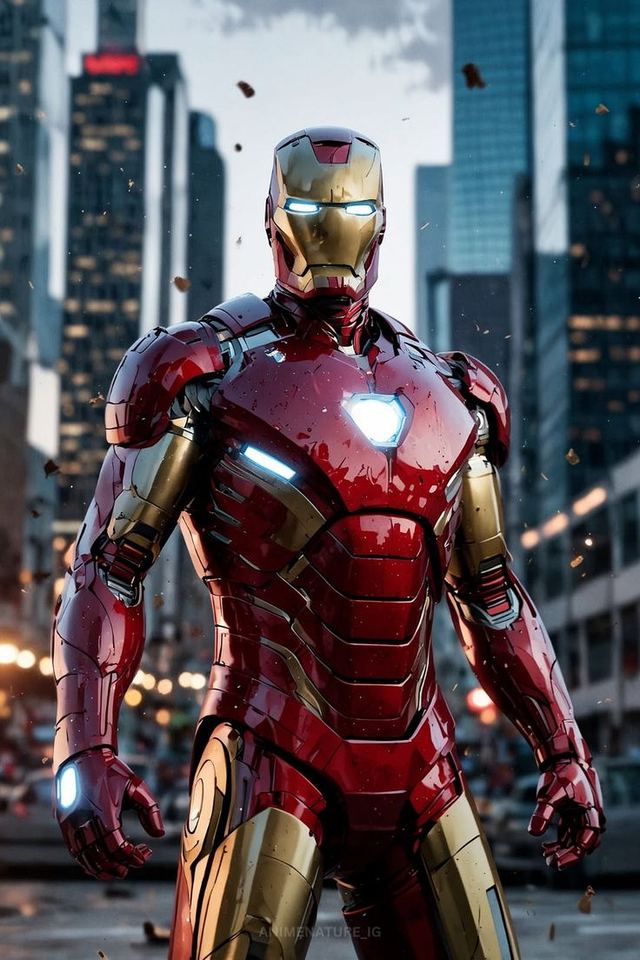
Who actually makes that argument in Doomsday, if anyone does, is unknown, and that is worth stressing again. Stark is dead, so the character is not walking back into a senate hearing to make the case himself. What is genuinely interesting, and purely a coincidence rather than evidence of anything, is that Robert Downey Jr. returns to the franchise playing Doctor Doom rather than Iron Man, a villain rather than the hero who once made the oversight argument. Whether the film uses that irony on purpose is anyone's guess, and this theory does not assume it does. It is simply a detail worth noticing while speculating about how a new oversight push might be framed, and who might be left to argue for or against it.
What a Panic-Driven Oversight Regime Could Look Like
If a new set of Accords-style rules did emerge from incursion panic, purely as a matter of speculation, the most obvious template is the one already on screen. The original Accords worked through a UN oversight panel, mandatory registration for enhanced individuals, and approval requirements before deployment, with refusal treated as a legal violation rather than a personal choice. A panic-driven sequel could scale that same structure up rather than invent something unrecognizable, which is part of why the theory is worth entertaining even without confirmation.
| Element | Original Sokovia Accords (2016, confirmed) | Speculative Accords 2.0 (theory only) |
|---|---|---|
| Governing body | UN oversight panel | Expanded international coalition, purely speculative |
| Triggering event | Sokovia and Lagos collateral damage | Public incursion evidence, not confirmed on screen |
| Who gets regulated | Enhanced individuals on teams like the Avengers | Anyone tied to multiversal travel or reality-level magic, theory only |
| Enforcement | Registration, approval, the Raft for violators | Unknown, assumed harsher by this theory |
| Public mood driving it | Cautious, actively debated concern | Outright panic, per this theory |
Every entry in that right-hand column is invented for this piece. None of it reflects a leaked script, trailer footage, or Marvel Studios announcement. It is a template exercise: take the structure audiences already understand from Civil War and imagine it under worse, more frightened conditions.
The Chris Evans Wildcard
One detail complicates this whole theory more than any other: nobody knows exactly who Chris Evans is playing in Avengers: Doomsday. His presence in the cast is confirmed. His role is not. It could be Steve Rogers returning as Captain America, which would hand the anti-oversight argument straight back to the character who carried it in 2016. It could just as easily be the Human Torch, a completely different character with no history in the Accords debate at all. The speculation and debate around his casting has been running hot since the news broke, and Marvel Studios has not resolved it either way as of this writing.
That uncertainty matters a lot to this theory specifically. If Evans is back as Steve Rogers, the Civil War incursion impact angle almost writes itself: the same moral center returns to argue against a harsher, angrier version of the government overreach he resisted before. If he is playing the Human Torch instead, that throughline simply does not exist in the same way, and whatever anti-oversight argument the film makes, if it makes one at all, would have to come from someone else entirely, or not happen on screen at all. Either way, this is speculation layered on speculation, and it is worth being honest about that rather than pretending a certainty that does not exist.
Why This Matters Before Doomsday Arrives
None of this is a prediction so much as a framework for watching Avengers: Doomsday with sharper eyes. The confirmed pieces are real: the Sokovia Accords happened, incursions are a defined MCU threat, and Robert Downey Jr. is playing Doctor Doom in a film built around three universes colliding. What governments do with that information, whether Civil War's old political fault lines resurface at all, and whether anything resembling a Sokovia Accords Doomsday storyline actually appears on screen, is entirely unknown until the film arrives. A broader breakdown of what is actually confirmed for the film is worth a read heading into release.
Avengers: Doomsday hits theaters on December 18, 2026, with Avengers: Secret Wars following about a year later. Whether any of this panic-driven oversight theory holds up is something every viewer gets to check for themselves in a few months. Until then, it remains exactly what it started as: an entertaining, clearly labeled piece of speculation about how far a franchise might push its favorite political argument once the stakes go multiversal.
Frequently asked
Will Avengers: Doomsday actually introduce a new version of the Sokovia Accords?
What are incursions and how do they connect to Civil War's politics?
Is Chris Evans confirmed to play Captain America in Doomsday?
Why would incursions cause a bigger political reaction than the original Accords?
Is Robert Downey Jr. returning as Iron Man in Doomsday?
When does Avengers: Doomsday come out?
Characters in this story
Captain America
Steven Grant Rogers
Iron Man
Anthony Edward Stark
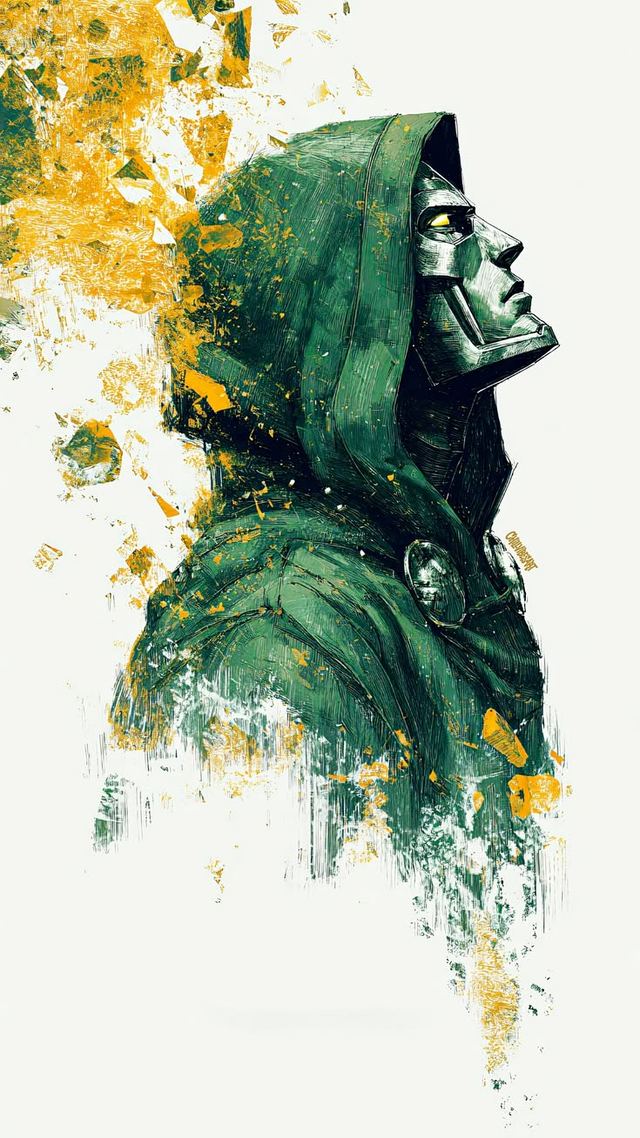
Doctor Doom
Victor von Doom
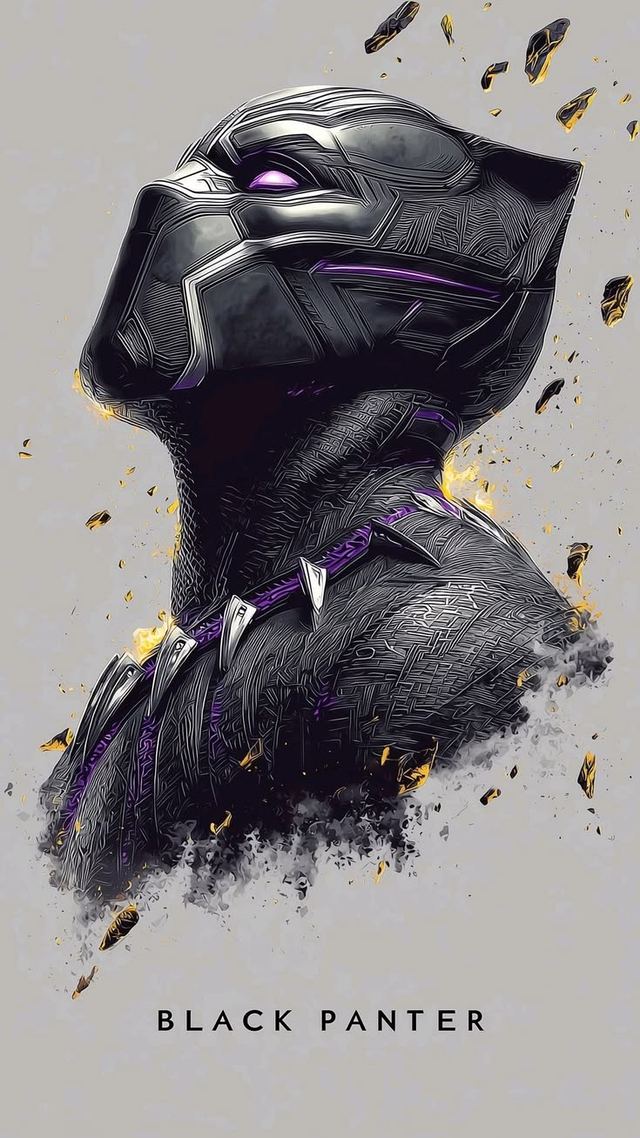
Black Panther
T'Challa
Catching up on the MCU? See where this fits on our full timeline.
Read next
Incursions Explained: How Two Universes Kill Each Other in the MCU
The MCU's deadliest mechanic has been on screen since 2022 and most viewers still cannot define it. Here is exactly…
What Is Avengers: Doomsday About? The Confirmed Story, Cast And December 2026 Release
Marvel's next Avengers film lands 18 December 2026. Here is exactly what the studio has confirmed about the story…
The Hydra Cap Rumour Has Split The Fandom: Why Secret Empire Keeps Getting Attached To Doomsday
Credibility read: NO EVIDENCE, LOUD ARGUMENT. Chris Evans is confirmed for Doomsday. His role is not. Here is why…