Peter Parker's Bedroom, Decoded: The Props That Are Really There And The Comic Covers That Are Not
Peter's room is one of the most screenshotted sets in superhero cinema, and half of what the internet claims is in it is not. Here is the verified inventory.
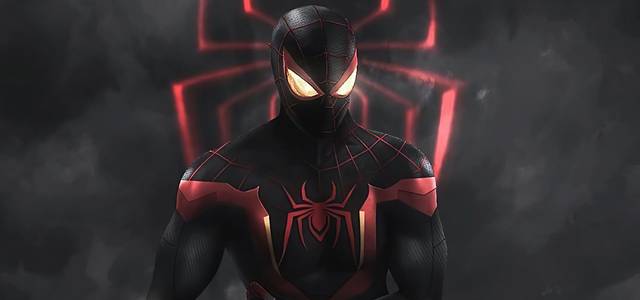
Peter Parker's bedroom has been an object of fan archaeology since 2002, and it has become one of the internet's most reliable sources of confidently wrong information. Whole threads circulate identifying specific Amazing Spider-Man covers pinned to his walls, and a large proportion of them cannot be supported by anything visible on screen. This piece separates what is verifiably in the room from what people have decided is in the room.
Start with the address
In the comics, the Parkers live at 20 Ingram Street in Forest Hills, Queens, a suburban house that has been drawn consistently since the 1960s. Both the Sam Raimi and Marc Webb film series kept that structure: a two-storey house with a porch, an attic-adjacent bedroom and a lawn. The MCU broke it. Homecoming relocates Peter and May to an apartment in a Queens block, and that single change does more character work than any prop.
- A house implies inherited stability. Uncle Ben's absence in the MCU is partly conveyed by the fact that there is no house left to be absent from.
- The apartment forces Peter and May into the same rooms constantly, which is why the MCU's Peter is caught changing far more often than his predecessors.
- A shared corridor and a fire escape are why his comings and goings are visible to neighbours, including the one Stan Lee plays.
- By No Way Home he is in Happy Hogan's condo, then in a rented studio, a downward property ladder that tracks the film's ending precisely.
What is genuinely in the MCU room
| Prop | Film | Why it matters |
|---|---|---|
| The Lego Death Star | Spider-Man: Homecoming | Built with Ned; a real retail Lego set, and it establishes their friendship in one shot |
| The improvised web-shooter workbench | Homecoming | Peter's tech is homemade even while wearing a Stark suit, which is the film's whole conflict |
| The suit hidden in the ceiling | Homecoming | The concealment logic of a boy with no private space |
| The vintage computer rebuild | Captain America: Civil War | Peter is introduced repairing salvaged electronics, establishing he is poor and gifted |
| The dumpster-sourced parts | Civil War | May notes his habit of bringing home other people's discarded machines |
Civil War's bedroom scene is the most efficient character introduction Marvel has ever staged. Tony Stark walks into a cramped room, finds a teenager surrounded by other people's rubbish that he has turned into working machines, and understands the entire pitch. There is no poster on the wall doing that work.
The most important object in Peter Parker's bedroom is not a comic cover. It is a computer somebody else threw away.
The Raimi and Webb versions
Raimi, 2002
Tobey Maguire's Peter has an attic-adjacent room in the Forest Hills house with a microscope, science-fair detritus and photographic equipment, which sets up his Daily Bugle career. The window is positioned so he can leave without using the front door, a piece of blocking every subsequent Spider-Man film has copied.
Webb, 2012
Andrew Garfield's Peter is a skateboarder with a darkroom instinct and a room defined by his father's absence. The briefcase and the hidden papers are the room's actual subject; the set is dressed to be searched rather than lived in.
Into the Spider-Verse, 2018
Into the Spider-Verse gives Miles the most designed bedroom in any Spider-Man film, a Brooklyn room full of music, stickers and his own art, and it is the one case where the walls genuinely are the character. The film is explicit about this: Miles' visual language is graffiti, and the room is where it starts.
The comic-cover claim, examined
Here is the honest position. Screenshots circulate claiming that specific Amazing Spider-Man issues, usually Amazing Fantasy #15 and various Ditko-era covers, are pinned in Peter's MCU bedroom. We could not verify any of them at available resolution, and Marvel's production team has not published set-dressing inventories for those rooms. Several of the images used as evidence are traceable to other sources entirely, including promotional art and the Insomniac Spider-Man games, which do feature readable comic covers as collectibles.
- Unverified: named Amazing Spider-Man covers on the MCU bedroom walls.
- Unverified: a claimed Daily Bugle front page visible in Homecoming's bedroom scenes.
- Verified elsewhere: readable comic covers do appear as in-game collectibles in the Insomniac games, which is where many circulating screenshots originate.
- Verified on screen: the Lego Death Star, the salvaged computer, the workbench, the ceiling stash.
This matters more than it sounds. Easter-egg lists are only worth reading if the person writing them is willing to say what they could not confirm, and Peter's bedroom is the single most common place where Spider-Man easter-egg content goes wrong.
What to actually look for on a rewatch
Ignore the walls. Watch the doors. Every MCU Peter Parker scene set at home is blocked around who can enter without knocking, and the running gag of May walking in becomes the emotional hinge of No Way Home. By the end of that film Peter has a room nobody will ever walk into unannounced again, because nobody knows he exists. The set design finishes the story the plot started.
For the film's full reference list see our No Way Home easter egg breakdown, and the ending explained covers what that final apartment actually means. For the suits rather than the rooms, the costume deep dive has the details.
Frequently asked
What is Peter Parker's address in the comics?
Are there real comic covers on the wall of Peter's MCU bedroom?
What Lego set do Peter and Ned build in Homecoming?
Why does the MCU put Peter in an apartment instead of a house?
Characters in this story
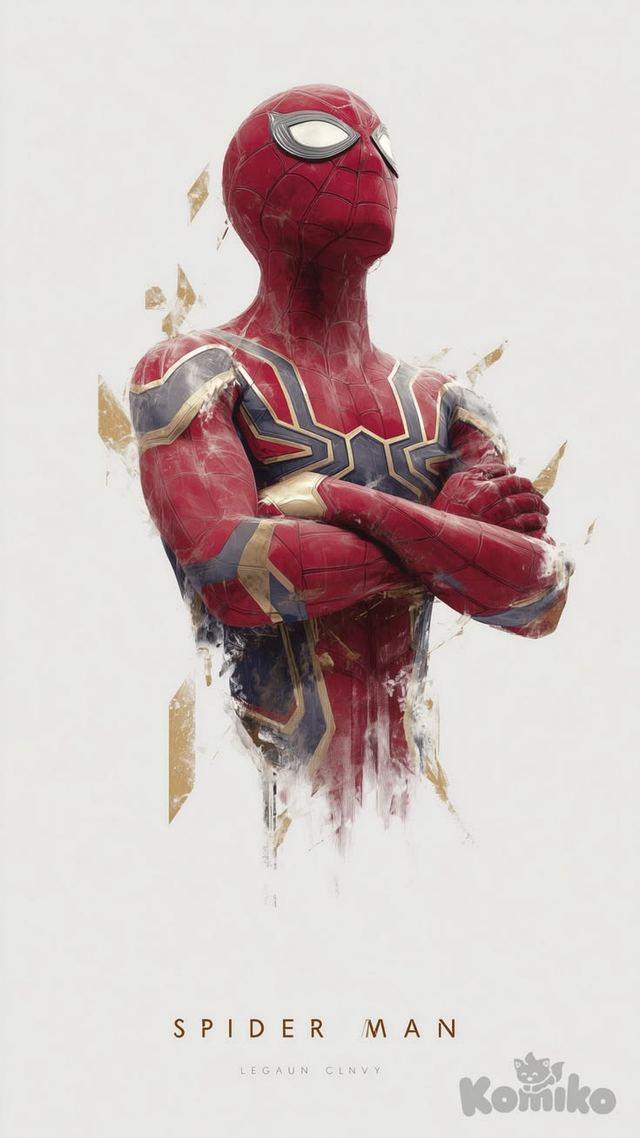
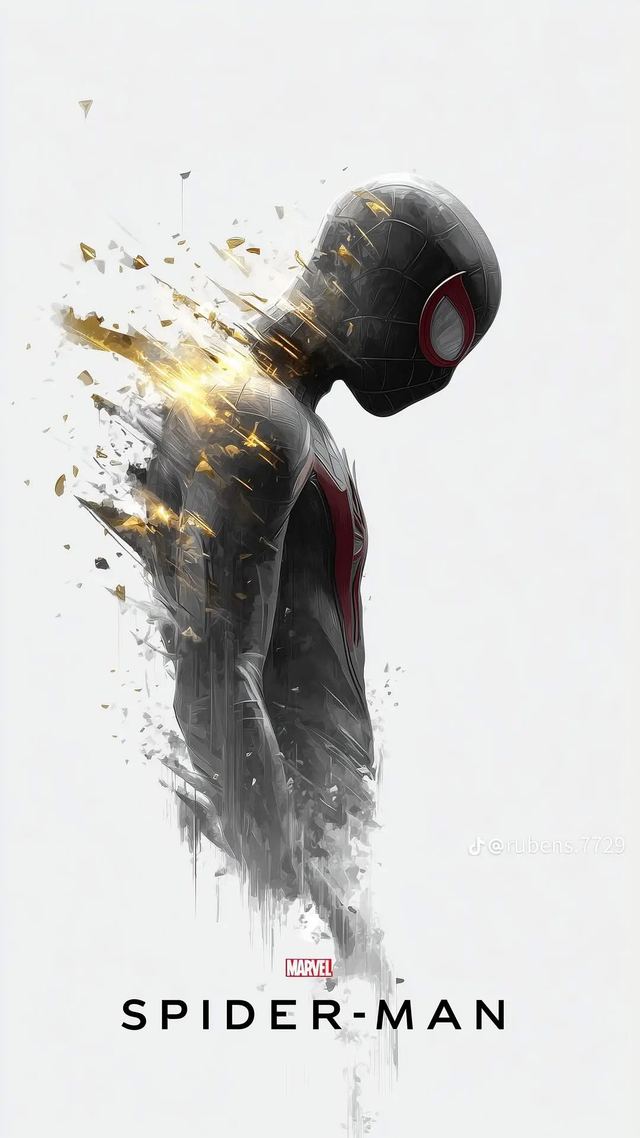

Catching up on the MCU? See where this fits on our full timeline.
Read next
Spider-Man: No Way Home Easter Eggs: 22 References Across Three Spider-Franchises
Three Peters, five villains and two decades of Spider-Man film history. Here is every verified callback packed into…

MCU Costume Details You Missed: What Fifteen Years Of Superhero Tailoring Is Actually Telling You
Cap's Endgame suit is a greatest-hits compilation. Spidey's last suit has visible stitching. Marvel's costume…
Spider-Man: No Way Home Ending Explained: The Spell, The Erasure And What It Sets Up For Brand New Day
Everyone forgets Peter Parker exists, and he asks for it. Here is exactly how the final spell works, what it cost…