Why Stephen Strange is Responsible for the Doomsday Incursion
Doctor Strange already triggered one confirmed MCU incursion through dreamwalking and the Darkhold. Here is the case that he is the likeliest cause of Doomsday's too.
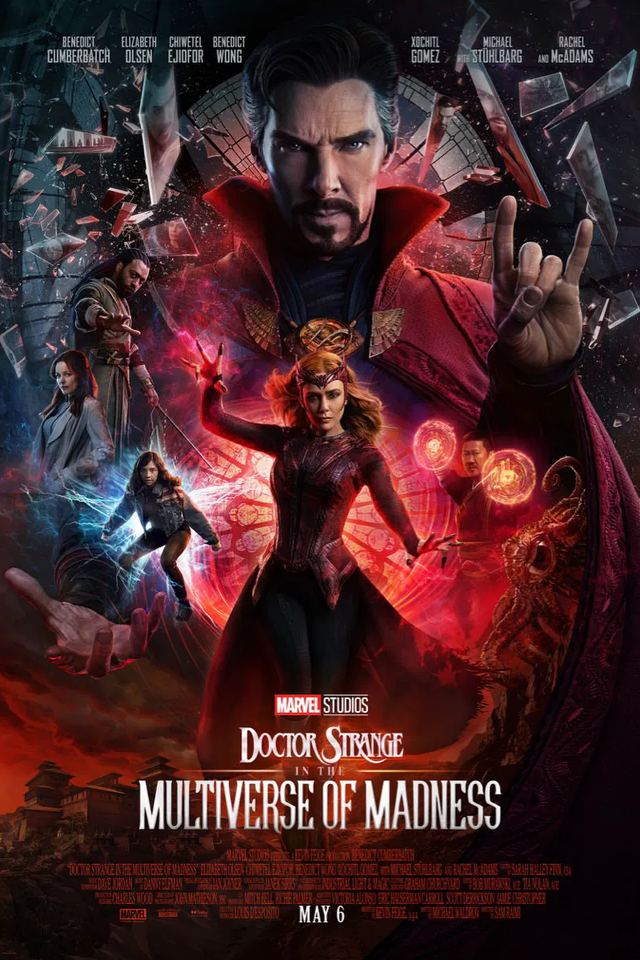
Every multiverse movie eventually produces a stack of incursion theories, and most of them lean on vibes: a trailer frame here, a vague non-answer at a press junket there. This one is different, because it does not need to invent a mechanism. Stephen Strange already demonstrated the mechanism on screen, in front of a tribunal made up of alternate versions of himself, and one of those versions was executed for it. Who specifically causes the incursion in Avengers: Doomsday is still guesswork. The method by which Strange could do it again is not.
Doctor Strange in the Multiverse of Madness did not just introduce incursions as a concept. It built its entire back half around one character's guilt for causing one, complete with a courtroom scene, a confession, and a sentence carried out on screen. That part is confirmed, Tier 1 fact, not a fan reading between frames. What this article argues on top of that is more speculative: that Earth-616's Strange, the one still walking around with the Darkhold's fingerprints on his hands, is the single most plausible name attached to whatever collision of three distinct universes Avengers: Doomsday is building toward. Treat that leap for exactly what it is, an educated guess dressed up in an unusually well-documented motive.
What Incursions Are, According to the MCU Itself
An incursion, in the MCU's own terms, is what happens when two universes get pulled into contact with each other. They do not settle in gently at the seam. One tears into the other, and the resulting collision is violent enough to end at least one of them, sometimes both. The mechanics behind how incursions actually work were laid out on screen for the first time in Multiverse of Madness, not in a comic tie-in or a press-tour aside.
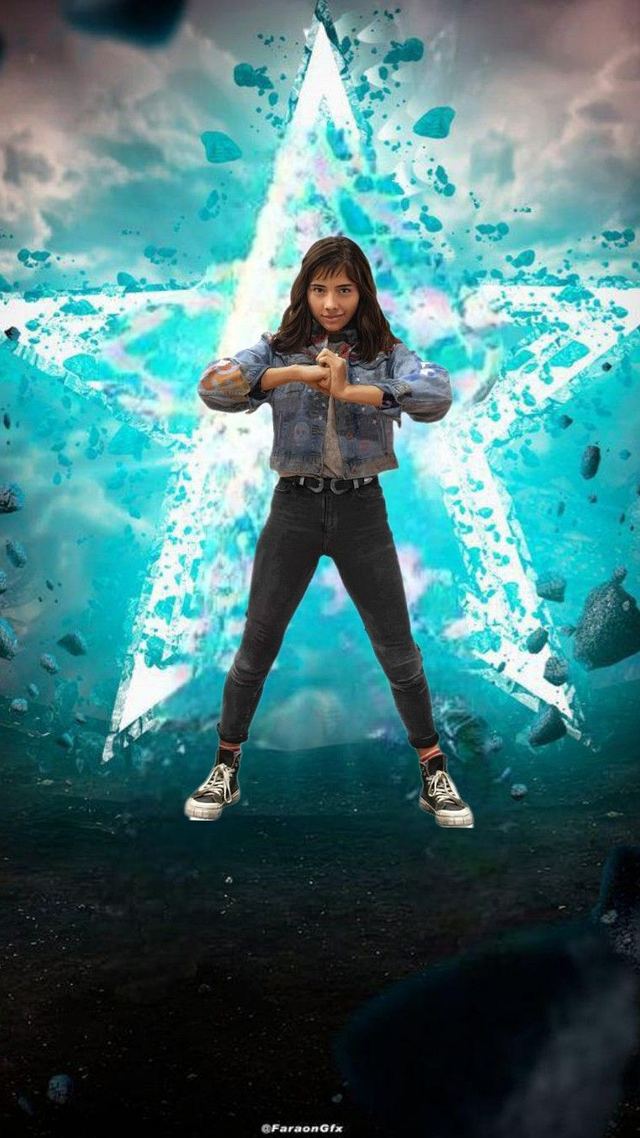
The film does not ask audiences to take the danger on faith, either. Strange and America Chavez fall through a dead universe mid-collision, a place reduced to floating debris and cold light, and the implication is blunt: this has already happened before, more than once, somewhere in the multiverse. By the time marketing for Doomsday started using the word incursion, the concept was not a hypothetical inside this franchise. It was a demonstrated fact of how its physics work.
The Two Causes the Film Actually Confirms (and a Third It Implies)
Multiverse of Madness does not leave the cause of an incursion vague, either. It hands the audience two concrete triggers, back to back, and gestures at a third without quite saying it out loud.
Dreamwalking: Possession Across Realities
The first is dreamwalking, a spell described in the Darkhold that lets a witch or sorcerer possess their own body in another universe, effectively hijacking a variant's life and physical form from across the multiverse. Wanda Maximoff uses it across most of the film's runtime, first to hunt America Chavez and later, more disturbingly, to try walking into a version of the family she lost. The Darkhold does not frame the spell as a gray area. It frames it as forbidden, the kind of magic that corrupts whoever casts it and destabilizes whatever it touches.
Uncontrolled Universe-Hopping
The second cause belongs to America Chavez herself. Her star-shaped portals are real and powerful, but for most of her life they have fired without her control, flinging her and anyone nearby into random universes whenever her fear spikes. Multiverse of Madness treats that lack of control as dangerous in its own right, separate from anything Wanda does with the Darkhold, a second and distinct way for the walls between realities to get punched through carelessly rather than deliberately.
A third cause is never spelled out in a line of dialogue, but the film leans on it anyway. Every trip through the multiverse happens through the same handful of overused doorways, and the sheer number of crossings by the film's end suggests a boundary that gets thinner every time it is crossed, whether or not anyone means harm by it. That third cause stays implied rather than confirmed, which is worth remembering before anyone builds too much of a theory on top of it.
Why Dreamwalking Is a Stephen Strange-Shaped Problem
Here is where the theory stops being purely about what the Darkhold can do and starts being about who Stephen Strange has always been. Dreamwalking is not a random ability that could belong to any sorcerer in the roster. It is a shortcut, a way to get a desired result across universes without doing the slower, safer work of achieving it honestly. That description fits Strange's entire on-screen history in a way that is hard to ignore.
- In his very first film, he steals a forbidden book from Kamar-Taj's restricted section rather than trust his teacher's slower training, an early sign that rules exist for him mostly as suggestions.
- He bargains directly with Dormammu, a being he barely understands, and only survives by trapping it in a time loop most sorcerers would consider too reckless to attempt.
- In Infinity War, he breaks his own vow about the Time Stone the moment he decides one narrow future is worth gambling the entire war on, a call made in seconds and explained to no one.
- In Multiverse of Madness, he reads directly from the Darkhold after watching it corrupt someone else, convinced his own willpower makes him the exception to a rule that has just been proven fatal.
- In No Way Home, rather than deal with the fallout of a secret-identity crisis the slow way, he reaches for a spell that rewrites what an entire planet remembers, and nearly loses control of it mid-cast.
None of that is theory. All five of those moments are on screen across five different films. What it adds up to is a pattern, not a single lapse in judgment. Strange consistently chooses the powerful, corner-cutting option over the careful one, and dreamwalking, a spell that lets him simply become a more convenient version of himself in another universe, is arguably the most tempting corner-cut the Darkhold has ever offered him.
The Earth-838 Precedent: A Strange Already Paid for This
This is the part of the theory that barely qualifies as a theory at all, because it already happened on screen. On Earth-838, the Illuminati, a council made up of named, established characters, put their own universe's Stephen Strange on trial and executed him. Their stated reason was not ambiguous. His use of dreamwalking, the same spell described in the Darkhold, caused an incursion that destroyed another universe. The tribunal scene lays out the charge, the confession, and the sentence in dialogue, not subtext.
The obvious caveat is that Earth-838's Stephen Strange is a variant, not the Strange audiences have followed since 2016. But he shares an origin, a personality, and a set of instincts with Earth-616's version right up until the moment their timelines diverge. If anything, the 616 Strange has more relevant field experience by now, since he has personally read from the Darkhold and survived contact with it in a way his 838 counterpart apparently never did before crossing the line. Whether that experience makes him more careful or simply better practiced at breaking the same rule is exactly the kind of question Doomsday would have to answer, and right now nobody outside Marvel Studios actually knows.
What the Memory Wipes Add to the Theory
Dreamwalking is not the only place Strange's pattern shows up. Spider-Man: No Way Home gives the clearest non-multiversal example of the same instinct: casting a spell first and figuring out the cost later. Asked to fix a problem he could have handled with patience, Strange instead reaches for a spell built to erase what the entire world remembers about Peter Parker, and it only spirals because he keeps adjusting its scope mid-cast rather than starting over. The spell nearly tears open the multiverse's walls before Peter talks him into scaling it back.
| Film | Spell or Ability Used | Rule Broken | Consequence |
|---|---|---|---|
| Doctor Strange (2016) | Time manipulation via a stolen relic | Ignored the Ancient One's warnings about tampering with time | Trapped Dormammu, but proved he would break doctrine to win |
| Avengers: Infinity War | Time Stone precognition | Traded the Stone away, breaking his own sworn vow | Helped set the entire Blip and its aftermath in motion |
| Spider-Man: No Way Home | Memory-altering spell, rewritten mid-cast | Tried to erase what an entire world remembers about one person | Nearly cracked open the multiverse's walls |
| Doctor Strange in the Multiverse of Madness | Dreamwalking via the Darkhold | Possessed a variant's body across universes | Confirmed on screen as the cause of at least one incursion |
Laid out side by side like that, the escalation is hard to miss. Every film adds a bigger shortcut and a bigger near-miss, and by Multiverse of Madness the near-miss has already become a confirmed catastrophe for at least one version of him. None of that proves Earth-616's Strange will repeat it. It does suggest that if Doomsday needed to hand its incursion to a character whose entire history already points toward casting first and accounting for the cost later, the Darkhold has already written his audition.
An incursion does not ask which universe deserves to survive. It just happens, and there is always a name attached to the reason why.
The Real Stakes: What an Incursion Would Cost in Doomsday
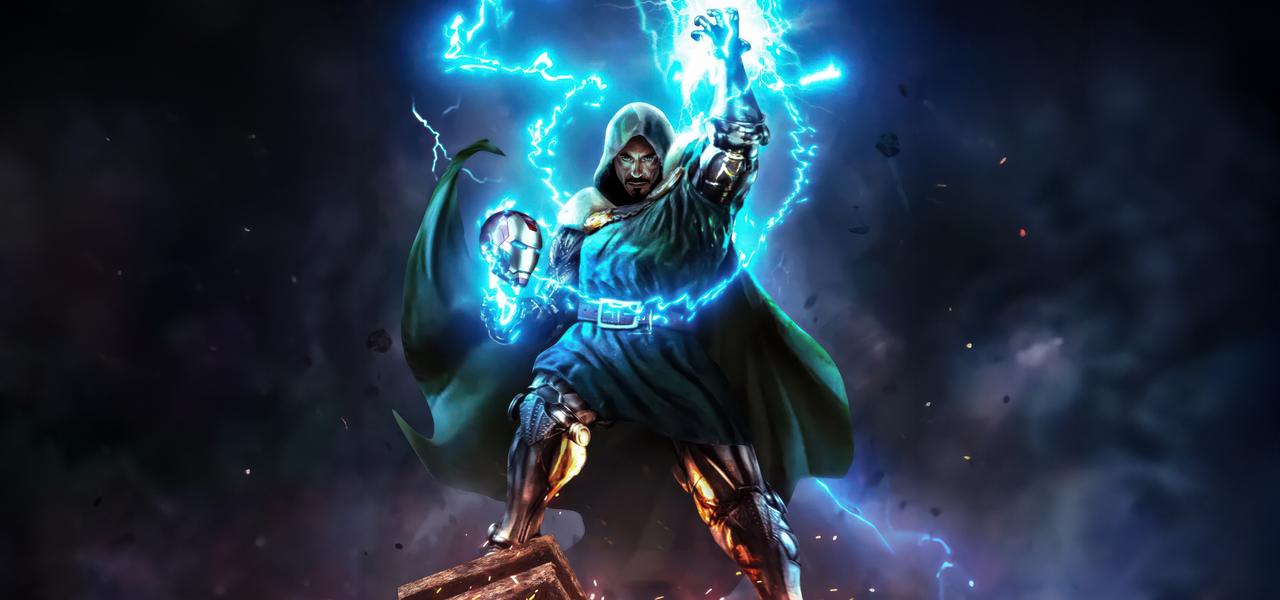
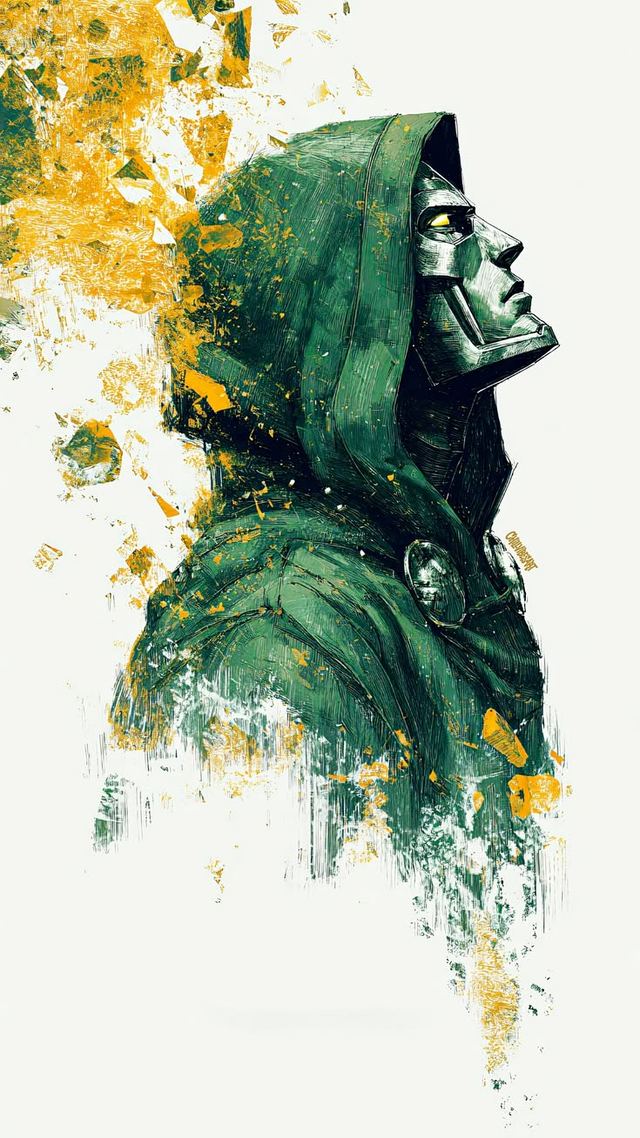
Robert Downey Jr. is confirmed to play Doctor Doom in Avengers: Doomsday, arriving 18 December 2026, with a returning role locked in for Avengers: Secret Wars a year later. Doomsday itself is built around heroes pulled from three distinct universes on a collision course, which is, functionally, an incursion given a marketing pitch even before the word gets used out loud.
Multiverse of Madness only ever showed the aftermath of a single incursion, one dead universe glimpsed for a few minutes of screen time. Doomsday, by definition, is dealing with at least three universes forced into the same space at once. If the mechanism behind that collision turns out to be dreamwalking, boundary-thinning, or some combination the films have not shown yet, the destruction implied by three worlds crashing together would dwarf anything Multiverse of Madness put on screen. That scale is exactly why the question of who caused it matters as much as the collision itself.
The Honest Counter-Argument: He's Not Confirmed for This At All
Here is the part a fair theory has to include, stated plainly: Doctor Strange is not confirmed for Avengers: Doomsday. He does not appear on the roughly thirty names Marvel Studios has actually confirmed for the film's ensemble, and nothing above should be read as pretending otherwise. The Darkhold, dreamwalking, and the Earth-838 execution are all real, on-screen MCU canon. Whether Earth-616's Strange ever touches that spell again, whether he is guilty of anything at all, or whether he appears in Doomsday in any capacity, is speculation stacked on top of confirmed material. It is not confirmed material itself.
Other candidates exist, and they deserve the same honesty this theory is asking for itself. Scarlet Witch and America Chavez both have their own confirmed, on-screen ties to multiversal instability, and either could end up carrying just as much weight once Doomsday actually explains its own incursion. Nothing about how incursions have worked so far rules out a cause nobody has met on screen yet, either. This theory is not claiming exclusivity. It is claiming plausibility, built on the deepest evidence trail currently available for any name in this conversation.
For now, the honest answer is the unsatisfying one: watch and find out. Avengers: Doomsday hits theaters on 18 December 2026, and it will be the first real chance to see whether Marvel Studios points the finger at the wizard with the most documented motive in the multiverse, or somewhere else entirely.
Frequently asked
What actually causes an incursion in the MCU?
Did the Darkhold corrupt Strange in Multiverse of Madness?
Is Doctor Strange confirmed to appear in Avengers: Doomsday?
What's the Doctor Strange Incursion cause theory behind Avengers: Doomsday?
What happened to the Stephen Strange on Earth-838?
When does Avengers: Doomsday release?
Characters in this story
Doctor Strange
Stephen Vincent Strange
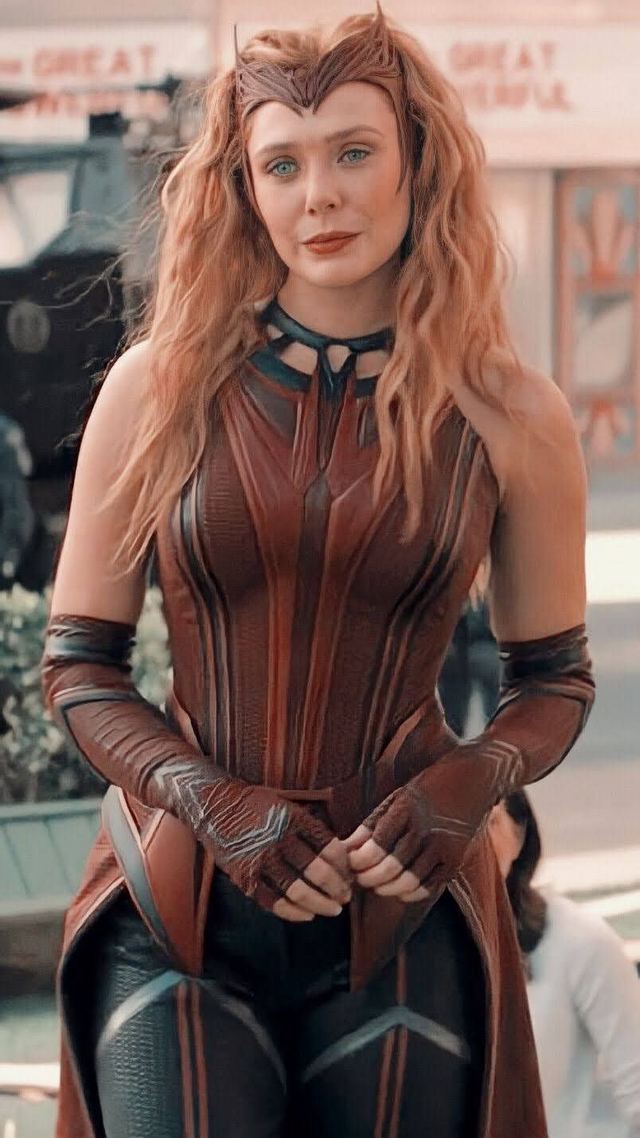
Scarlet Witch
Wanda Maximoff
America Chavez
America Chavez
Doctor Doom
Victor von Doom
Catching up on the MCU? See where this fits on our full timeline.
Read next
Incursions Explained: How Two Universes Kill Each Other in the MCU
The MCU's deadliest mechanic has been on screen since 2022 and most viewers still cannot define it. Here is exactly…
Earth-838 and the Illuminati: The MCU's Most Consequential Ten Minutes
Six heroes, one universe, ten minutes of screen time and a shattered statue nobody explained. A full breakdown of…
'Three Distinct Universes': Decoding the Only Sentence Marvel Has Given Us About Doomsday
Marvel's official logline commits to exactly one structural fact. We take that sentence apart, count the candidate…