Doctor Strange's No Way Home Spell Might Be the One Thread Even Loki Can't Fix
Loki holds the entire multiverse together by hand — except for one interrupted, hand-cast spell he never built. Here's why that gap might matter for Doomsday.
Every Avengers: Doomsday theory about Loki tends to ask the same question: what did Loki gain, or lose, by taking over the multiverse? Here's a different question nobody's asking enough: what did he inherit that he never actually built? Buried inside the timelines Loki now personally holds together sits one spell that was never his to design — cast by a different sorcerer, on Earth, under pressure, and left imperfect even by its own caster's admission. That's Doctor Strange's memory-erasure spell from the end of Spider-Man: No Way Home, and there's a real case it's the one structural weak point in Loki's otherwise coherent multiverse — exactly the kind of seam a villain like Doom would go looking for.
What Actually Happened To That Spell, No Hedging
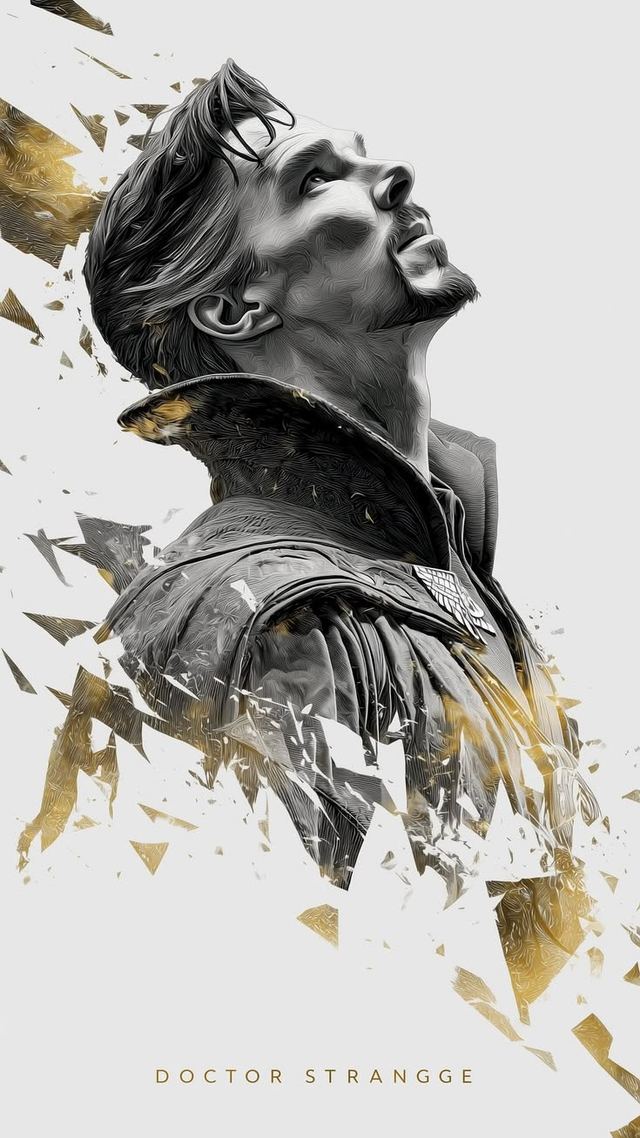
Strip the theory away for a second and look only at what's on screen. Strange agrees to cast a spell making the entire world forget Peter Parker is Spider-Man. Peter interrupts mid-casting, again and again, to carve out exceptions for the people he trusts — MJ, Ned, his aunt. Every interruption destabilizes the spell further, until Strange loses control of it completely and it starts tearing open the multiverse itself, pulling in villains from other Spider-Man realities who have no business being in this one.
Strange eventually wrestles a version of the spell to completion — but the version that finishes is the harshest one available: total erasure, no exceptions, wiping Peter from the memory of literally everyone who has ever known him. MJ and Ned included. Strange himself included. That's not a footnote in the story. That's the film's actual ending, and it's explicit that the spell only 'worked' after failing exactly as it was first attempted — a patch job stacked on top of a botched cast, not a clean piece of magic.
Loki Doesn't Patch. He Holds Structure.
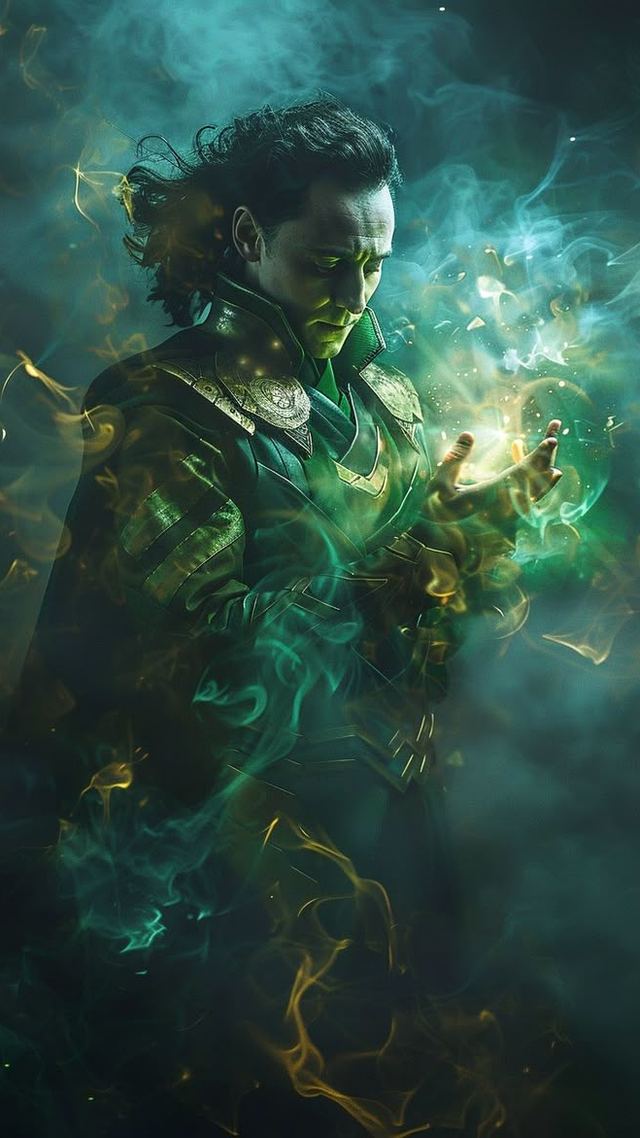
Compare that to what Loki is doing, confirmed, at the end of his own show — see how that ending actually works for the full breakdown. He doesn't cast one spell and walk away. Per this site's own character page, he ends the series 'sitting at the base of Yggdrasil, holding every branching timeline together by hand' as the newly crowned God of Stories, and the show's own FAQ puts it even more plainly: he becomes 'the multiverse's living support structure.' That's architecture, not improvisation — one continuous act of load-bearing magic distributed across every branch that exists, permanently, by design.
The Seam Theory
Here's the leap, and it's ours, not Marvel's: a spell cast by someone else, improvised mid-ritual, interrupted, using Earth-based sorcery rather than Loki's own timeline architecture, doesn't automatically become part of that structure just because it happens to sit inside a branch Loki now oversees. It reads more like foreign material stitched into the fabric — a patch Loki didn't design, wasn't present for, and inherited exactly as imperfect as Strange left it. If Loki's multiverse is a tapestry he wove himself, this one thread was tied in by somebody else's hands, under duress, and never fully matched the weave around it.
That doesn't make Loki bad at his job. It makes this one specific patch the closest thing his multiverse has to a factory defect — not his design, but still his responsibility, and still sitting there.
A god of stories can hold a narrative together. He can't necessarily unpick a plot hole somebody else wrote into the manuscript before he ever picked up the pen.
Why This Is Exactly What A Villain Like Doom Would Want
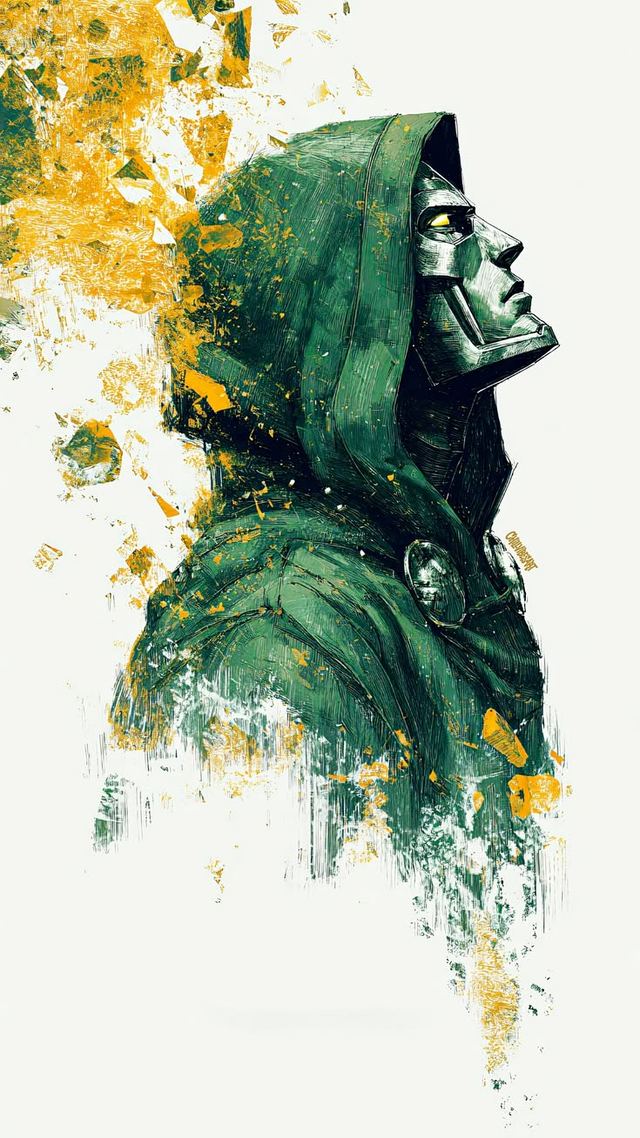
This site's own comparison piece on Doom vs. Thanos vs. Kang makes a specific argument: Doom wins through preparation and being right about the shape of a problem, not through raw power. Avengers: Doomsday's own marketing backs that framing up to a point — Marvel's logline talks about heroes from three universes facing an 'existential threat,' but stops well short of saying what that threat actually is. A villain built around finding the exact right pressure point doesn't need to overpower a multiverse Loki is actively holding together by will. He needs one seam that was never load-bearing to begin with.
That's a different question from whether Doom took Loki's power directly — this theory isn't about a heist or a killing. It's about a villain who doesn't need to fight the god of stories for control of the multiverse at all. He just needs to find the one page Loki never actually wrote.
The Brand New Day Wrinkle
It's worth noting this site has spent today tracking exactly what Peter Parker's life looks like on the other side of that spell — a person the entire world, by design, isn't supposed to remember. Structurally speaking, that ongoing story is set inside the seam this theory is describing: Peter's whole current status quo only exists because the patch held. Whether that thread connects to Avengers: Doomsday in any way is unknown and unconfirmed — but it's the same crack in the same wall, viewed from ground level instead of from the multiverse's structural side.
| Claim | Status |
|---|---|
| Loki personally holds the branching multiverse together after Loki season 2 | Confirmed, on-screen |
| Strange's memory spell was interrupted, imperfect, and completed only by force of will | Confirmed, on-screen |
| That spell now functions as a structural seam inside Loki's multiverse | Theory |
| Doom's Doomsday threat is built around exploiting that seam | Theory |
What Would Confirm Or Kill This Theory
- Confirms it: Avengers: Doomsday gives Doctor Strange a scene where reality specifically frays around Peter Parker's erased identity, rather than around the three-universe collision alone.
- Confirms it: Loki, if he appears at all, is shown reacting to a problem he can't simply out-architect — something that reads as foreign to his own structure.
- Confirms it: marketing or the finished film ties the 'existential threat' language directly to memory, identity, or forgotten people, not only to Earth-828 and X-Men mechanics.
- Kills it: the confirmed three-universe collision plays out with zero connection to Peter Parker, Strange's spell, or anyone's erased memory.
- Kills it: Doom's motivation is explained entirely through his own 'stolen lives' backstory with no room left for a magic-seam mechanic at all.
None of this is proof of anything. It's a reading of two confirmed endings held next to each other, and a bet on what a preparation-obsessed villain does when he finds a gap like that. But if Avengers: Doomsday really is building toward an existential threat, the honest version of this theory is that Marvel already told us, years ago, exactly where one seam in the multiverse's stitching sits. Whether Doom found it is the only part still unwritten.
Frequently asked
Is Doctor Strange's No Way Home spell actually connected to Avengers: Doomsday?
Did Loki really take over holding the multiverse together?
What made Doctor Strange's spell in No Way Home 'imperfect'?
Is this theory saying Loki failed or made a mistake?
Is this the same theory as the one about Doom stealing Loki's power?
Characters in this story
Catching up on the MCU? See where this fits on our full timeline.
Read next
The Darkest Doomsday Theory Yet: Doom Can Only Build Battleworld If He Killed the God of Stories
If Doom really survives the multiverse's collapse and rebuilds it as Battleworld, the power has to come from…
Doom vs Thanos vs Kang: Which Franchise Villain Marvel Actually Got Right
One landed, one collapsed, and one arrives in December. A structural comparison of Marvel's three…
Loki Season 2 Ending Explained: The God Of Stories, The Broken Loom And What Loki Actually Became
Loki does not fix the Temporal Loom. He destroys it and replaces it with himself. Here is what the God of Stories…