Dunesday Is Not Barbenheimer: Why Two Studios Are Walking Into 18 December Refusing to Blink
Avengers: Doomsday and Dune: Part Three share 18 December, Dune has the IMAX screens, and neither studio will move. This is not the friendly double bill of 2023.

On 18 December 2026, Avengers: Doomsday and Dune: Part Three open on the same day, in the same market, at the same holiday hour. The internet has christened it Dunesday, Robert Downey Jr. has joked about whether the two camps will still be friends afterwards, and at least one exhibitor has put it more bluntly: somebody has got to move.
Nobody is moving. And the comparison everyone reaches for — Barbenheimer, the happy accident of 2023 — is the wrong one in almost every respect that matters.
Why Barbenheimer is the wrong comparison
Barbenheimer worked because the two films were opposites. A candy-coloured comedy and a three-hour black-and-white-adjacent history lesson do not compete for a seat; they compete for a Saturday, and the joke was that you could have both. The double feature was a marketing gift neither studio planned.


Doomsday and Dune are not opposites. They are the same film wearing different costumes: enormous, effects-led, franchise-culminating spectacle built for the largest screen a viewer can find, aimed at the same person on the same night. Doom and the Harkonnens are, commercially speaking, chasing an identical ticket. There is no cute portmanteau to be had when both films want the identical 7pm IMAX seat.
There is one more asymmetry worth naming. Barbenheimer's two films had already been made, marketed and dated independently before the internet noticed the joke; the studios simply declined to fight it. Here, both sides have known about the collision for the better part of two years and have spent that time hardening rather than adapting. Whatever December produces, it will not be an accident, and neither studio gets to be surprised by it.
The screens are the whole fight
Which brings us to the part that actually decides this. Dune: Part Three has locked exclusive IMAX and premium large-format screens for a reported three-week run — the format Denis Villeneuve shoots for and the format that turns a Dune ticket into an event purchase. Doomsday, on current arrangements, does not get them.

Exhibitors have not been subtle about what they make of that. One quoted line — that Doomsday not getting the premium screens is insane, it is free money — captures the discomfort neatly. Premium formats are a disproportionate share of opening-weekend gross, and handing an entire category to one film for three weeks is a structural advantage no amount of Marvel goodwill fully cancels.
| Factor | Where it points |
|---|---|
| Date claim | Legendary and Warner Bros. secured 18 December first, back in 2024 |
| Premium screens | Dune holds IMAX and PLF exclusivity for a reported three weeks |
| Franchise ceiling | Avengers — Endgame made $2.8bn; Dune: Part Two made roughly $750m |
| Audience breadth | Avengers is broader; Dune plays unusually well across multiple quadrants |
| Holiday runway | Shared — both need repeat viewings across the school break |
| Collateral | Jumanji 3 opens a week earlier and gets squeezed by both |
The ceiling column is why Disney is relaxed. Even Marvel's disappointments open bigger than most franchises' triumphs, and an Avengers film with this cast has a floor that Dune simply does not. The screens column is why Legendary is relaxed. Both positions are defensible, which is precisely why neither side has blinked.
What each side is actually betting
Disney's bet is that scale beats format. An Avengers film with this roster is the closest thing the industry has to a guaranteed opening, and the studio is wagering that a Marvel audience will take whatever screen is available on day one rather than wait a fortnight for a better one. That is a reasonable read of how superhero openings have behaved for fifteen years — and a slightly nervous one after a 2025 in which no Marvel title cracked the global top ten.
Legendary's bet is the opposite: that format beats scale. Dune's audience is unusually willing to plan around a screen, book ahead, and travel for the right auditorium — behaviour that turns three weeks of exclusivity into something closer to a moat. Add the goodwill Part Two banked and a director whose name genuinely sells tickets, and holding the date starts to look less like bravado than arithmetic.
Both bets can win simultaneously, which is the part the discourse keeps refusing to accept. There is no rule that says a December weekend has one survivor, and the honest historical comparison is not Barbenheimer at all — it is the many Decembers where two enormous films opened close together and both cleared a billion because the month is simply that big. Our earlier look at Marvel's 2027 plans assumes exactly that kind of outcome.
Why neither studio can afford to move
December is not an arbitrary square on the calendar. It is the only month where audiences have a fortnight off, which is the difference between a film people see and a film people see twice. Move to November and you lose the repeat business; move to January and you are releasing a franchise finale into the industry's dead zone. Marvel has already moved this film twice — out of May 2026 and through the Kang rewrite — and a third move would read as retreat.
There is a wider structural point too. Marvel spent the 2010s owning whatever date it pointed at, and rivals cleared the way. That deference has visibly ended, which is arguably the more interesting story here than whichever film wins the weekend — a shift that started with the box-office reality behind the Kang-to-Doom pivot and Marvel's uneven 2025.
The headline is which film wins. The real news is that a rival studio no longer assumes it has to get out of Marvel's way.
And spare a thought for everything else dated near it. Sony's Jumanji sequel opens a week earlier and will be swept off screens by two films that each want every auditorium in the building. That is the underreported cost of a standoff like this one: the damage lands hardest on the mid-budget titles that never picked a fight with anybody, and December becomes a two-film month by force rather than by audience choice.
What to actually watch between now and December
- Whether Marvel secures any premium-format access before release, or negotiates a staggered IMAX handover after Dune's window
- Whether either film shifts by a week — the cheapest face-saving move available to both sides
- Presales, which open the argument for real; everything before that is positioning
- Whether Marvel releases the Hall H footage publicly, and how close to the date it does so
- Jumanji 3's performance a week earlier, which is the first hard read on how much December oxygen exists
For Marvel specifically, there is a longer game underneath the weekend. Doomsday is not a standalone bet — it is the first half of a two-film ending that lands in December 2027, and a soft opening here damages the more important film next year. That dependency is the strongest argument for Disney eventually taking a quiet week's shift, and equally the strongest argument against it: blinking now tells the market that the finale everyone is waiting for arrived without confidence behind it.
Our honest guess: both films clear their studios' internal targets and the discourse invents a loser anyway. Doomsday takes the bigger opening; Dune takes the premium-format money and the better legs into January. If you want the version that makes for a worse headline but a better prediction — December 2026 is going to be an extremely good month for cinemas, and an extremely tiring one for anyone who has to write about which franchise is dying this week.
Frequently asked
Do Avengers: Doomsday and Dune 3 release on the same day?
What is Dunesday?
Which film gets IMAX on 18 December 2026?
Will Avengers: Doomsday move its release date again?
Is Dunesday the same as Barbenheimer?
Characters in this story
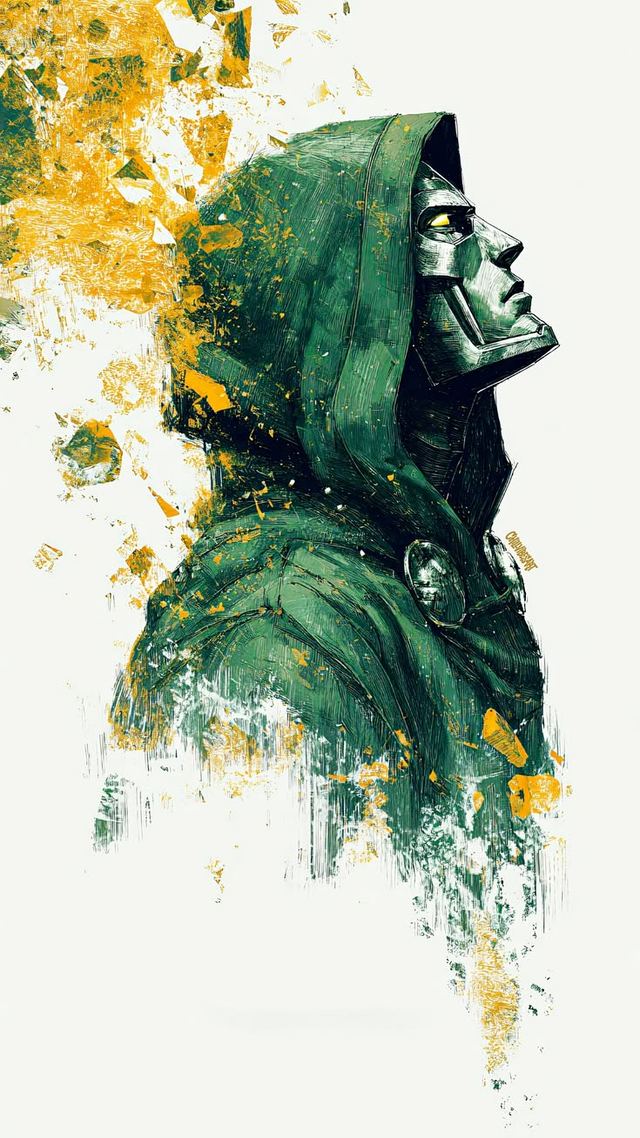
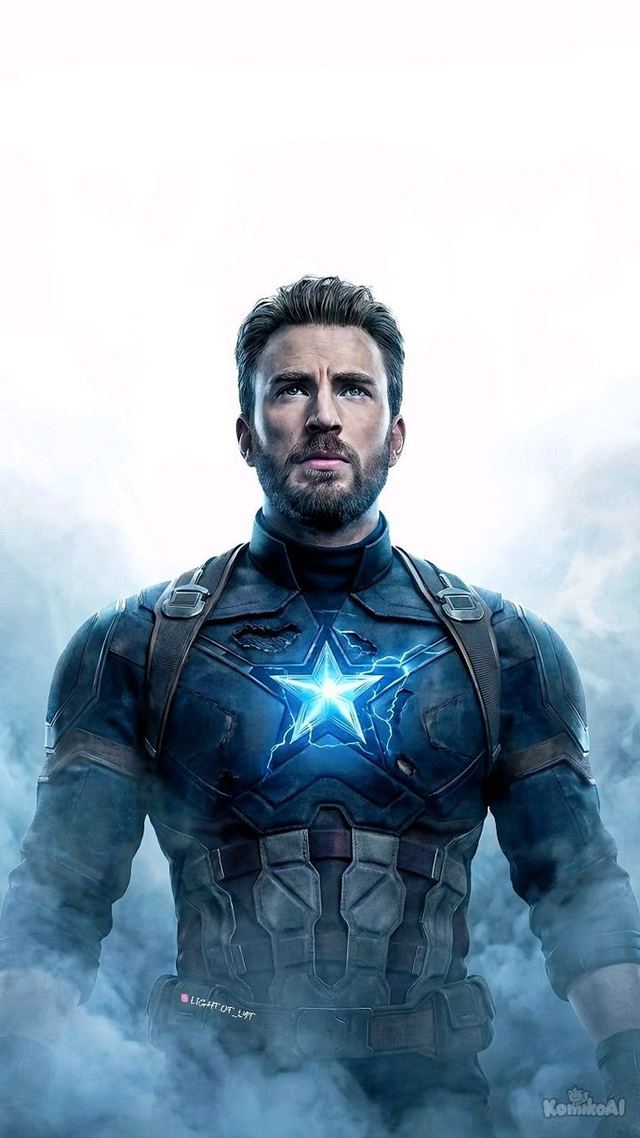
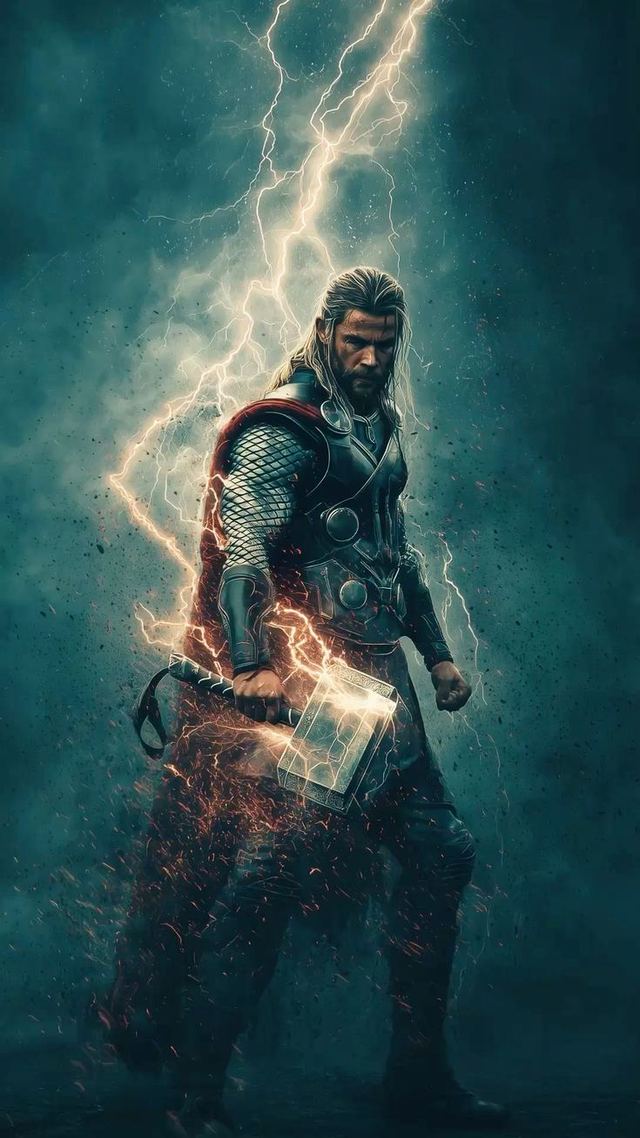
Catching up on the MCU? See where this fits on our full timeline.
Read next

Why Avengers: Doomsday Moved To 18 December - And What The New Date Changes
Doomsday slid from 1 May to 18 December 2026, and Secret Wars moved with it. The reshuffle is not a red flag - it…

What Is Avengers: Doomsday About? The Confirmed Story, Cast And December 2026 Release
Marvel's next Avengers film lands 18 December 2026. Here is exactly what the studio has confirmed about the story…
The Kang-To-Doom Pivot, Explained: What Marvel Actually Threw Away
Marvel built a saga around Kang, then rebuilt it around Doom. This is the documented version of how that happened…